






Brazil's Shocking Early Exit
Imagine the 1992 Dream Team losing in the first round of the Olympics. That’s the scale of what happened to Brazil. The five-time champions, a name synonymous with World Cup brilliance, crashed out in the Round of 16 for the first time since 1990. They
weren't just beaten; they were surgically dismantled by a disciplined and hungry Norway team led by superstar striker Erling Haaland. For 78 minutes, it was a tense, scoreless affair, but then Haaland did what he does best, scoring a brutal brace to send the favorites packing. The collapse was a crisis of identity. With an aging squad and a reliance on past glory, Brazil looked like a team that believed its own hype. They missed an early penalty and squandered countless chances, playing with a strange mix of arrogance and panic. It was a complete system failure, a reminder that in sports, a great name doesn't guarantee a great performance.
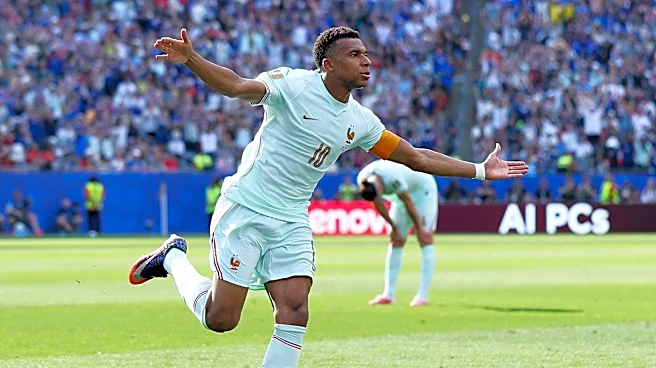
The French Implosion
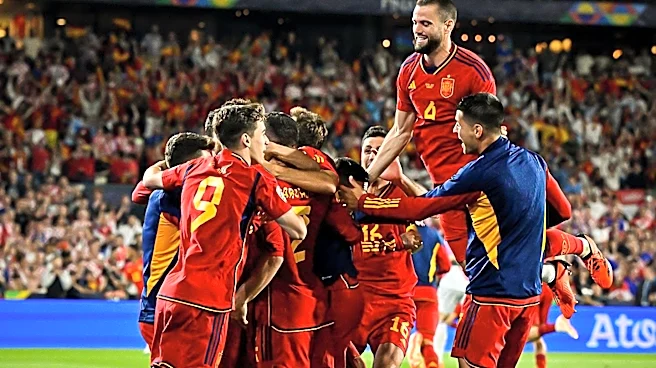
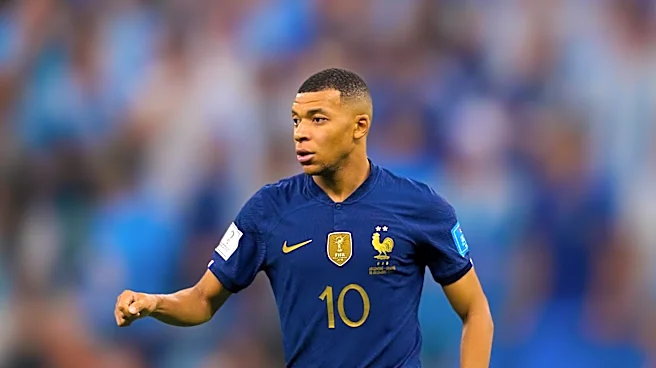
France arrived at the World Cup as a co-favorite, a super-team built around Kylian Mbappé, arguably the best player on the planet. Think of an NBA squad with multiple MVP-caliber players. Their semi-final against Spain was supposed to be a heavyweight clash, but it turned into a public dissection. France lost 2-0 in a game where they were not just beaten, but completely neutralized. The French attack, featuring stars like Mbappé and Ousmane Dembélé, was rendered silent and ineffective by Spain's disciplined defense and midfield dominance. The team lacked chemistry, their stars seemed isolated, and their performance was described by the French press with words like "collapse" and "lackluster." For American fans, this is the classic "super-team failure." It’s the 2004 Lakers all over again—a collection of brilliant individuals who failed to play as a team when the pressure was highest, leaving fans and pundits to ask how so much talent could produce such a disappointing result.
England's Familiar Heartbreak
No one does agonizing defeat quite like England. For U.S. fans, think of the pre-2004 Boston Red Sox or the pre-2016 Chicago Cubs—a team defined by decades of close calls and soul-crushing hope. In the semi-final against Argentina, England did it again. They took a 1-0 lead in the second half, and for a glorious 30 minutes, it looked like they might finally make it back to a men's World Cup final for the first time since 1966. But then, the collapse came. Instead of pushing for a second goal, they went into a defensive shell, a cautious approach that has cost them before. Argentina, led by the legendary Lionel Messi, smelled blood. They launched wave after wave of attacks, scoring two goals in the final minutes to steal the victory 2-1. The English players were left stunned, hands on hips, as another golden opportunity slipped away. It was a textbook choke, a team retreating into its worst habits at the worst possible moment, proving once again that in sports, playing not to lose is often a guaranteed way to do just that.