







The Devil's Footprint in the Cathedral
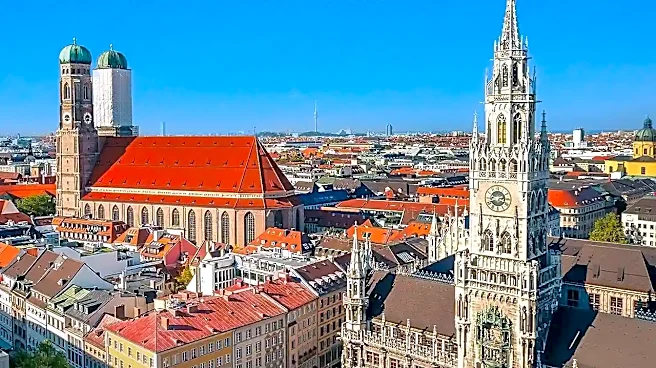
Just inside the entrance of Munich’s towering Frauenkirche, or Cathedral of Our Dear Lady, you’ll find something you wouldn’t expect in a house of worship: the Devil’s footprint. According to local legend, when the cathedral was built in the 15th century,
the architect, Jörg von Halsbach, was short on funds. He made a deal with the Devil himself: the Devil would finance the construction on the condition that the church be a celebration of darkness, containing no windows. The architect agreed. When the magnificent building was finished, the Devil strode into the vestibule to inspect the work. From that specific spot, he could see no windows and, delighted at having claimed a house for his own, he stamped his foot in triumph, leaving a black footprint embedded in the stone floor. But as he took another step forward, he realized he’d been tricked. The architect had cleverly used massive columns to obscure the nave’s beautiful stained-glass windows from the entrance view. Furious, the Devil transformed into a great wind, which is said to howl around the church’s towers to this day, still trying to knock the building down. Today, visitors can stand in that same footprint and see the optical illusion for themselves, connecting with a piece of folklore that has been told for centuries.
The Alley of Quiet Resistance
A few blocks away from the cathedral, a narrow, unassuming alleyway called Viscardigasse holds a powerful story of civic courage. During the Nazi regime in the 1930s and 40s, a memorial was erected on the nearby Odeonsplatz to honor the Nazis killed during the 1923 Beer Hall Putsch. An SS honor guard stood watch day and night, and every person who passed was required to give the rigid Hitler salute. Many Munich residents who opposed the regime, but could not risk open dissent, found a way to avoid this forced gesture. They would take a detour through the small Viscardigasse, which runs behind the memorial. This act of passive resistance earned the street its local nickname: Drückebergergasse, or “Shirker’s Alley.” It was a small but significant way for ordinary citizens to register their disapproval without facing immediate arrest. Today, this quiet act of defiance is commemorated by a shimmering trail of bronze cobblestones that winds through the alley, tracing the path of those who chose not to salute. Most tourists walk right by, but for those who know the story, it’s a moving testament to everyday bravery.
The Lions That Bring Good Fortune
Munich's Residenz, the sprawling former palace of Bavarian royalty, is guarded by four bronze lion statues. While impressive in their own right, it’s a small, polished detail on them that captures a local tradition. Look closely at the shields held by the lions, and you'll notice that the noses of the small lions depicted on the shields are worn to a brilliant, shiny gold, a stark contrast to the darker patina of the rest of the statues. For generations, Munich residents have believed that rubbing the noses of these little lions brings good luck and wealth. It's a simple, hopeful gesture that has been performed by countless passersby over the years. You'll see locals and informed visitors alike reach out as they walk past to give the noses a quick polish for a bit of fortune. It’s a perfect example of a living tradition hiding in plain sight—a small piece of interactive magic in the heart of the historic city. Unlike grand monuments, this detail invites participation and offers a charming connection to the city's more whimsical side, reminding you that sometimes the most memorable parts of a place are the small, superstitious rituals that give it character.