


The Character We Know and Love
When you picture Diane Nguyen, a specific image comes to mind: the simple blue top, the iconic green jacket, the dark-rimmed glasses, and a posture that often blends deep thought with social anxiety. Voiced by Alison Brie, Diane served as the audience’s
primary human surrogate in the absurdist world of Hollywoo, a city where anthropomorphic animals and people coexist. She was the third-wave feminist writer, the moral compass, and the ghostwriter hired to excavate the truth from the self-destructive celebrity horse at the show's center. Often called an "Asian Daria," her character was defined by her intelligence, her idealism, and her deep-seated insecurities, which stemmed from a difficult upbringing in a critical family. This final version of Diane felt real, flawed, and relatable—the perfect foil to BoJack’s larger-than-life narcissism.
The Original 'Cool Girl' Concepts
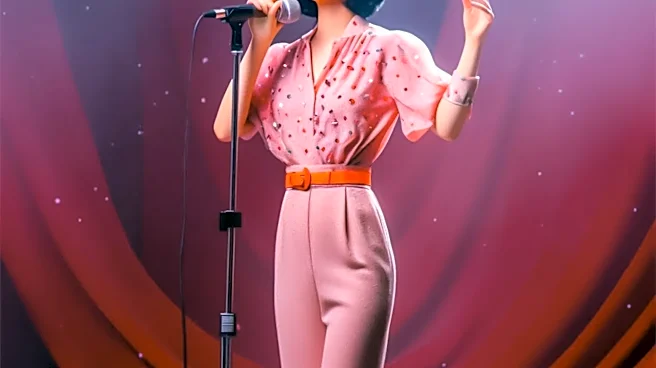
It’s hard to imagine Diane any other way, but according to concept art released in the book “The Art of BoJack Horseman,” she almost looked completely different. The initial sketches by production designer Lisa Hanawalt explored several alternate versions, many of which leaned into a more stereotypically “cool” or “stylish” aesthetic. Some early designs show Diane with different, more fashionable hairstyles, trendier outfits, and an overall air of confidence that feels miles away from the character we know. These concepts depicted less of an anxious intellectual and more of a conventionally chic writer who would fit right in at a Hollywoo party without an ounce of self-doubt. These early Dianes looked like the kind of effortlessly cool character other people aspire to be, rather than the deeply analytical and often-overwhelmed person she became.
A Conscious Move Away from Tropes
The shift away from these initial designs was a deliberate and crucial creative choice. “BoJack Horseman” built its legacy on subverting television tropes, and presenting Diane as a flawless “cool girl” would have been playing directly into one. The show’s creators, Raphael Bob-Waksberg and Lisa Hanawalt, were more interested in deconstructing archetypes than reinforcing them. A Diane who was visually perfect and effortlessly confident would have undermined her role as a critical outsider. Her eventual design—plainer, more practical, and less overtly stylized—served a vital narrative purpose. It made her an everywoman, preventing viewers from putting her on a pedestal. Her appearance became a neutral canvas, allowing her complex personality, her sharp intellect, and her internal struggles to define her. She wasn't there to be an object of aspiration; she was there to observe, to think, and to feel.
Why The Final Design Was Essential
The genius of Diane’s final, more subdued design is how it supported the profound, messy arc her character would follow. Over six seasons, Diane grappled with a failing marriage, crippling writer's block, clinical depression, and the difficult process of reconciling her ideals with the world’s harsh realities. A character who looked like she had it all figured out would have created a jarring dissonance with these deeply human struggles. Her simpler appearance made her journey more believable and resonant. We weren’t distracted by her fashion; we were focused on her fight to write a meaningful book, her decision to start taking antidepressants, and her eventual discovery that happiness doesn’t have to be earned through suffering. The design allowed her to be a vessel for some of the show's most poignant themes, proving that the most compelling characters aren't the ones who look perfect, but the ones who feel real.