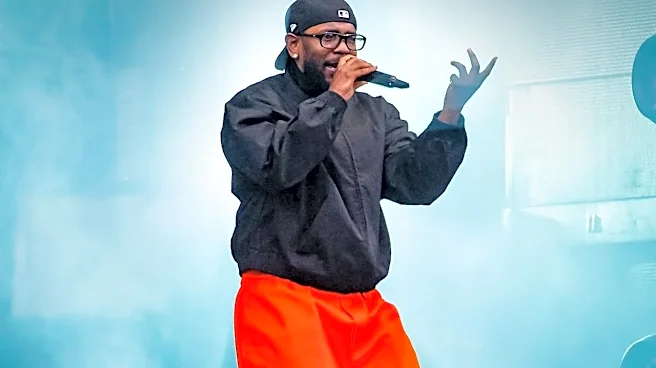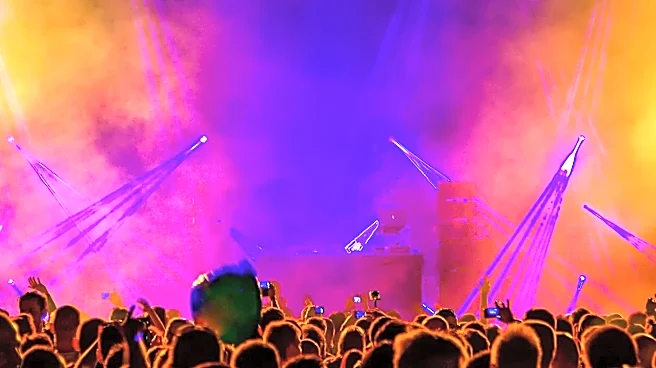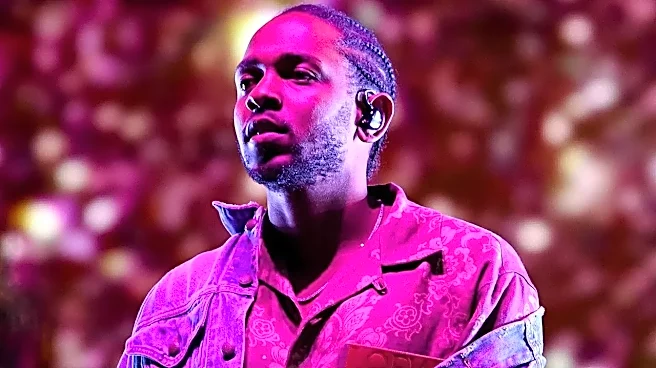

The Festival Effect Is Real—and Quantifiable
It’s not just your imagination. The urge to dive back into a band’s discography after seeing them live is a measurable phenomenon. According to data from the music analytics firm Luminate, a live music event
generates a median increase of 42% in an artist's on-demand audio streams in that local market during the week of the show. This “festival effect” is a powerful engine for consumption. Fans prepping for the weekend create playlists, re-familiarizing themselves with the lineup. Afterward, still buzzing from the performance, they return to those same songs, deepening the connection. For a festival like ACL, which draws hundreds of thousands of fans over two weekends, that surge represents a significant and predictable boost in royalties for artists on the bill. It's a direct line from stage presence to streaming profit.
From Austin to the World Via Livestream
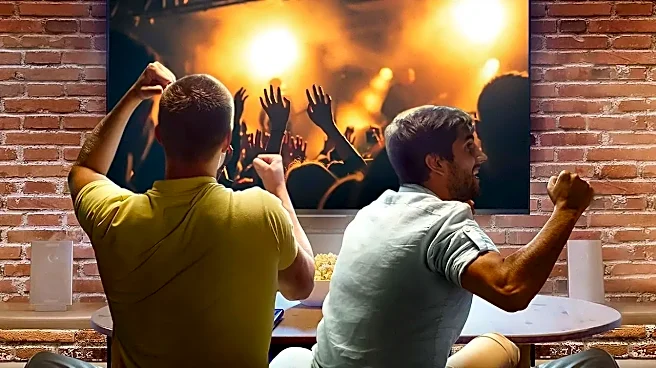
The 42% local bump is only part of the story. The modern music festival is no longer a geographically contained event. Thanks to major streaming partnerships, a performance at ACL Fest is now a global media broadcast. Hulu and Disney+ now livestream ACL, Bonnaroo, and Lollapalooza to an international audience, turning a crowd of 75,000 into a virtual audience of millions. This transforms a single performance into a massive marketing opportunity. A viewer in another country who has never heard of a legacy act can discover them in real-time, instantly pulling up their catalog on Spotify or Apple Music. This digital expansion means the festival's promotional power isn't just limited to ticket holders; it extends to anyone with a subscription, creating discovery on a scale that was previously unimaginable.
The New Bridge to a Younger Generation
For legacy artists—or “catalog acts” as the industry calls them—this dynamic is particularly transformative. In an era dominated by TikTok trends and algorithm-driven discovery, breaking through to a younger audience can be a major challenge. Festivals provide a unique solution. Lineups that place a 90s rock band next to a current pop sensation create a powerful cross-pollination effect. Gen Z, now the biggest spenders on live music, attend festivals with an open mind, ready to be impressed by the energy of a live show, regardless of the artist’s vintage. A killer set from a band that was topping charts before they were born can convert them into new fans who then stream, share, and post about the music, giving it a second life with a new generation. It’s word-of-mouth marketing supercharged by the festival environment.
A Perfectly Symbiotic Relationship
This streaming afterlife isn't a happy accident; it’s the result of a perfectly symbiotic relationship. Festivals like ACL need established, multi-generational acts to anchor their lineups and justify premium ticket prices to an older demographic with more disposable income. These dependable 'heritage acts' are reliable crowd-pleasers. In return, these same artists gain something far more valuable than a performance fee: renewed relevance. A headlining slot at a major festival is one of the few remaining monocultural moments capable of cutting through the noise. It introduces their catalog to a new audience, juices their streaming numbers, and can even trigger interest from music supervisors for placements in film and TV. In the streaming economy, where attention is currency, a festival stage is one of the best investments a legacy artist can make.