





In sewing, stitch length is a secret weapon. This simple setting on your machine can dramatically alter the look, feel, and durability of a garment, transforming it from homemade to high-end. It's not a one-size-fits-all detail, either.
The Golden Rule of Stitching
Before diving into
specific fabrics, it's essential to understand what the stitch length setting—usually a number from 0 to 5 on your machine—actually does. The number refers to the length of a single stitch in millimeters. A setting of 2.5 means each stitch is 2.5mm long. A higher number creates a longer stitch with more space between each needle punch, while a lower number produces shorter, denser stitches. The default setting on many machines is around 2.5mm, which works well for medium-weight cottons, but using this for every project is a missed opportunity. The right length depends on fabric weight, texture, and the seam's purpose, affecting everything from strength to style. Shorter stitches are generally stronger but can sometimes damage fabric, while longer stitches are more visible and decorative but can be weaker if used incorrectly.
Leather: Long Stitches for Strength
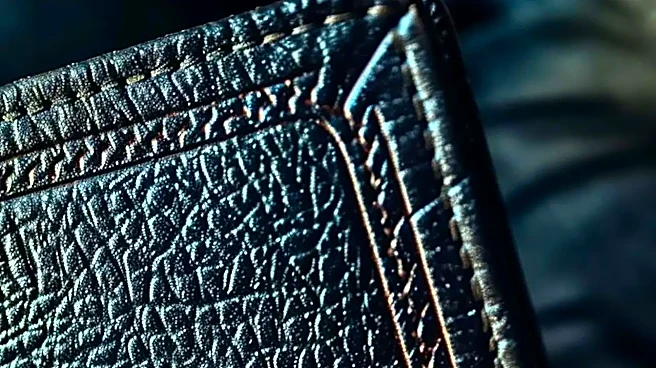
Unlike woven fabrics, leather does not heal itself. Every time a needle passes through it, a permanent hole is created. This is the most important factor when choosing a stitch length. If your stitches are too short and close together, you are essentially creating a perforated line—like the tear-off edge of a ticket stub. This weakens the material significantly and makes the seam prone to tearing under stress. For this reason, a longer stitch length is non-negotiable for leather. For general construction, a length of 3mm to 4mm is a good starting point. For heavy-duty projects or thick hides, you might even go up to 5mm or 6mm. This reduces the number of holes, preserving the leather's integrity and creating a strong, durable seam that also looks clean and professional.
Denim: A Tale of Two Stitches
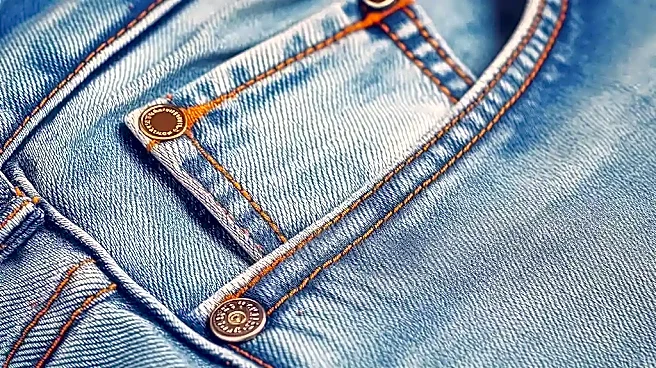
Denim is a workhorse fabric built for durability, and its stitching needs to match. When it comes to denim, stitch length often serves two different purposes: construction and decoration. For the structural seams that hold a pair of jeans together, a medium-long stitch length of around 2.8mm to 3.5mm provides the necessary strength to withstand daily wear and tear. However, the real character of denim comes from its topstitching—the iconic gold or copper-colored stitches on pockets, yokes, and hems. For topstitching, a longer stitch length of 3.5mm to 4mm is almost always used. This longer stitch has more visual impact, especially when using the thick topstitching thread that is a hallmark of classic jeans. It creates a bold, clean line that stands out against the rugged twill fabric.
Silk: Short and Sweet to Prevent Puckering
At the opposite end of the spectrum is silk, a fabric known for its delicate, slippery nature. Sewing silk presents a unique challenge: its fine threads are prone to puckering and pulling. Puckering happens when the fabric gathers under the stitches, creating a bumpy, unprofessional-looking seam. One of the main culprits behind puckering is a stitch length that is too long. For lightweight and delicate silks like chiffon or charmeuse, a shorter stitch length of 1.5mm to 2mm is recommended. These shorter stitches hold the fine fabric securely and prevent it from shifting or pulling apart between stitches. For slightly heavier silks, you can go up to 2.5mm. Paired with a fine needle and proper thread tension, a short stitch is the key to achieving the flat, fluid seams that allow silk's natural drape to shine.