






The Thrill of the Hunt
Before algorithms told you what to watch next, finding a movie was an adventure. A trip to the video store was a physical act of discovery. You walked through aisles, picking up boxes, reading the often-misleading summaries on the back, and judging a film
by its cover art. This wasn't passive consumption; it was an active pursuit. The selection was finite—what you saw on the shelf was what you got. Grabbing the last copy of a new release felt like a genuine victory. The journey from the store to the living room was part of the experience, building anticipation in a way a simple click never can. The rental process itself, from the membership card to the due date, added a sense of occasion and responsibility. You didn't just choose a movie; you made a commitment to it for the next 24 or 48 hours.
Freedom in Limitation
Today’s streaming menus present a classic paradox of choice. With thousands of options, the pressure to pick the “perfect” movie can lead to endless scrolling and decision fatigue. The video store, by contrast, offered freedom through its limitations. In the 1990s, a well-stocked Blockbuster might have had around 8,000 titles, a huge number at the time but a mere fraction of what a single streaming service offers today. This limited selection forced a decision. You and your friends or family had to debate, compromise, and ultimately unite behind a single choice. That process was inherently social. The movie wasn't for you—it was for us. Once the choice was made, there was no turning back, no endlessly sampling trailers. You were all in it together, for better or for worse.
A Communal Screen, Not Personalized Feeds
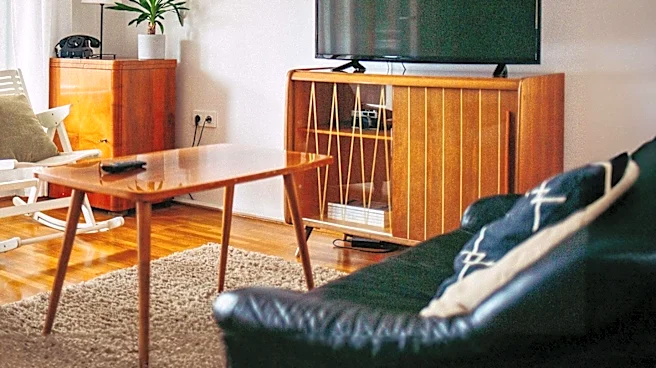
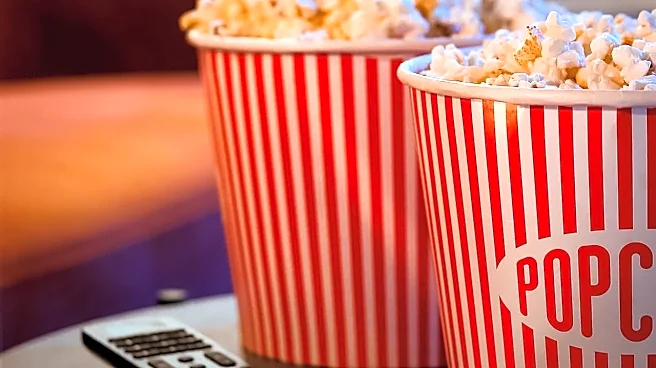
The DVD era centered the social experience around a single screen. Everyone gathered in the same room, focused on the same story, sharing the same moments of shock, laughter, or suspense. The pizza wasn't just food; it was a prop in a shared event. This communal viewing fostered conversation and connection. Debates over plot points happened in real-time, not in a comment section days later. This contrasts sharply with the modern media landscape, where even people in the same house might be watching different content on personal devices. Streaming algorithms are designed to create a tailored experience for each individual user, which can inadvertently lead to more isolated viewing habits. The DVD forced a shared consensus that streaming has made optional.
The Weight of Physical Media
There was a tangible weight to movie night in the DVD era. The disc itself was a physical object. You took it out of its case, placed it in the player, and navigated the often-clunky menu screens. The movie didn’t just appear; it had to be loaded. This small bit of friction added to the sense that you were about to watch something deliberate. The film felt less like disposable content and more like a specific, chosen piece of entertainment. Even the special features—the director’s commentary, the behind-the-scenes featurettes—were curated additions to this single package, a far cry from the auto-playing next episode that pushes you immediately onward. Owning a DVD collection meant building a physical library, a curated reflection of your taste that you could hold and share.