



Genre Gets a Global Makeover
One of the most vibrant trends emerging from the 2026 festival is the sheer creative energy being poured into genre filmmaking from around the world. Forget Hollywood's monopoly on horror, thrillers, and sci-fi; London's lineup shows that some of the most innovative
work is happening elsewhere. The festival is packed with darkly comic thrillers and horror films that subvert expectations. Look at 'The Face of Horror,' which adapts a classic Japanese ghost story into a medieval English revenge fable, or 'Bunker,' a Spanish-language thriller starring Penélope Cruz and Javier Bardem that tackles class anxiety through the lens of apocalypse-proofing billionaires. These films aren't just mimicking American formulas. They are using the familiar language of genre to explore specific cultural anxieties, from political conspiracies on Easter Island in Martin McDonagh's 'Wild Horse Nine' to the dark side of Silicon Valley in Luca Guadagnino's 'Artificial'.
Star Power Meets High-Concept Ideas
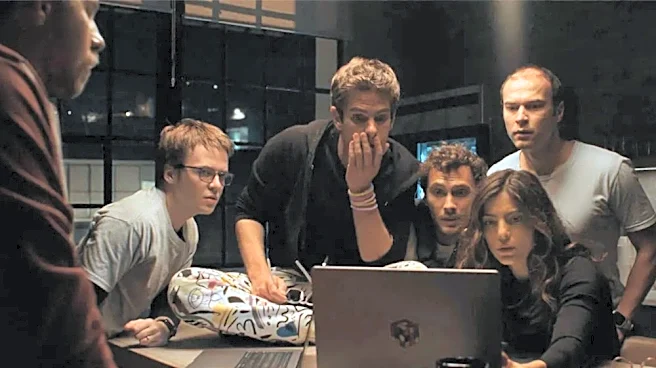
It’s clear that major stars are increasingly drawn to complex, idea-driven projects that challenge audiences. The LFF slate is loaded with examples. Andrew Garfield stars as OpenAI co-founder Sam Altman in the tech thriller 'Artificial,' while Robert Pattinson takes on the role of 'To Catch a Predator' host Chris Hansen in the psychological thriller 'Primetime'. This trend extends to international productions, with Javier Bardem and Penélope Cruz teaming up for the topical morality tale 'Bunker'. Big names are also lending their cachet to prestige adaptations, like Cynthia Erivo's captivating lead performance in 'Prima Facie,' a screen version of the acclaimed play about a trial lawyer's shifting perspective on justice. This marriage of A-list talent with ambitious, often morally ambiguous material suggests a global appetite for films that entertain without sacrificing intelligence.
History, Reimagined and Uncensored
Filmmakers are increasingly looking to the past not for dusty reenactments, but for vibrant, sometimes surreal, explorations of historical figures and events. The festival features 'The Idiot(s),' a Polish film about Dostoevsky that uses Buñuelian irony and a subversive attitude toward history to explore the author's life. This approach favors playful narratives and sparkling performances over dry biography. Meanwhile, the festival's sold-out screening of the restored and fully uncensored version of Ken Russell's 1971 masterpiece 'The Devils' speaks volumes. Based on true events in 17th-century France, its themes of systemic corruption and manufactured hysteria feel profoundly current. The renewed interest in this controversial classic signals a desire for bold, confrontational cinema that uses history to comment on the present.
The Rise of the Personal and Political
Beyond big concepts and historical epics, the festival highlights a strong current of deeply personal and politically engaged storytelling. Films like 'Dao' offer a formally inventive meditation on the African diaspora and the meaning of community. Clio Barnard's 'I See Buildings Fall Like Lightning' examines how lifelong bonds among friends are tested by unfulfilled dreams and long-buried secrets. There's also a focus on stories of disability and activism, such as 'Being Heumann,' which chronicles the life of activist Judith Heumann, and 'Zero Intention of Living Quietly,' about actor Adam Pearson's journey with neurofibromatosis. These films represent a move toward authentic representation, where stories from underrepresented communities are told with nuance and specificity, reflecting a broader industry shift toward more inclusive narratives.