



An Art Form Born from Commercials
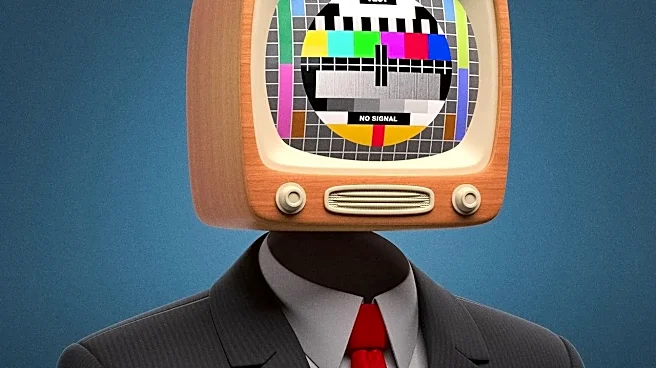
At its core, the act-break cliffhanger is a tool of commercial necessity. Its job is simple: keep you from changing the channel. But in the hands of a horror storyteller, it becomes something more. It’s not just a pause; it’s an instrument of torture.
The structure exploits a basic psychological principle: our brains crave resolution. When a story is interrupted at a moment of peak tension, our minds are left in an unresolved state of anxiety, a phenomenon known as the Zeigarnik effect. While any drama can leave you wondering what happens next, horror makes you question your own safety. The unresolved threat doesn't just live on screen; it moves into the room with you for the next two minutes of a laundry detergent commercial, creating a jarring, unsettling juxtaposition that amplifies the dread.
Pioneers of the Pause
The seeds of this technique were planted long ago. Anthology shows like The Twilight Zone mastered the art of the shocking twist ending, but they also understood the power of the mid-episode pause. Creator Rod Serling used the show's structure to build suspense and explore controversial ideas that network television would have otherwise censored. He realized that a well-placed break could give an audience time to absorb a strange event or a chilling implication, making the final reveal even more powerful. These early forays into serialized dread taught a crucial lesson: the silence between the scenes is as important as the screams within them. They established a grammar of suspense that future generations of horror creators would build upon, turning the commercial break from a simple interruption into a key part of the narrative rhythm.
The Golden Age of Dread
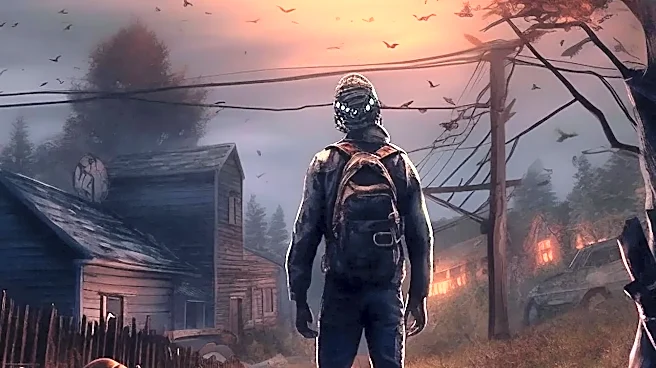
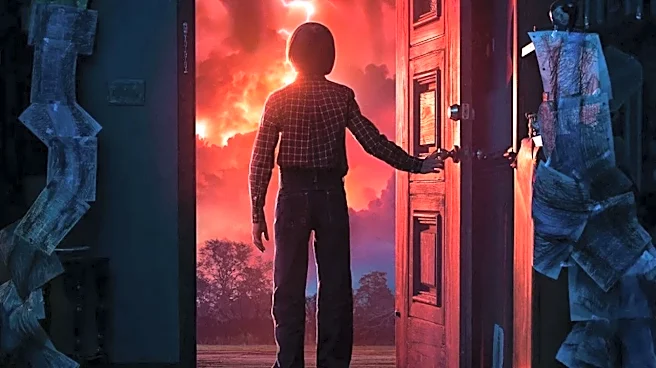
Modern horror television has elevated this technique to a high art. No discussion is complete without mentioning The Walking Dead's infamous Season 6 finale. The arrival of Negan, swinging his bat Lucille, was a masterclass in tension building. As he played a horrifying game of “eeny, meeny, miny, moe” to decide which beloved character would die, audiences were rapt. Then, the screen cut to black, leaving viewers to agonize for months over the victim's identity. While many fans felt the move was manipulative and ultimately damaged their trust in the show, its cultural impact was undeniable. It demonstrated the raw power of the cliffhanger to dominate conversation. More recently, shows like Stranger Things and the works of Mike Flanagan have used cliffhangers not just for shock, but for emotional devastation, leaving viewers hanging on a character's fate or a terrible, world-altering revelation.
Why Horror Does It Best
So why is horror so uniquely suited to perfecting this trope? Because the genre is fundamentally about the loss of control. A cliffhanger is a narrative device that seizes control from the viewer. In other genres, a cliffhanger might pose a question of plot: Will they get away? Will she say yes? In horror, the question is almost always more primal: Will they survive? The threat isn't just about a story outcome; it taps into our deepest fears of the unknown, of darkness, and of mortality itself. The act-break becomes a simulated threat response. For a few minutes, you are left in a state of heightened alert, your fight-or-flight system activated, with no resolution in sight. It’s a moment where the audience shares the vulnerability of the characters, trapped in a state of dreadful anticipation. It's in that shared space of fear and uncertainty that the horror cliffhanger truly achieves its perfection.