






Warmth, Not Coverage
Let’s clear this up first: bronzer is not foundation. Its primary job isn't to cover imperfections or even out your skin tone. The sole purpose of bronzer is to add warmth and dimension, mimicking where the sun would naturally tan your face. Think of it
as adding a healthy, radiant glow. The confusion often starts when people try to use a dark bronzer to create a tan, applying it all over. This approach almost always backfires, leading to an unnatural finish because bronzer lacks the formulation of foundation designed for full-face application.
The Medium Skin Tone Trap
Medium skin tones fall into a unique category. There’s a vast range of undertones—from olive and golden to neutral and red—which makes finding the right shade of any product tricky. Many people with medium skin assume they need a deep, dark bronzer to make a difference, but this often leads to a muddy or overly warm appearance. A bronzer that's too orange or has strong red undertones can clash with the natural undertones in medium skin, creating that dreaded artificial look. Conversely, a bronzer that's too light can look ashy or disappear entirely.
Mistake #1: The All-Over Application
One of the most frequent missteps is applying bronzer across the entire face like a finishing powder. This flattens the complexion by adding uniform color everywhere, rather than creating dimension. The correct technique is strategic. Bronzer should be applied to the high points of the face where the sun would naturally hit. This includes the top of the forehead, the bridge of the nose, the cheekbones, and a light dusting on the chin. This placement creates a natural-looking warmth and helps to gently sculpt the face without the harshness of a contour product.
Mistake #2: Confusing Bronzer with Contour
This is a big one. While they might look similar in the pan, bronzer and contour products have different jobs. Contour products are typically cool-toned and matte to create the illusion of shadows, effectively sculpting and defining your features. Bronzers are warmer, designed to make the skin look sun-kissed. Using a warm, shimmery bronzer in the hollows of your cheeks—where contour would go—can look unnatural because shadows aren't warm or sparkly. For medium skin, using a bronzer to contour can easily result in orange-looking stripes instead of defined cheekbones.
Finding Your Perfect Match
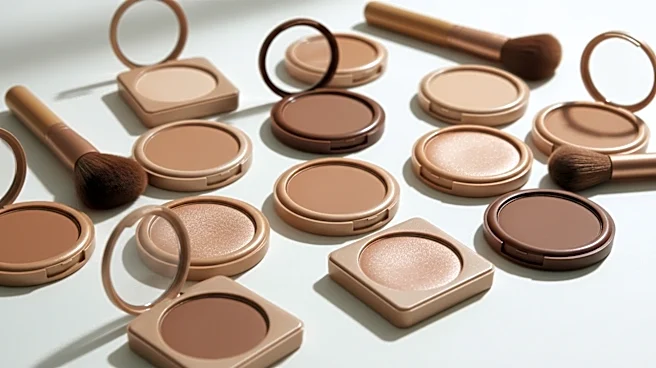
For medium skin, the rule of thumb is to choose a bronzer one to two shades darker than your natural skin tone. Look for shades described as golden or amber, as these tend to be flattering. A matte or satin finish is often more versatile and natural-looking than a heavy shimmer, which can emphasize texture. When you test a shade, don't just swatch it on your hand. Apply it to your jawline and check it in natural light to see how it truly complements your undertones. And remember, it's always easier to build up color slowly than to take away too much, so start with a light hand and a fluffy brush.