






It's All About Character
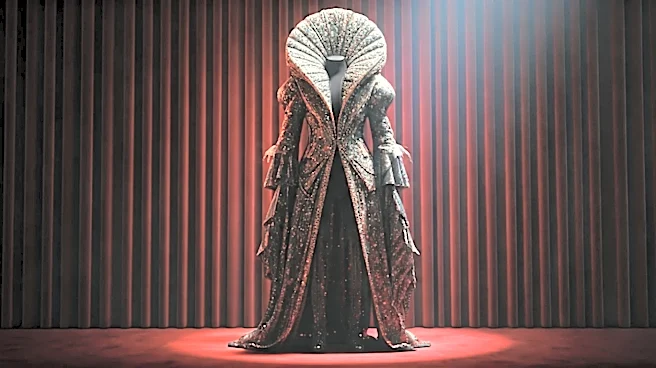
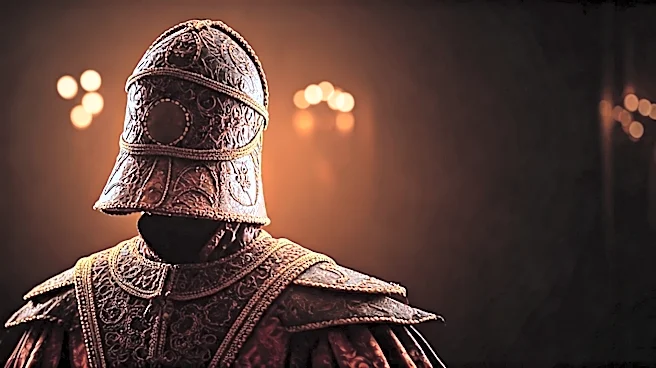
On Broadway, a costume’s first job is to communicate character in a split second. The audience in the last row of the mezzanine needs to know if someone is a villain, a hero, or a comic fool just by their silhouette. That same logic applies to the Tonys
red carpet. Hollywood stars often opt for timeless elegance or the 'It' designer of the moment. Broadway performers, however, frequently use their red carpet look to extend the story of their performance or solidify their personal brand within the theater community.Think of a performer nominated for playing a historical queen. Their gown might not be a literal period piece, but it could feature a dramatic neckline, a regal color palette, or an architectural structure that evokes royalty. Billy Porter, a master of this, consistently used red carpets to create performance art that challenged conventions, a direct extension of his theatrical roots. His looks aren't just outfits; they're entrances. It's character work, translated from the stage to the step-and-repeat.
Built for Movement and Drama
A Broadway costume is not a static object. It has to survive eight shows a week of dancing, fighting, falling, and frantic quick changes backstage. It must be an actor’s partner, not their prison. This deeply ingrained understanding of physicality shapes how theater people approach formalwear. While a film actor might tolerate a painfully restrictive dress for a few hours, a stage performer’s muscle memory is tuned to movement.This is why you see so many grand, flowing capes, voluminous skirts that swish with purpose, and impeccably tailored suits that allow for a full range of motion. These aren't just dramatic flourishes; they're practical choices born from a career spent in motion. A Broadway actor knows how a piece of fabric will catch the light when they turn, how a long train can be manipulated for a powerful pose. Their body is their instrument, and their red carpet attire is simply an extension of that, designed to create a moment, not just be photographed in one.
Reading from the Balcony
Subtlety can be lost on a Broadway stage. A costume detail needs to “read” from 50 or 100 feet away. This principle—designing for distance—explains the theater community’s love for bold color, exaggerated silhouettes, and high-impact textures. While the film world’s red carpet can be a sea of tasteful neutrals and delicate beading best appreciated up close, the Tonys carpet often pops with jewel tones, graphic patterns, and sculptural elements that command attention from any distance.This isn't a lack of sophistication; it's a different aesthetic priority. The goal is not just to look good, but to make an impression, to be memorable. A sharply angled shoulder, a cascade of vibrant ruffles, or the sheen of a rich velvet are all tools from the costume designer’s kit. They understand how to use clothes to occupy space and create a powerful visual statement, a skill honed by designing for the proscenium arch.
A Tribute to the Craft
Finally, the Tonys red carpet is a family affair. More than any other awards show, it is deeply intertwined with the artisans who make the magic happen. It’s not uncommon for an actor to walk the carpet with their show’s costume designer or to explicitly wear a look created by a designer known for their theatrical work. This turns the fashion choice into a collaborative statement and a tribute to the craft itself.This makes the event feel less like a competition of brands and more like a celebration of creativity. The question isn't just “Who are you wearing?” but “What story are you telling with this look?” It’s a nod to the fact that on Broadway, the person in the spotlight is supported by a village of unseen artists. By bringing costume logic to the red carpet, the stars of Broadway ensure that even on their biggest night of glamour, they never forget where they came from.