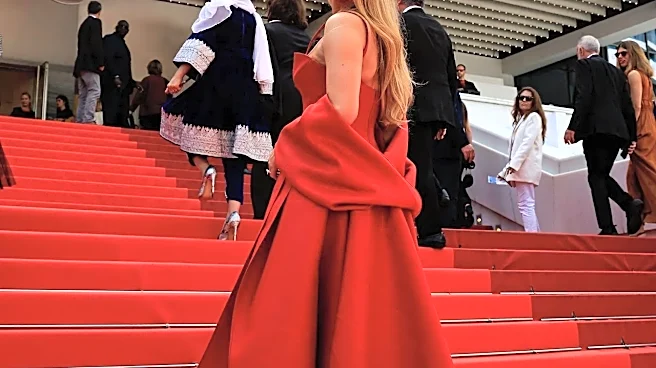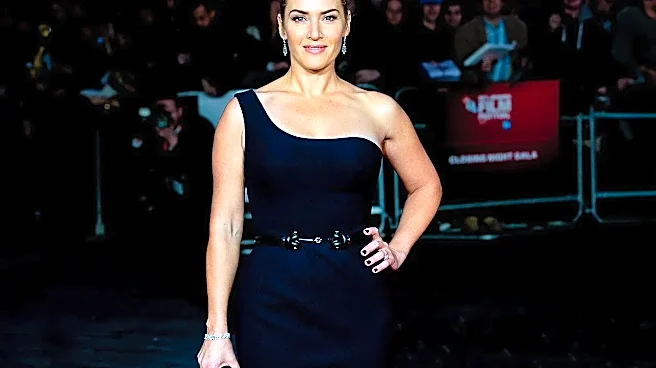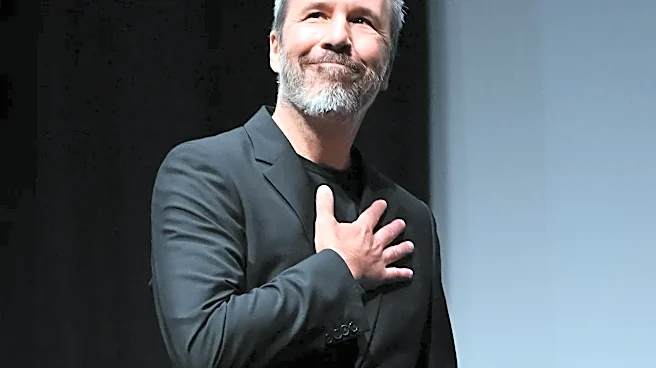




The old logic was simple: attach a big name, sell more tickets. But at the BFI London Film Festival, a different story is unfolding. Audiences are flocking to films with bold ideas and fresh voices, proving originality is the new spectacle.
The Festival Bubble Effect
First, it's
essential to understand that a festival audience isn't your typical Friday night multiplex crowd. Attendees at an event like the BFI London Film Festival are actively seeking discovery. They are cinephiles, critics, and adventurous viewers who pride themselves on finding the 'next big thing'. For them, the thrill isn't just seeing a familiar face; it's about being the first to witness a groundbreaking debut or an unexpected masterpiece from a director they've never heard of. This self-selecting group arrives ready to engage with challenging narratives, unconventional styles, and films that demand attention. They don't need a household name to convince them to buy a ticket; the festival's curation and the promise of a unique cinematic experience are the primary draws.
A New Definition of 'Event' Film
In an era of endless streaming options, the very concept of an 'event' film is changing. It's no longer just about a massive budget or a star-studded cast. Increasingly, the event is the vision itself. Reviews from this year's festival highlight this shift, with immense buzz surrounding films like 'Supporting Role,' a Georgian epic about an actor's comeback, and 'All of a Sudden,' a dialogue-heavy Japanese-French drama. These films don't feature Hollywood A-listers, but they offer something just as valuable: a singular, immersive world created by a director with a powerful point of view. Audiences are signaling that in a crowded media landscape, a distinctive voice that feels urgent and new is a bigger spectacle than a familiar celebrity going through the motions.
Authenticity Is the Ultimate Draw
There's a growing appetite for stories that feel genuine and culturally specific. This year’s program is packed with international films that dive deep into their unique settings, from a Pakistani family drama in 'Lali' to a moving American road trip in 'Hot Water'. These films resonate precisely because they aren't trying to be universally palatable in a generic, Hollywood sense. Instead, their power comes from their specificity. Film festival programmers have noted this trend, celebrating an increase in 'inspiring, inventive and distinctive filmmaking'. Audiences, in turn, are rewarding this authenticity with sold-out screenings and glowing word-of-mouth, proving that a story well-told needs no translation, even without a global superstar to anchor it.
Stars Aren't Gone, Their Role Has Evolved
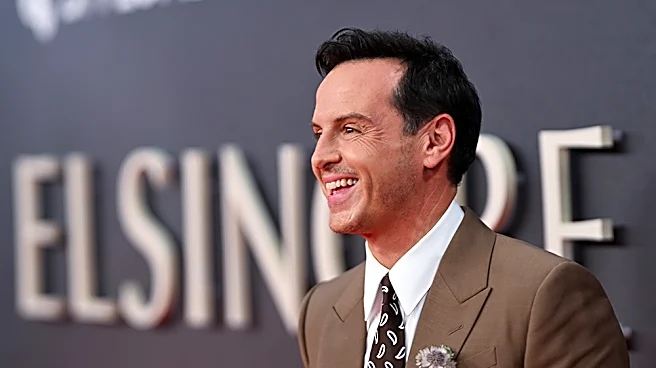
This isn't to say star power is irrelevant. The festival still features plenty of big names, like Andrew Scott in 'Elsinore' and Olivia Colman in 'Wicker'. However, the dynamic has flipped. Instead of the star being the main attraction, they are now often used in service of a bold, director-led project. A well-known actor can bring attention to a weirder, more challenging film that might otherwise be overlooked, acting as a bridge for more cautious viewers. But once the audience is in the theater, the film itself—its story, its artistry, its emotional core—has to deliver. The star is the invitation, but the distinctive voice is the reason people stay, and more importantly, the reason they tell their friends to go.