


The Anatomy of a Fandom Soft-Launch
On social media, a “soft launch” is when you subtly hint at a new relationship—posting a picture of your partner’s hand, or their silhouette, without a big announcement. It’s a way of saying “something’s new here” without needing to explain all the details.
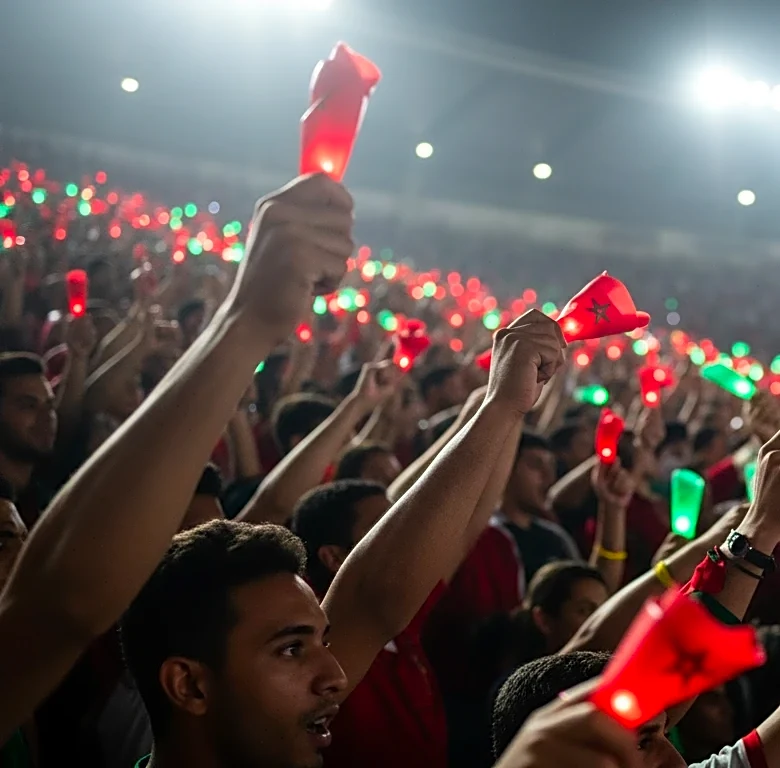
In the packed stadiums and buzzing fan fests of the 2026 World Cup, a similar phenomenon is unfolding. You see it everywhere: a fan in a USMNT jersey also wearing a Mexico scarf, a group of friends in downtown Kansas City wearing kits from Germany, Argentina, and the Netherlands, or a bar in Brooklyn packed with people passionately watching Senegal play. This isn’t about patriotism or picking one side. This is the soft launch of a new American soccer identity—one that’s complex, global, and quietly confident. It’s the subtle reveal that our love for the game has matured beyond just rooting for the home team.
This Isn’t 1994 Anymore
When the United States last hosted the men’s World Cup in 1994, the event felt like a novelty. Soccer was still a niche sport, and for many Americans, the tournament was an introduction. Fast-forward to 2026, and the landscape is unrecognizable. Thanks to two decades of Saturday mornings spent watching the Premier League, the rise of Major League Soccer, and the cultural dominance of the FIFA video game series, an entire generation has grown up fluent in the language of global football. The number of Americans who actively follow soccer has been steadily climbing, driven overwhelmingly by younger fans. Unlike in 1994, the 2026 tournament isn't trying to convert a skeptical public. It has arrived to a nation where nearly half the population identifies as a soccer fan, with 15 million new fans joining in June 2026 alone. This time, the fans were already here, waiting.
A New, Globalized Fan Identity
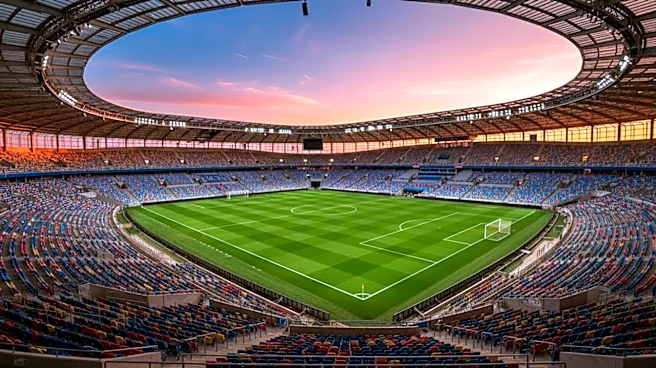
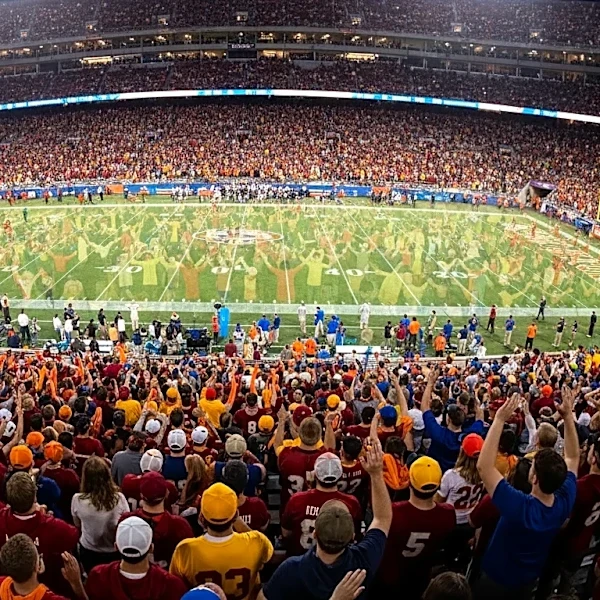
The proof is in the crowds. Record-setting attendance and stadiums filled to 99.7% capacity have defined this tournament, with a vibrant mix of international visitors and American fans. But the story isn’t just about numbers; it's about who these fans are. They are younger and more diverse. They are “Culturalists” who thrive on the energy of a global event, and “Domestic Devotees” whose primary allegiance is to MLS but who embrace the international spectacle. You see American fans buying jerseys of countries they have no connection to, simply because they fell in love with the team’s style of play. This is the soft-launch in action. It’s the public expression of a private passion that has been building for years. American fandom is no longer a monolith defined by the national team. It’s a mosaic of club loyalties, player allegiances, and a genuine appreciation for the sport in its purest form.
Why This Moment of Maturity Matters
This shift signifies a crucial graduation for American soccer culture. For years, the narrative was about whether the U.S. could prove it belonged on the world’s biggest stage. Now, that question feels irrelevant. The soft-launch moment is a declaration that we are already here, comfortable in our own multifaceted soccer skin. We don’t need to borrow traditions; we are creating our own, like USMNT coach Mauricio Pochettino’s embrace of “Country Roads” as a victory anthem. This new confidence allows American fans to do something that was once rare: to celebrate the sport’s globalism without feeling like it diminishes their own identity. It’s a sign that the sport is no longer just an import; it has become an integral part of the American social fabric, a force for connection in a divided world. The quiet reveal in the stands is that America isn’t just hosting the world’s game—it’s finally, truly a part of it.