







A City Built on Principles
Each year, for one week, Black Rock City (BRC) rises from the Nevada desert, complete with a functional airport, emergency services, and a population of over 70,000. But this metropolis is more than just infrastructure; it’s an experiment in urban planning
and social engineering. Designed by Rod Garrett in the late '90s to manage a growing, chaotic gathering, the city features a distinctive C-shaped grid of concentric and radial streets. This layout is intentionally designed to be navigable, foster community, and orient everyone toward the central Man effigy and the open playa, which serves as a massive canvas for art. The city's design isn't just about logistics; it’s the physical manifestation of the event's Ten Principles, which include radical inclusion, gifting, decommodification, and participation.
The Rise of the Experience Economy
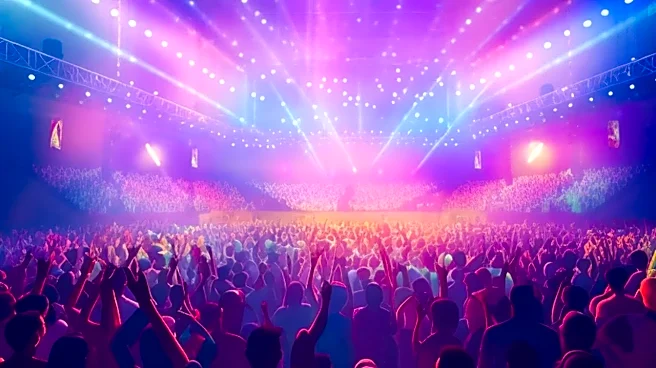
Parallel to Burning Man's growth, a cultural and economic shift was underway—a move from a consumer economy to an “experience economy.” Businesses and brands realized that modern consumers, particularly millennials, crave memorable, interactive, and shareable moments more than just products. This gave rise to the field of experience design: the practice of crafting immersive and engaging events, installations, and interactions. Experience designers are the architects of everything from interactive museum exhibits and brand pop-ups to sprawling music festivals and innovative corporate retreats. Their goal is to create a self-contained world with its own logic and emotional arc, a space where attendees are not passive consumers but active participants.
From the Playa to a Professional Blueprint
The principles that define Black Rock City have become a powerful toolkit for experience designers. The concept of "decommodification"—creating a space free from commercial sponsorships and transactions—has been hugely influential. It teaches designers how to build authentic community and trust by removing the transactional nature of most modern events. Likewise, the ethos of "gifting" and "communal effort" encourages a collaborative environment where attendees contribute to the experience, rather than just consuming it. Perhaps most importantly, "radical participation" is the core tenet. Burning Man teaches that the most transformative experiences happen when people are personally involved. Attendees don't just see art; they build it, interact with it, and become part of it. This makes the experience deeply personal and memorable.
Where the Influence Is Seen Today
The fingerprints of Burning Man's design philosophy are all over the modern landscape of planned experiences. Major festivals have adopted BRC’s emphasis on large-scale art installations and creating a unique, temporary world. Immersive art phenomena like Meow Wolf and other interactive pop-ups are built on the Burner principle that the audience should be a co-creator of the experience, free to explore and discover. Even the corporate world has taken notice. Silicon Valley, in particular, has strong ties to the event, with tech leaders valuing the lessons in collaboration, problem-solving, and community-building fostered by the harsh desert environment. Companies now design off-sites and conferences that prioritize unscripted interaction and communal effort over passive presentations, a direct echo of the playa's social dynamics.