



The Gold Standard: Character Through Song
A great needle-drop does more than just set a mood; it deepens our understanding of a character. It's the difference between hearing a song and feeling it through someone else's ears. The undisputed winner of this year's test comes from the Emmy-winning
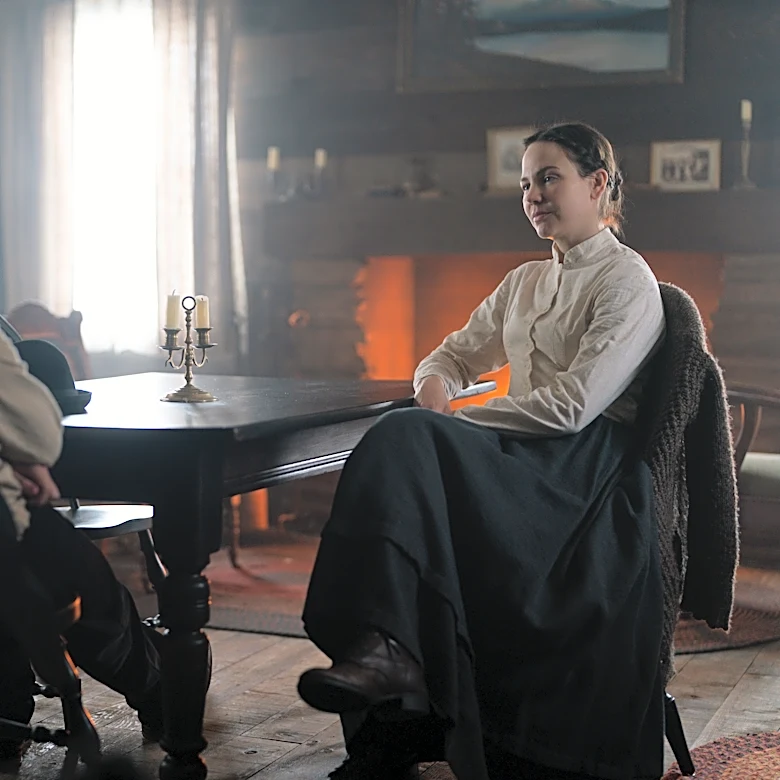
music supervision of ‘Widow's Bay.’. In a pivotal scene, a character long defined by her quiet stoicism sits alone in her car, overwhelmed, and plays a classic, soul-baring ballad. The song isn't just background noise; it’s her inner monologue made audible. The lyrics don't mirror the plot literally—a common trap—but instead tap into the raw, unspoken emotions of the scene. The choice feels both surprising and, in retrospect, inevitable, re-framing both the character and a song we thought we knew. This is the art form at its peak: not just picking a good song, but using it to tell a better story.
The Nostalgia Trap: Obvious and On-the-Nose
Then there’s the other side of the coin: the lazy needle-drop. You know the one. A show is set in the '90s, so of course someone turns on the radio and a grunge anthem is playing. A character is sad, so a melancholy indie song swells. This year saw plenty of offenders who used iconic tracks as a narrative crutch. When a needle-drop is too on-the-nose, it doesn't enhance the drama; it insults the audience's intelligence by telling them exactly how to feel. One of this season's big-budget sci-fi epics was particularly guilty, using a famous protest song to score a rebellion scene. The choice wasn't clever or ironic; it was just obvious, a blunt-force attempt to borrow the song’s cultural weight without earning it. It’s a move that feels less like artistry and more like a high-priced search query for “songs about fighting the power.”
The Cover-Up: A New Twist on an Old Favorite
A popular trend in recent years is the slowed-down, somber cover of a once-upbeat pop song. When done well, it can be a masterstroke of irony and reinvention. This year’s breakout hit, the dark comedy ‘Nobody Wants This,’ used a stripped-down, acoustic version of a massive '00s dance hit to score its tragic finale. The juxtaposition was stunning. By stripping away the familiar production, the song’s lyrics were thrown into sharp relief, revealing a hidden layer of melancholy that perfectly suited the show’s bittersweet tone. However, this trick is fast approaching cliché. For every brilliant reinterpretation, there are a dozen that feel like a cheap shortcut to gravitas, proving that changing the arrangement isn't enough if the underlying idea isn't there.
The Power Play: When It's Worth the Price
Sometimes, you just have to pay for The Beatles. Or Led Zeppelin. Or Kate Bush. Securing the rights to a universally known, legendary song is notoriously difficult and expensive, which is why it can feel like a major event when it happens. In the finale of ‘Hacks,’ a veteran performer takes the stage, and as she does, a song so iconic it’s practically woven into our cultural DNA begins to play. The moment feels earned because the show’s entire narrative has built to it. Using such a monumental song is a power play by the music supervisor, a flex that says this moment, and this character, deserve nothing less. It’s the polar opposite of a lazy choice; it’s a deliberate, high-stakes bet that a song's immense cultural baggage can be harnessed to make a scene truly transcendent. When it pays off, there’s nothing else like it.