

A Hall of Fame for the Living Room
Launching in 2004, the premise of VH1 Hip Hop Honors was simple but revolutionary for its time: treat the architects of hip-hop with the same reverence as rock and roll royalty. For years, hip-hop's founding figures and golden-age icons were often overlooked
by mainstream awards shows that prioritized contemporary commercial success. This event was different. It explicitly aimed to honor artists for their long-term influence and cultural significance. The first ceremony set the tone, celebrating pioneers like Run-DMC, Public Enemy, and Kool Herc, and even dedicating honors to cultural pillars like the graffiti art movement. It was a clear declaration that hip-hop had a history that deserved to be canonized on a major national platform.
The Power of the Tribute Performance
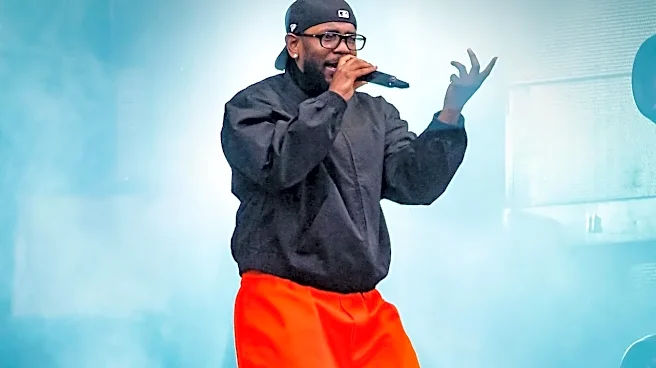
The show's true genius lay in its signature tribute performances. This wasn't just a dry recitation of achievements; it was a living, breathing mixtape. Seeing then-current stars perform the classics of their idols created a powerful bridge between generations. When T.I., Common, and Black Thought paid tribute to Big Daddy Kane, or when Eminem and The Roots blazed through an LL Cool J classic, it did more than just entertain. It contextualized the music, showing a direct lineage of influence. For a teenager in 2006 who might have only known the hits on the radio, seeing their favorite artist passionately cover a track from 1988 was an education. It made history feel immediate and urgent, turning legendary figures into accessible icons.
Crafting a Canon, With Caveats
With this power to educate came the immense power to curate. By selecting certain honorees, VH1 was effectively creating a mainstream-friendly hip-hop canon. The annual list of inductees—from A Tribe Called Quest and Tupac to Snoop Dogg and Missy Elliott—became a de facto reading list for the cable-TV generation. However, this curation wasn't without its controversies. For every celebrated choice, there were debates about who was being left out. The 2016 show honoring the women of hip-hop was widely praised, but it also sparked criticism from artists like Foxy Brown and Angie Stone of The Sequence, who felt their contributions were overlooked. Similarly, a special on Southern hip-hop drew criticism from pioneers who felt their specific roles were omitted, proving that the act of writing history is always a political one.
A Moment in Time
The show ran consistently until 2010 before taking a hiatus and returning for special editions in 2016 and 2017. The final show, a tribute to the '90s, felt like both a celebration and the end of an era. In the years since, the very idea of a single, centralized cultural gatekeeper like VH1 has faded. Today, hip-hop history is explored and debated constantly across countless blogs, social media accounts, documentaries, and podcasts. The monolithic power of cable television has been replaced by the decentralized, chaotic, and ultimately more democratic world of the internet. The function of the Hip Hop Honors has been absorbed by the culture it once helped define.