



The Age of Anarchy and Angst
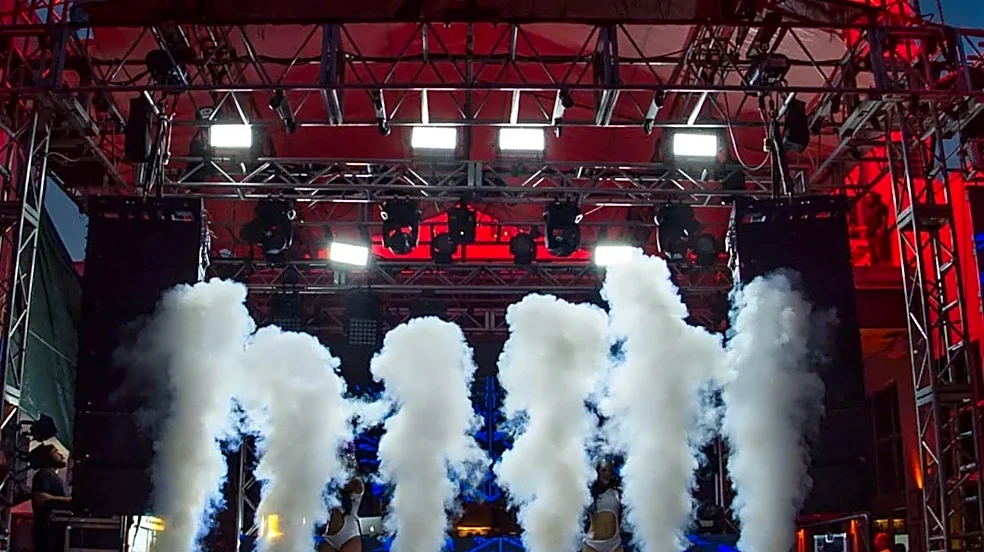
In the beginning, there was the Odd Future Wolf Gang Kill Them All Carnival. Before it became the multi-day, genre-spanning institution at Dodger Stadium, it was a raw, chaotic celebration of the collective's disruptive energy. This was the era of 'Free
Earl,' when a 16-year-old Thebe Kgositsile became a mythical figure, a lyrical prodigy whose mixtape 'Earl' was a landmark of technical skill and shocking, juvenile horrorcore. His style was dense, intricate, and gleefully offensive—a perfect sonic match for the early Carnival's DIY, punk-rock ethos. Both the artist and the event were defined by a rebellious spirit, a rejection of mainstream polish in favor of something more immediate, unpredictable, and thrillingly dangerous.
A Turn Toward Introspection
When Earl returned from Samoa, the narrative began to shift. His official debut, 'Doris,' was a step away from pure shock value toward something more complex and melancholic. This artistic pivot mirrored the festival's own maturation. As the 'OFWGKTA' branding faded and 'Camp Flog Gnaw' became the primary identity, the event grew more organized and ambitious. Yet, this period was also marked by growing pains. Just as Earl’s 2015 album 'I Don't Like Shit, I Don't Go Outside' was a claustrophobic and insular masterpiece, the Odd Future collective itself was fracturing. Earl’s absence from the 2015 festival sparked rumors of a rift with Tyler, the Creator, reflecting a broader shift as the members began forging their own distinct identities. The festival was becoming bigger, but the tight-knit family vibe of its early years was evolving into something else. The raw chaos was being replaced by curated angst.
The Experimental Adulthood
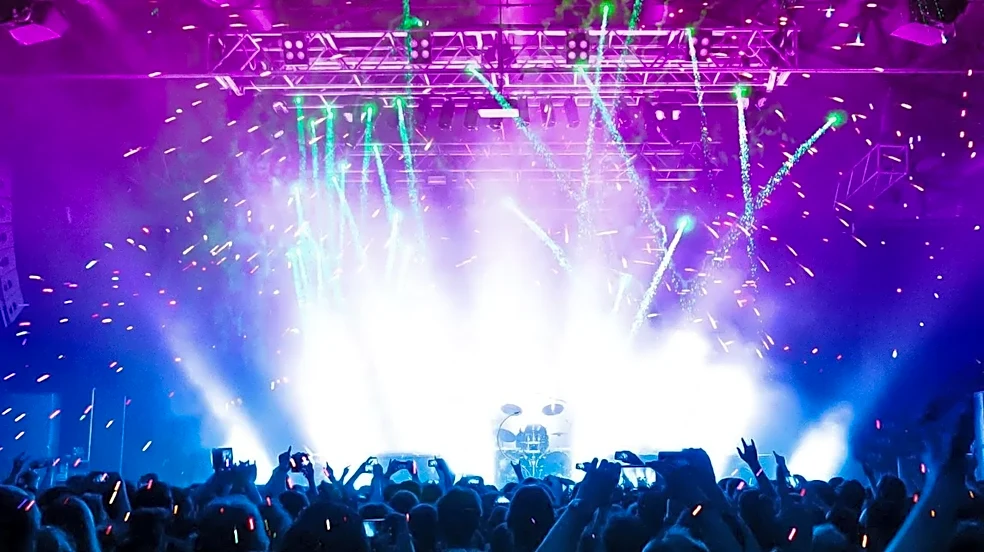
By the late 2010s, both Earl and Camp Flog Gnaw had entered a new phase of adulthood. Earl’s music, particularly on 2018’s 'Some Rap Songs,' became abstract, fragmented, and deeply personal. The intricate, multi-syllable rhymes of his youth gave way to a slurred, poetic delivery over hazy, loop-based beats. It was the sound of an artist deconstructing his own style to find a more authentic voice. Simultaneously, Camp Flog Gnaw had transformed into a cultural touchstone. No longer just a showcase for Odd Future and their affiliates, its lineups became wildly eclectic, featuring legacy acts, indie darlings, and global superstars alongside the core members. The festival's identity was less about the 'Wolf Gang' and more about a broader 'Golf Wang' aesthetic curated by Tyler—a celebration of diverse, forward-thinking artistry. In this new context, Earl's challenging, murky music found a home, often on a smaller stage, a testament to his journey from hyped prodigy to respected, uncompromising artist.
A Shared, Matured Legacy
Today, Earl Sweatshirt and Camp Flog Gnaw represent two sides of the same coin: the matured legacy of Odd Future. The festival is a physical manifestation of the crew's journey from iconoclastic teens to influential tastemakers. It’s a space where the rebellious energy of the past coexists with a more sophisticated and inclusive artistic vision. Earl's presence on the lineup is symbolic. He is the group's lyrical soul, the quiet storm to Tyler’s tornado. His artistic path—from angsty provocateur to introspective poet wrestling with grief, fatherhood, and fame—is the festival's story written in miniature. He proves that you can grow up without selling out, that you can evolve without erasing your past. The reunion of EarlWolf on the Flog Gnaw stage in 2016 was a key moment, a bridge between the fractured past and the collaborative future.