






The Ticking Clock of Unpaid Bills
From the opening moments of the series, the financial precarity of The Original Beef of Chicagoland is not just a plot point; it's the engine of the entire drama. Fine-dining chef Carmy Berzatto returns home not just to mourn his brother, Michael, but
to inherit his mountain of debt. This isn't an abstract problem discussed in a quiet office. It’s a visceral, minute-to-minute crisis. Unpaid vendors refuse to deliver meat, the power flickers, and payroll looms as an impossible mountain to climb. The show masterfully uses these everyday business struggles to create a relentless sense of urgency. The financial hole Michael left is so deep that simple survival requires herculean effort, turning the act of just opening for the day into a high-stakes gamble.
Speaking in Spreadsheets and Stress
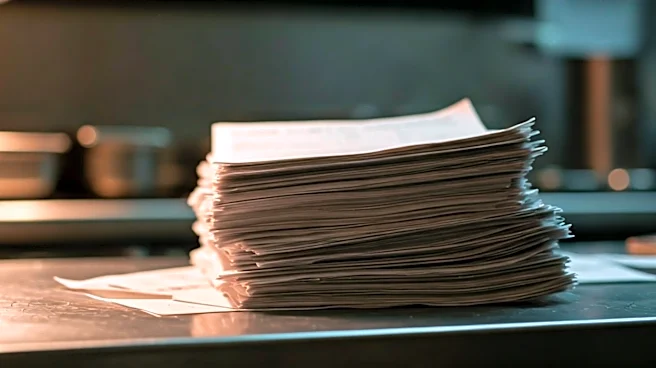
Many shows would relegate financial details to the background, but The Bear puts them front and center, making the language of business a key part of its script. Characters don't just say they're broke; they talk about food costs, labor percentages, and the impossibly thin profit margins of the restaurant world. Carmy’s sister, Natalie "Sugar" Berzatto, becomes the reluctant CFO, her ever-present spreadsheets and frantic calls a visual representation of their struggle. The show's dialogue is peppered with the real-world anxieties of small business owners, from debating the cost of new equipment to the painful decision of how to price a menu. This authenticity, praised by real-life restaurateurs, grounds the story in a reality that feels both specific and universally understood by anyone who has ever worried about a balance sheet.
The Cinematography of Anxiety
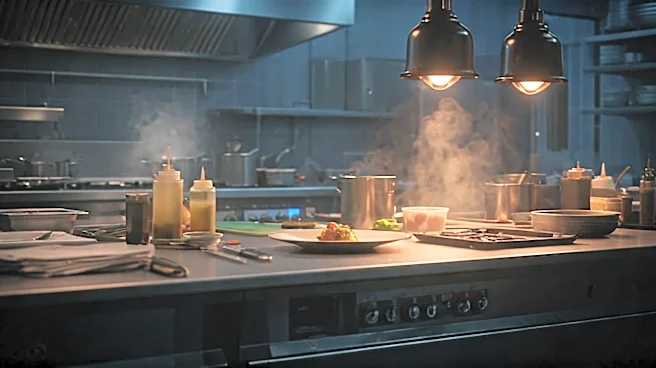
This is where The Bear truly elevates its subject matter. The show’s directors and cinematographers use their tools to make the audience feel the pressure of debt. The camera rarely sits still, employing a mix of jarring quick cuts and intensely long, frenetic takes that mirror the characters' chaotic mental states. Extreme close-ups on Carmy's anxious eyes or a sizzling pan create a sense of claustrophobia, as if the walls of the kitchen are physically closing in. The sound design is a cacophony of shouting, clanging pots, and the incessant shrill ticket machine, an auditory onslaught that keeps both the characters and the viewers on edge. This isn't just showing a kitchen; it's simulating the internal experience of being overwhelmed, where every sound and sight contributes to a rising panic.
An Emotional Ledger
Ultimately, the show makes debt cinematic by focusing on its human cost. The financial strain isn't just about numbers; it's about the emotional toll it takes on every single character. Carmy's ambition is constantly undermined by the financial realities he inherited. Sydney's dream of creating something new is a massive financial gamble that strains her relationship with her father. Richie's desperate search for purpose is tied to the restaurant's ability to simply stay afloat. The debt is a ghost that haunts their every interaction, fueling arguments, creating distrust, and pushing them to their breaking points. It’s the invisible force that explains why a dropped container of broth can feel like a world-ending catastrophe. The show understands that debt isn’t just a business problem; it’s a profound emotional burden.