



It’s a familiar frustration: you layer lightweight pieces to stay comfortable, only to feel like you’re drowning in fabric. The problem isn’t the layers themselves, but a common misunderstanding of how to combine them for a sleek silhouette.
The Real Mistake: Ignoring Fabric and Fit
The single
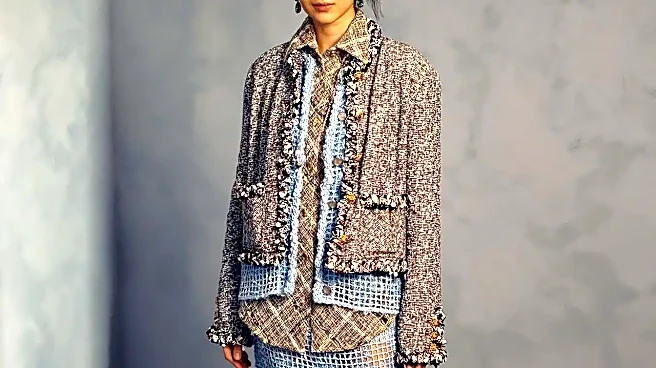
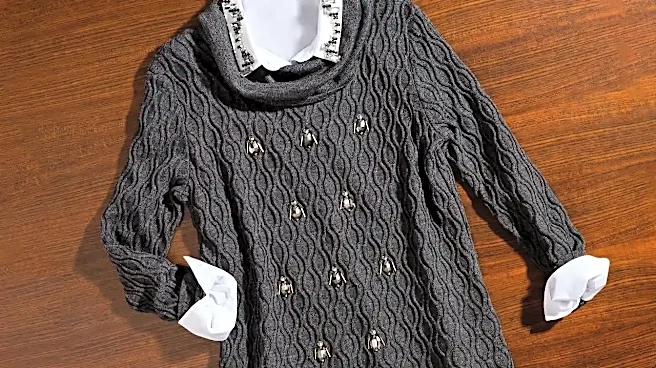
biggest mistake in layering is assuming all 'lightweight' fabrics are created equal. We often focus on piling on pieces for warmth or style, but the real issue is how those fabrics interact. A thin but stiff cotton shirt paired with a fine-gauge but boxy sweater can create more visual clutter than a single thicker garment. The mistake isn't adding another piece; it's adding a piece that fights the shape and texture of the one beneath it. True mastery of layering comes from understanding that some materials, despite being thin, create structural volume, while others drape and conform to the body.
The Foundation: Start With Your Thinnest Layer
The most effective rule for avoiding bulk is to build your layers from thin to thick. Your base layer—the one closest to your skin—should be the sleekest and most fitted. Think of materials like silk, modal, fine-gauge merino wool, or a high-quality cotton blend. These fabrics provide warmth without adding volume and create a smooth canvas, preventing the layers on top from bunching or pulling. A fitted turtleneck, a smooth tank, or a seamless long-sleeve tee serves as a perfect starting point, ensuring that subsequent layers glide on easily without creating lumps.
The Silhouette Secret: Play With Proportions
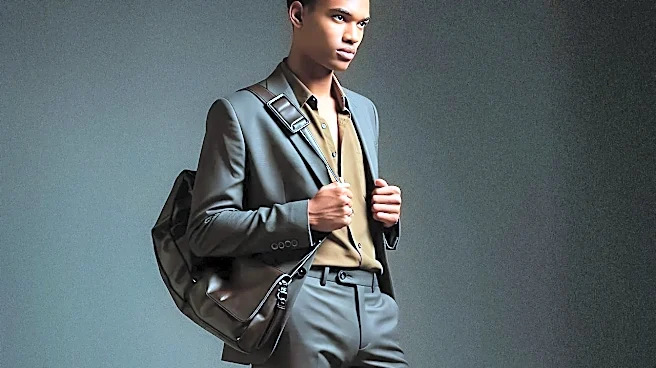
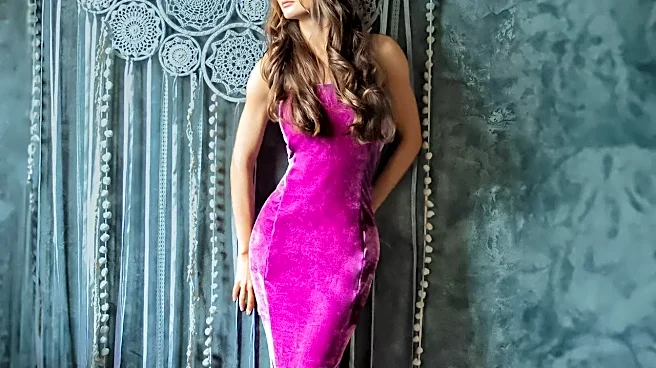
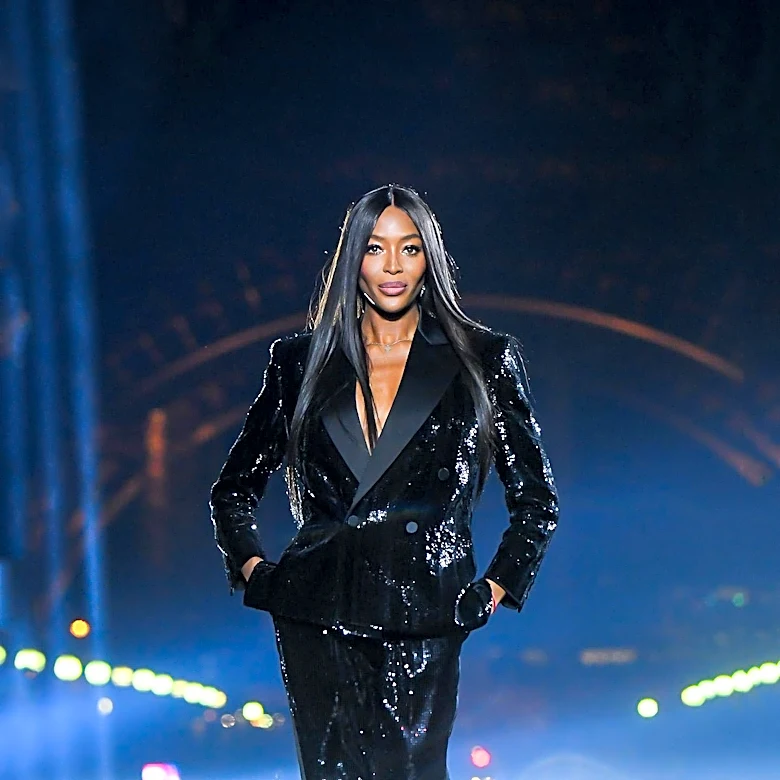
Bulk is as much about visual balance as it is about physical thickness. When every layer you wear is loose or oversized, you lose your natural shape and end up with a boxy, undefined frame. The key is to create contrast in your silhouette. If you’re wearing a more voluminous piece on top, like a relaxed cardigan or an oversized blazer, keep the bottom half slim with tailored trousers or straight-leg jeans. Conversely, if you’re wearing wide-leg pants, pair them with a more fitted top. This principle of balancing proportions ensures your outfit has a focal point and a clear shape, rather than appearing as an shapeless mass of fabric.
The Power of the 'Third Piece'
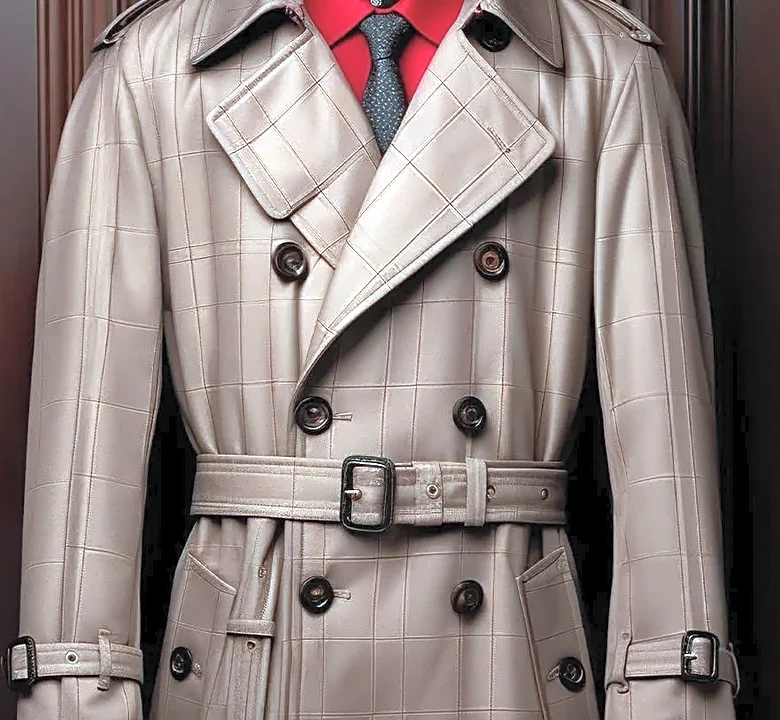
Often, the element that makes a layered outfit look polished instead of bulky is a strategic 'third piece'. This is the item—like a vest, a structured blazer, or a long, open cardigan—that you add over your top and bottom. This final layer works by creating long, vertical lines that draw the eye up and down, effectively slimming the overall silhouette. A vest, for example, adds warmth to your core without adding any bulk to your arms. A long blazer or cardigan can frame your body, making the layers underneath seem more cohesive. This piece shouldn't be an afterthought; it’s a tool to give your entire look structure and intention.
Texture and Color: The Finishing Touches
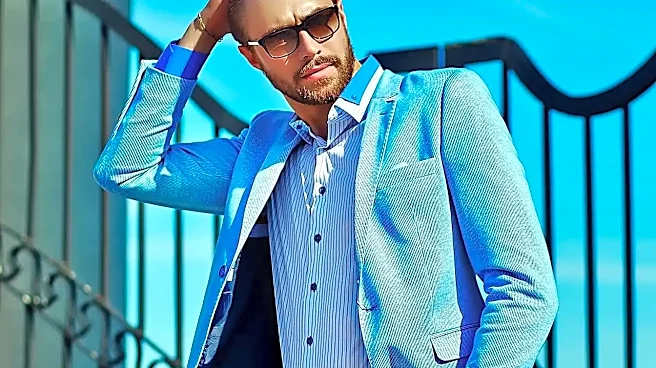
Finally, don’t underestimate the power of texture and color. Layering pieces with different textures—like a smooth silk camisole, a soft cashmere knit, and a crisp linen blazer—adds depth and visual interest that prevents the outfit from looking flat or one-dimensional. When textures are too similar, they can blend together and appear heavier than they are. Similarly, using a cohesive color palette helps streamline your look. Sticking to two or three complementary tones or shades of the same color creates a harmonious effect that feels intentional and chic, rather than chaotic and bulky.