


The Architecture of Anxiety
Before a single scare actor lunges from the darkness, the designers at Universal’s Halloween Horror Nights have already started manipulating you. They are masters of architectural discomfort, using the very layout of a space to prey on your subconscious.
A truly effective haunted house is built on principles that are the exact opposite of what makes us feel safe. Where good design creates clarity and comfort, haunt designers build confusion. They intentionally create twisting corridors, rooms that seem hidden, and spaces that feel fundamentally wrong in their proportions—either too wide and low or unnervingly tall and narrow. This isn't random; it's a deliberate strategy to evoke a deep-seated fear of being lost and trapped. By stripping away the landmarks our brains use to build a mental map, the environment itself becomes an antagonist. You’re on edge long before the first chainsaw revs, primed for panic by nothing more than walls and shadows.
Doorways: The Terrifying Threshold
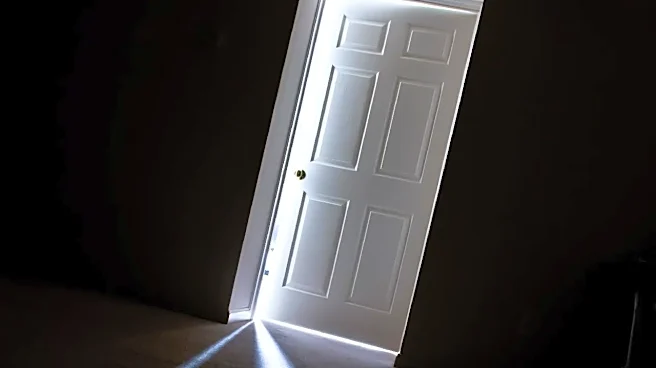
In a haunted house, a doorway is never just an entrance. It is a psychological trigger, a point of no return that separates a known area from a terrifying unknown. Designers use doorways to frame a threat, offering just a glimpse of the horror within or, even more effectively, showing nothing but pure darkness. This forces a moment of hesitation. Every instinct tells you not to cross the threshold, yet the conga line of people behind you propels you forward. That moment of vulnerability is the key. You are willingly stepping into a predator's territory. The act of passing through a door becomes a commitment to the scare on the other side. This is especially true when a curtain of fog or hanging material obscures the view, forcing you to push through blindly. The door is the first test, and passing through it signals your surrender to the experience.
Corners: The Ultimate Blind Spot
If the doorway is a question, the corner is an answer you don’t want. The most primal tool in a haunt designer’s arsenal is the blind corner. By creating mazes with as many sharp turns as possible, designers radically shorten your line of sight, maximizing surprise and triggering an immediate fight-or-flight response. Your brain, unable to process what’s next, defaults to assuming the worst. This technique, sometimes called "folding" the space, allows designers to pack more scares into a limited area while also inducing a state of constant tension and disorientation. After two or three turns, your sense of direction is gone, leaving you completely at the mercy of the path. You know a scare is coming; you just don’t know when or from where. The corner guarantees a loss of control, making it the perfect delivery system for a jump scare.
Curtains: The Obscured Threat
Hanging elements—whether tattered curtains, grimy plastic strips, or dangling viscera—are a masterstroke of sensory warfare. Their power lies in a combination of visual obstruction and tactical violation. Not only do they block your view of what lies ahead, but they also force you to physically interact with the unknown. There’s a natural revulsion to pushing your face through something when you can’t see the other side. Is it just a curtain, or is someone waiting there? Is the dampness just water, or something more sinister? This forced contact heightens your sense of vulnerability by engaging your sense of touch in the horror. It breaks your personal bubble and creates a lingering feeling of unease. The brief moment of contact makes the environment feel alive, invasive, and inescapable, amplifying the psychological dread before the next major scare is even revealed.
Frames: Composing Your Nightmare
While much of haunt design is about chaos, its most artful moments are about control. Designers use frames—windows, cracks in a wall, prison bars, or even the deliberate arrangement of props—to compose a scare like a painter composes a scene. These frames direct your eye exactly where the designers want you to look. A flickering light seen through a distant window or a monstrous silhouette passing behind a broken wall isn't a random event; it's a carefully curated image designed to tell a micro-story and build atmosphere. This technique turns the haunted house from a simple series of startles into a cinematic experience. By controlling your perspective, designers can build anticipation, foreshadow a threat, or deliver a scare that’s more beautiful than brutal. It shows that in the grammar of fear, sometimes the most terrifying thing isn’t what’s lunging at you, but what you’re forced to watch from a distance.