




The Old Horror Playbook
For decades, the business model for horror was simple and effective: keep it cheap. The original 'Halloween' from 1978 was shot for around $300,000 and went on to gross roughly $70 million worldwide, becoming a legendary success story. This formula—low
budget, minimal risk, high potential profit—defined the genre. Horror was a reliable ticket-seller, but it was rarely considered 'prestige'. Studios saw it as a dependable moneymaker that didn’t need the expensive marketing or premium screen treatment of a summer tentpole. The communal experience of being scared in a dark theater was the draw, not the technical presentation. This made horror films one of Hollywood’s last sure bets, but also kept them confined to standard auditoriums while bigger, pricier movies took over the premium large formats, or PLFs.
The New Premium Scream
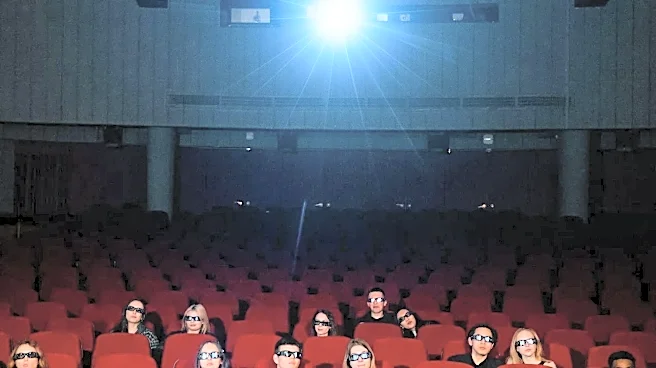
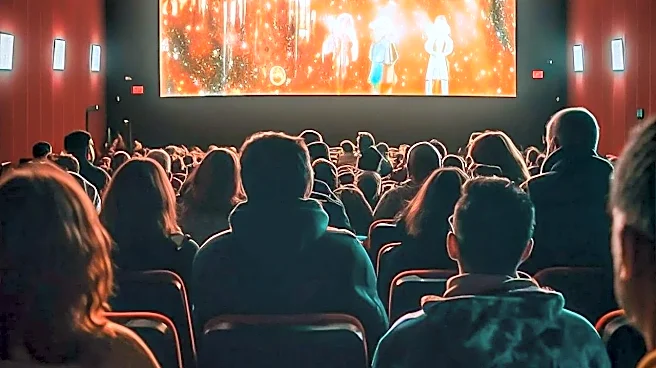
In recent years, that thinking has been completely upended. Studios realized that the very things that make horror effective—atmosphere, sound design, and visceral shocks—are dramatically amplified by premium technology. Formats like Dolby Cinema, with its advanced sound and deep black levels, and IMAX, with its massive screens and proprietary sound systems, don’t just show you a horror movie; they immerse you in it. This has proven to be a powerful draw for audiences who are increasingly selective about paying for a trip to the movies. When people leave home, they want an experience they can't replicate on their couch, and a jump scare on a six-story screen with seat-rattling bass fits the bill perfectly. As a result, horror is no longer just a genre; it's an event. Films like 'Sinners' and 'Alien: Romulus' have pulled in huge portions of their opening weekend revenue from PLFs, proving audiences will pay extra for a premium fright.
The Economics of Fear
The strategy is a win-win for both studios and theater owners. Theaters can charge higher ticket prices for PLF screenings, boosting revenue on some of the year's most reliable content. Horror's audience is consistent and front-loaded, with fans rushing out on opening weekend. This makes a two-week run in an IMAX or Dolby auditorium a highly profitable, low-risk booking, especially during the crowded Halloween season. For studios, booking premium screens elevates a horror release to blockbuster status. It's a marketing tool in itself, signaling that a film is a must-see cinematic event. This strategy has paid off, with horror's share of the domestic box office growing significantly. In 2025, the genre accounted for over 15% of all ticket revenue, more than comedy and drama combined. Even as overall ticket sales have fluctuated, the audience for premium experiences has remained strong, making horror a cornerstone of the theatrical business.
More Than Just a Bigger Picture
The technical advantages go beyond just a larger screen. Immersive audio formats like Dolby Atmos allow filmmakers to place sounds with pinpoint precision, turning a creaking floorboard or a distant whisper into a primary source of terror. Formats like 4DX add physical effects like wind, fog, and motion seats to sync with the on-screen action, transforming the movie into a theme park-like ride. This sensory overload is particularly effective for horror, enhancing every chase, confrontation, and jump scare. Some films are now specifically 'Filmed for IMAX', using special cameras to capture a larger aspect ratio that fills more of the screen. This gives the director more visual real estate to build suspense and shock the audience, creating a version of the film that can only be fully experienced in that format. This turns the technology from a simple upgrade into a key part of the artistic storytelling.