


Adapting a beloved Broadway show is a wicked game. For the two-part 'Wicked' film, composer Stephen Schwartz didn't just add two new songs for fun; he wrote them to solve specific storytelling problems that work on stage but need more on screen.
The Challenge of Stage vs. Screen
On stage,
a story can get away with certain leaps. An audience accepts the theatrical convention of time passing quickly or a character having an off-stage epiphany. Film, however, is a much more literal medium. Director Jon M. Chu and the creative team knew that what works at the Gershwin Theatre, with its dramatic curtain drops and act breaks, might feel rushed or underdeveloped on camera. The decision to split the film into two parts was the first sign of this, giving the story more room to breathe. But more space also means needing more substance. For years, fans and critics have noted that 'Wicked's' second act, while emotional, is structurally different and darker than the first. It's where the story's political and personal consequences come home to roost, and some character turns happen very quickly.
Glinda’s Crisis of Conscience
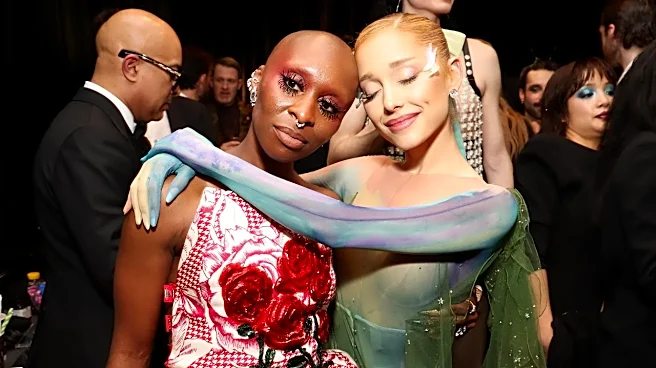
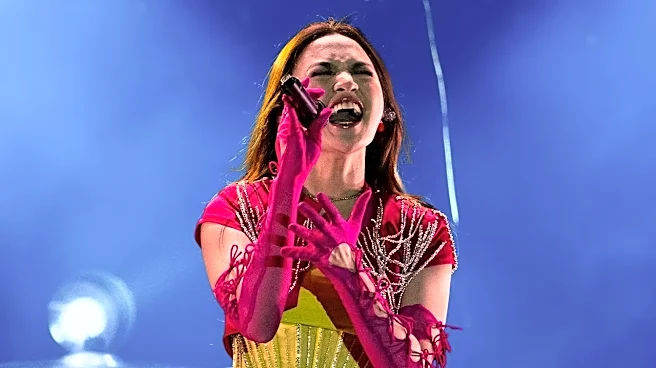
One of the biggest storytelling opportunities lay with Glinda. In the stage musical, after becoming the public face of the Wizard's regime, her internal conflict and eventual decision to rebel happen largely between scenes. The film adaptation needed a specific moment to show, not just tell, her change of heart. This is where one of the new songs, 'The Girl in the Bubble,' comes in. Stephen Schwartz explained that the song was created to give Glinda a point of crisis where she confronts the fact that she has been insulated from the truth, trading her morality for the perks of power. For actress Ariana Grande, the song is a pivotal moment that shows her character making a defining decision, a transformation that happens offstage in the musical. It’s a moment of accountability where Glinda realizes she has to metaphorically 'pop the bubble' she's been living in.
Giving Elphaba a Reason to Fight
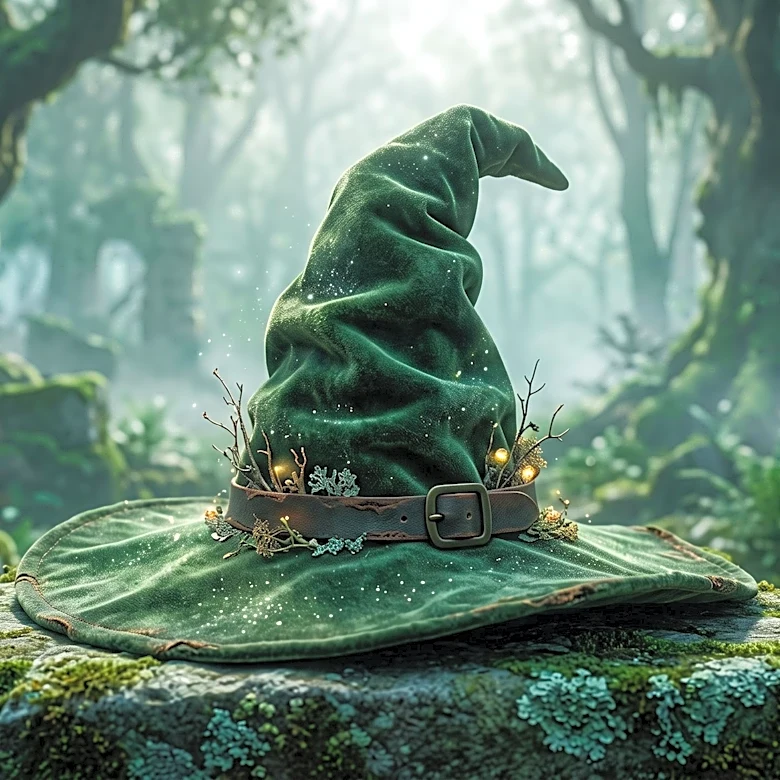
Elphaba's journey in the second half is also complex. After being branded the Wicked Witch of the West, she becomes a figure of resistance. But why does she stay and fight for a world that has turned on her? The second new song, 'No Place Like Home,' was written to answer that very question. Schwartz stated that he wanted to show Elphaba’s deep, almost inexplicable love for Oz, her home, even though it has been cruel to her. The song is designed to be a moment of self-definition and resistance, reclaiming the iconic 'Wizard of Oz' phrase from her own perspective. It provides a crucial emotional anchor, explaining her motivation to stay and fight for a better Oz rather than simply fleeing. The song was a collaborative effort, with actress Cynthia Erivo providing feedback to ensure the lyrics felt true to Elphaba’s inner life.
More Than Just New Music
These additions weren't afterthoughts; Schwartz said the team identified the two spots in the story that needed musicalization years in advance, once the two-movie structure was decided. The goal was to deepen the emotional arcs that the stage show's pacing couldn't fully explore. While some viewers felt the new songs struggled to match the iconic energy of the originals or impacted the film's pacing, they were explicitly intended to address long-standing structural challenges. They aim to fix the second act's perceived dip in energy by raising the personal stakes for its heroines. By giving both Glinda and Elphaba dedicated moments of internal struggle and resolve, the new songs attempt to make their ultimate transformations feel more earned and emotionally resonant for a cinema audience.