



The World Through a Wide-Angle Lens
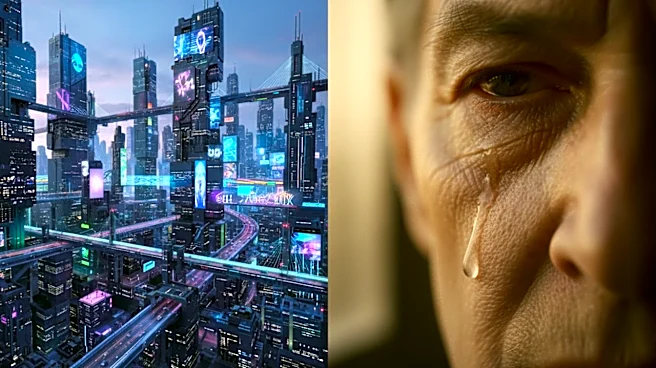
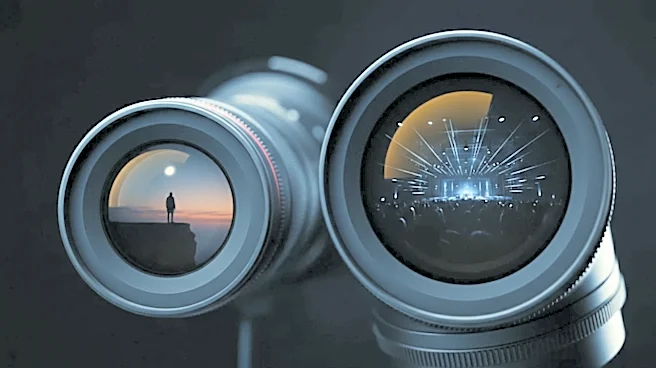
A wide-angle lens (typically anything below 35mm) captures a broad field of view, making it the go-to choice for establishing shots of grand landscapes or sprawling cityscapes. But its power goes far beyond just showing you more. By exaggerating the distance
between objects, it can create a sense of immense scale and freedom. Think of the sweeping vistas in a classic Western, where the hero is a small figure in a vast, imposing world. At the same time, when used up close, a wide lens distorts facial features, creating a grotesque or unsettling feeling. This distortion can make a space feel chaotic and disorienting, amplifying feelings of anxiety or panic, a technique masterfully used to convey a character’s unhinged mental state or the oppressive nature of a confined space.
Finding Reality with the 'Normal' Lens
Sitting in the middle of the spectrum, usually around 50mm, is the “normal” or “standard” lens. It’s often called this because its perspective most closely mimics that of the human eye. There’s minimal distortion, and the relationship between the foreground and background feels natural and grounded. Filmmakers use this lens when they want to create a sense of objectivity or straightforward reality. It doesn’t impose a strong emotional filter on the scene; instead, it presents the world as it is, inviting the viewer to feel present and connected in an unassuming way. This lens choice fosters a feeling of authenticity, as if you are simply in the room with the characters, observing events as they unfold naturally.
The Intimate Intrusion of the Telephoto
On the other end is the telephoto, or long lens (anything from 85mm into the hundreds). Its primary characteristic is the ability to compress space, making objects that are far apart appear much closer together. This has a profound psychological effect. When a filmmaker uses a long lens for a close-up, it creates a powerful sense of intimacy, capturing subtle facial expressions without the distorting effect of a wide lens. However, this closeness can also feel voyeuristic. Because the camera is physically far from the subject, the viewer can get the sense they are spying on a private moment. This technique is famously used to create a feeling of detachment or to isolate a character, making them seem trapped by their surroundings, as the flattened background seems to loom right behind them.
The Director's Invisible Hand
The choice of focal length is rarely accidental; it's a deliberate decision made between the director and cinematographer to shape the story's emotional core. A shift from a standard lens to a wide one can signal a descent into chaos. A sudden cut to a telephoto close-up can heighten the drama of a revelation. In the hands of a skilled storyteller, the lens is as important as the script or the actor's delivery. It functions as an invisible hand, guiding how we perceive space, how we connect with characters, and, ultimately, how we feel. It's the subtle grammar of cinema that speaks directly to our emotions, often without us even noticing.