






The Horizon as a Promise of Home
For much of Odysseus’s ten-year struggle across the wine-dark sea, the horizon is the ultimate symbol of nostos, the Greek concept of homecoming. It is the container for his singular goal: Ithaca. Every league sailed, every monster overcome, is an effort
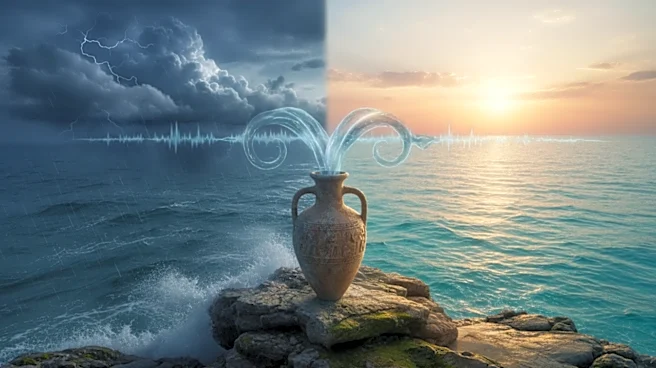
to bring that specific sliver of land into view. The sea is a vast, unpredictable barrier separating Odysseus from his family and identity, and the horizon represents the potential end of that separation. It’s the line he stares at from Calypso's island, a prisoner of paradise, his heart aching for the home he can’t see. In these moments, the horizon isn't just a geographical feature; it's a measure of hope. As long as it exists, the possibility of return exists, driving the narrative forward and giving his suffering a purpose.
A Veil for the Unknown and Monstrous
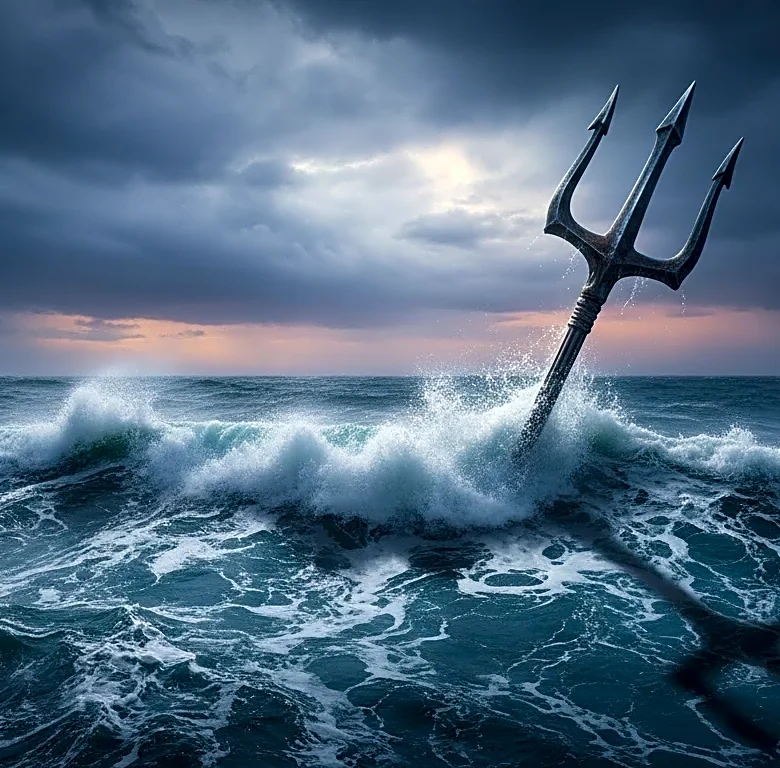
While the horizon promises home, it also conceals the epic's greatest threats. The sea in The Odyssey is a treacherous, chaotic realm, a physical manifestation of the gods' wrath and life's unpredictability. What emerges from beyond that clean, distant line is rarely friendly. The island of the Cyclops, the enchanting and deadly Sirens, the monstrous choice between Scylla and Charybdis—all these dangers appear by crossing a horizon. The horizon, in this sense, is a veil. It creates a terrifying suspense, separating the known world of Odysseus’s ship from the unknown horrors that await. Each dawn brings with it a new landscape and a new potential for doom, reinforcing the idea that the journey home is not just long, but actively hostile. This turns the sea from a simple setting into a character in its own right: a beautiful, deadly space governed by forces far beyond mortal control.
The Shifting, Cruel Goalpost
Perhaps the most gut-wrenching use of the horizon is as a fluctuating, almost taunting, goalpost. The most potent example is when Odysseus and his crew finally come within sight of Ithaca. They can see the shores and the smoke from their homes—the horizon has finally delivered its promise. But in a moment of catastrophic distrust, his men open the bag of winds gifted by Aeolus, unleashing a storm that blows them all the way back into the unknown. The longed-for horizon, once achieved, is cruelly snatched away. In this, the horizon functions as a symbol of the fragility of progress and the internal flaws—like pride and mistrust—that sabotage the journey. It teaches Odysseus (and the reader) a bitter lesson: seeing your destination and arriving there are two vastly different things. The journey home isn’t a straight line but a series of painful setbacks where the goal can vanish in an instant.
The Final Horizon: Recognition
When Odysseus finally crosses the last horizon and washes ashore on Ithaca, a final, brilliant twist occurs: he doesn’t recognize it. Athena has shrouded the island in mist, making his long-sought home alien to him. Here, the physical horizon dissolves and is replaced by a metaphorical one: the horizon of recognition. The journey across the sea is over, but the journey to reclaim his identity has just begun. He must see past the disguise of the land, just as his family must eventually see past his own disguise as a beggar. This final act suggests that homecoming is more than just a physical arrival. It’s a process of rediscovery. The true end of the journey isn't reached when he steps on the shore, but when he strings his great bow, reasserts his authority, and is truly seen by his wife and son. The story's ultimate horizon was never a line on the water; it was the moment of being known again.