




Not Just Another Day at the Races
First, let's get the context right. Held every June in Berkshire, England, Royal Ascot is a five-day horse racing meet with over 300 years of history, founded by Queen Anne in 1711. Its defining feature is its inextricable link to the British Royal Family,
who arrive each day in a horse-drawn carriage procession. This royal seal of approval elevates Ascot from a simple sporting fixture to a cornerstone of the British social season. For Americans, think of it as combining the high-stakes tradition of the Derby with the formal pageantry of a state dinner. It’s less about who wins on the track and more about who is attending and, crucially, what they are wearing.
The Power of the Dress Code
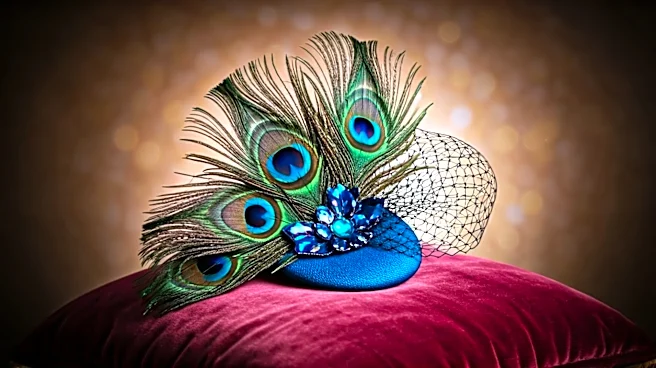
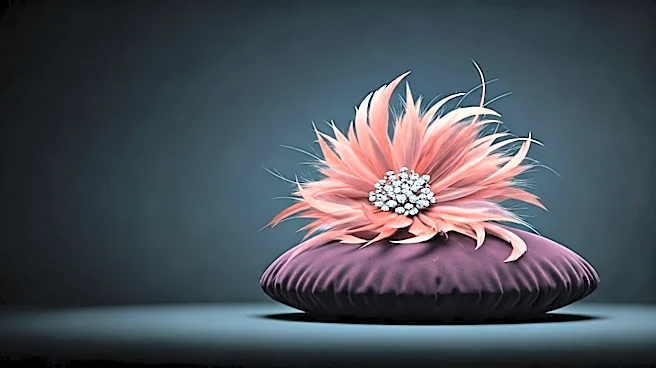
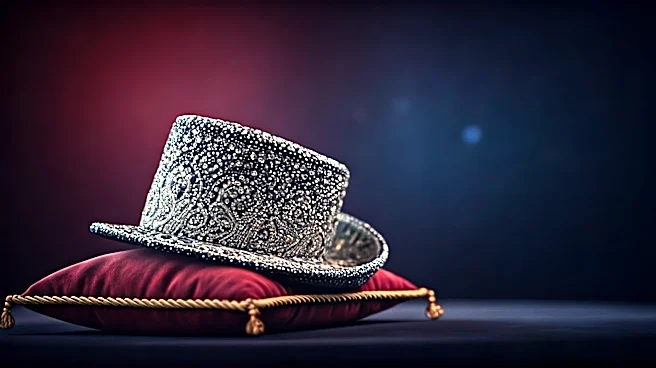
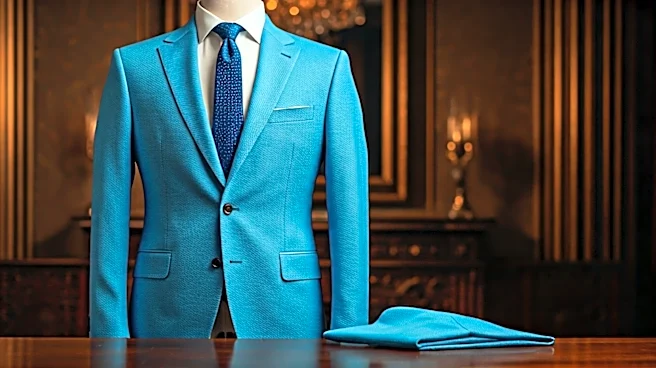
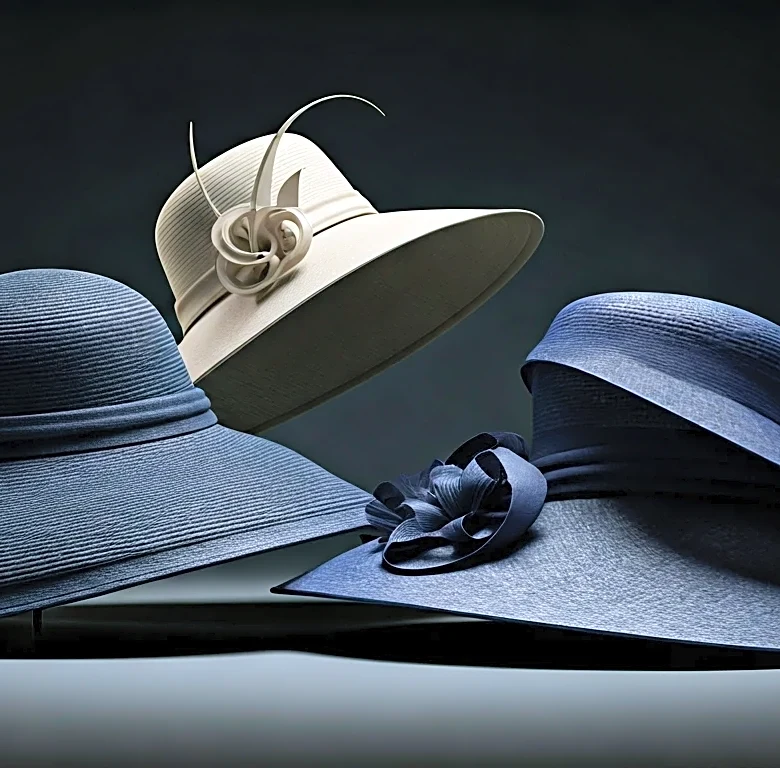
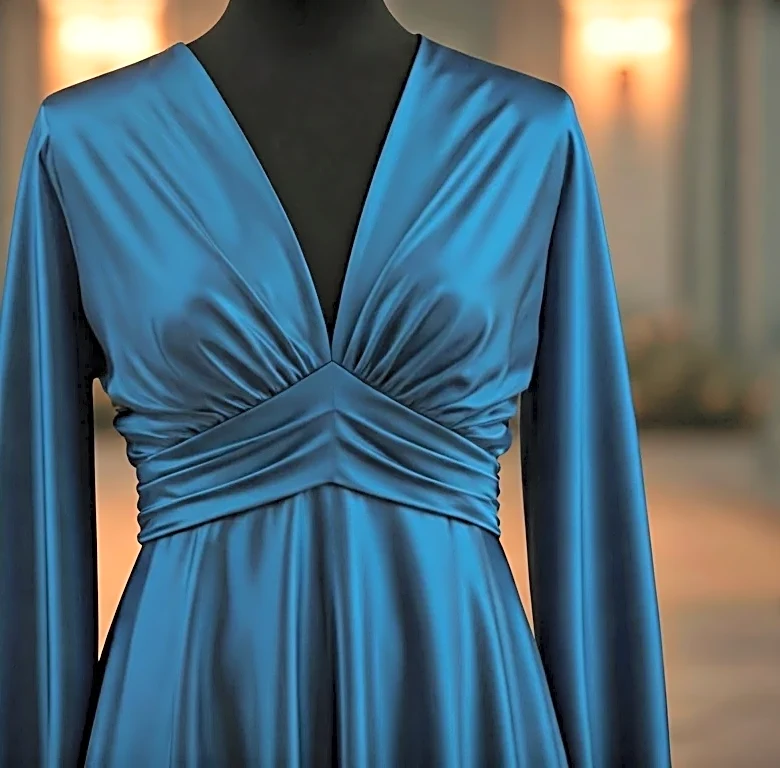
The secret to Ascot’s influence lies in its famously rigid dress code, which varies by enclosure. The most exclusive, the Royal Enclosure, has rules that are the stuff of legend. For women, dresses must have a modest neckline and fall to the knee or longer, with straps of at least one inch. The star of the show is the headpiece: a hat with a base of 4 inches or more is mandatory. For men, it’s strictly black or grey morning dress—top hat, waistcoat, and tie included. Other enclosures are slightly more relaxed, but the core principles of modesty and formality remain. This isn't just a suggestion; it's enforced by “style police” at the gates. This rulebook provides a clear, unambiguous definition of 'formal' that simply doesn’t exist in most other modern contexts. It forces a standard, preventing the casual creep that has overtaken so many other events.
A Trickle-Down Fashion Effect
This annual enforcement of sartorial discipline has a powerful ripple effect. When British people receive an invitation for a wedding, christening, or garden party with a 'formal' dress code, the unspoken reference point is often Ascot. The event sets the parameters for what is considered appropriate “occasionwear.” A fascinator might be fine for a wedding, but the knowledge that a 'real' hat is required for Ascot’s top tier sets a mental benchmark. The mandated knee-length hemlines and covered shoulders become the safe, default choice for any smart summer event. Designers and department stores across the UK launch dedicated “occasionwear” edits in the spring, filled with styles that conveniently meet Ascot’s requirements. They aren't just selling to racegoers; they're selling to anyone who needs to look smart, using Ascot as the ultimate style guide.
From Historical Anchor to Modern Runway
Ascot’s role as a style arbiter isn't new. In the 19th century, it was a stage for dandies like Beau Brummell to showcase sartorial perfection. In the 20th, it became a platform for royals like Princess Diana to make fashion statements. Today, it’s a curious mix of historical preservation and modern relevance. While upholding centuries-old traditions, the event is also a massive PR opportunity for designers and a content goldmine for Instagram influencers (operating within the rules, of course). The media frenzy around what attendees, particularly royals like the Princess of Wales, are wearing ensures Ascot remains in the public consciousness. It serves as both a living museum of British formality and a high-profile runway, demonstrating how to interpret those classic rules for a contemporary audience.