


Crafting the Unforgettable
Long before an artist hits the VMA red carpet, their teams are brainstorming. The goal isn't just to perform a song, but to create a 'moment'—a career-defining spectacle that will dominate conversation for days. This process involves the artist, their creative
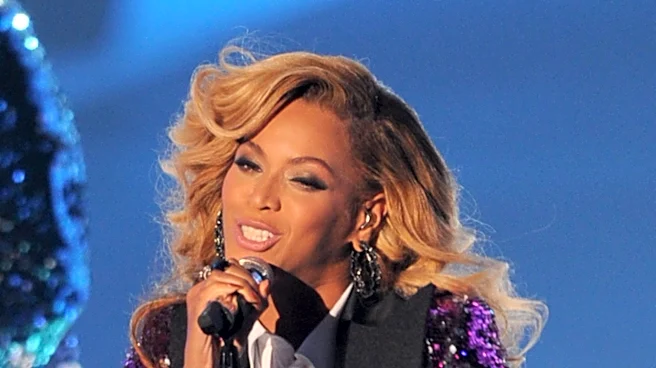
director, choreographers, and management. They decide on the core message: is it a rebrand, a political statement, a shocking reveal, or pure entertainment? Iconic VMA moments, like Beyoncé's 2011 pregnancy announcement or Lady Gaga’s 2010 meat dress, weren't just about the performance; they were powerful narrative tools. Gaga later explained her outfit was a statement about fighting for one's rights. These big swings are a VMA tradition, a high-stakes opportunity to cement a legacy or launch a new era in an artist's career in front of millions of viewers.
The Calculated Gamble
Once a concept is born, the public relations team steps in to war-game the potential fallout. Every viral moment is a calculated risk. Publicists analyze how a provocative performance, like Miley Cyrus's controversial 2013 twerking medley with Robin Thicke, will play with different demographics. They weigh the potential upside—surging album sales, a spike in media relevance, and cultural dominance—against the downside, which could include alienating fans or losing brand sponsorships. This strategic planning is an essential part of award show machinery. PR professionals work for months to position their clients, control the narrative, and manage media attention. The goal is to ensure that even if a moment is controversial, the artist emerges with a stronger brand and deeper audience connection.
Rehearsing More Than the Performance
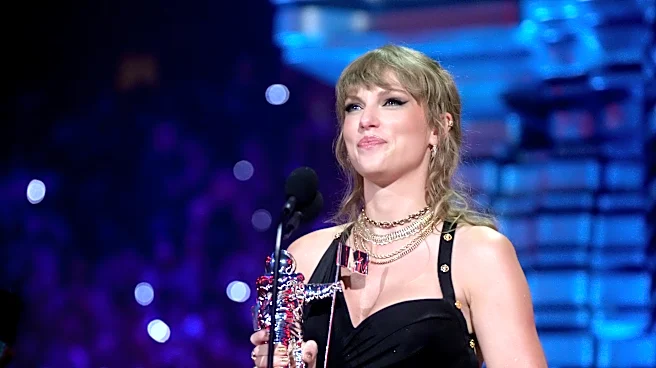
An artist's preparation extends far beyond dance steps and vocal warm-ups. A crucial component is media training for the aftermath. Artists rehearse answers to the tough questions they will inevitably face in the press room and on talk shows. For example, after Kanye West famously interrupted Taylor Swift's acceptance speech in 2009, both artists had to navigate the media frenzy that followed. Their teams would have prepared them for how to address the incident to either de-escalate or strategically prolong the narrative. This preparation includes drafting statements and even planning what might seem like spontaneous social media posts. The entire communications strategy is mapped out to ensure a consistent message across all channels, turning a high-pressure situation into a controlled storytelling opportunity.
The Real-Time Digital War Room
On the night of the VMAs, as the artist takes the stage, a different kind of performance begins online. A dedicated social media team operates in a 'war room' environment, monitoring audience reactions in real time. Their job is to steer the conversation. They have pre-made GIFs, video clips, and talking points ready to deploy the second the viral moment happens. They amplify positive commentary from fans and influencers, and they know when to engage with criticism or when strategic silence is the best response. This rapid-response capability is crucial for capitalizing on the surge of attention. Effective PR ensures that the buzz generated by the performance translates into long-term brand equity, using the moment as an asset in future messaging and campaigns.