




The Core Mistake: Under-Application
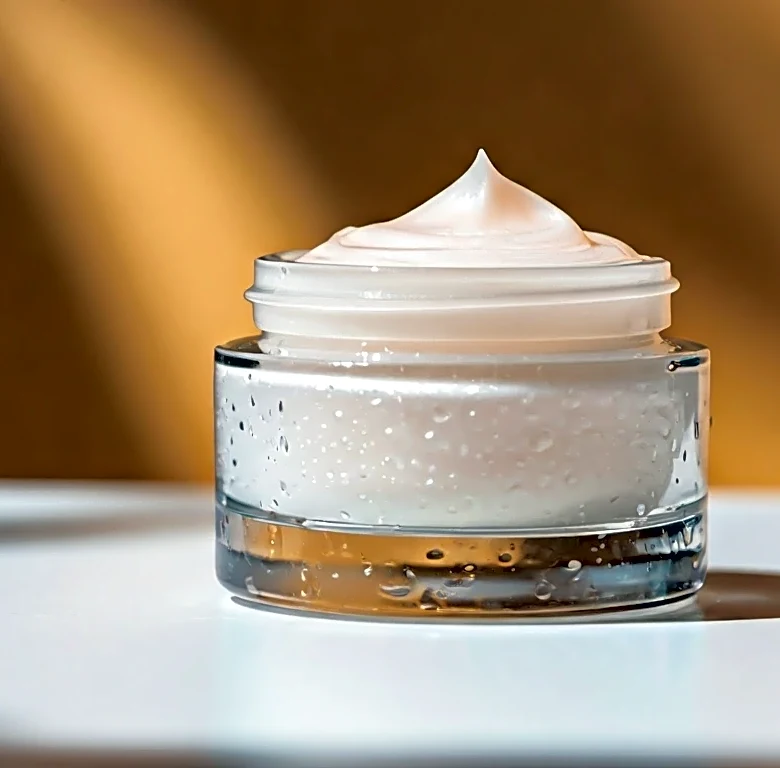
The single biggest error that makes your sunscreen fail is not using enough of it. Research consistently shows that most people apply only 25-50% of the amount of sunscreen required to achieve the level of protection stated on the bottle. This is especially
true with lightweight formulas. Products marketed as “invisible,” “weightless,” or “serum-like” feel so cosmetically elegant and absorb so quickly that it’s easy to believe a small amount provides full coverage. Unlike thick, white creams that offer a visual cue for where you've applied, these featherlight textures can trick you into spreading the product too thin. When you apply half the necessary amount, you don't get half the SPF; the protection level drops dramatically, leaving your skin vulnerable long before you'd expect.
The Solution: Follow the 'Shot Glass' Rule
To ensure you're properly covered, dermatologists and organizations like the Skin Cancer Foundation recommend a simple measurement: use one full ounce of sunscreen—the amount it takes to fill a shot glass—to cover the exposed areas of your body. If you're wearing a swimsuit, you'll need at least that much. Think of it as roughly two tablespoons. For individual limbs, a helpful guide is the “two-finger rule,” often used for the face. Squeeze a line of lotion along your index and middle fingers, and use that amount per arm. For larger areas like your back or both legs, you might need four fingers' worth. The goal is to apply a liberal, even layer. If you're using a spray, the rule is to spray until an even sheen is visible on the skin, then rub it in to ensure you haven't missed any spots.
The Second Error: Not Letting It Set
The other critical mistake is dressing too soon after application. Many modern sunscreens, particularly chemical formulas, need time to form a protective film on your skin. This process can take about 15 to 20 minutes. If you pull on your clothes immediately after slathering on your SPF, a significant amount of the product can rub off onto the fabric before it has a chance to properly absorb and become effective. This friction removes the protective barrier you just applied, creating gaps in your coverage and dramatically reducing your defense against UV rays. Mineral sunscreens, which create a physical barrier, are also susceptible to being rubbed off before they can evenly coat the skin.
The Fix: Wait It Out Before Dressing
The solution is simple but requires a little patience: make applying sunscreen the first thing you do after you shower and before you do anything else. Apply your full ounce of SPF to all exposed skin while you're still in the bathroom. Then, give it time to dry and absorb completely. Use these 15-20 minutes to brush your teeth, do your hair, or pick out your outfit. By the time you’re ready to get dressed, the sunscreen will have formed its intended protective shield. This small change in your routine ensures the product stays on your skin, not on the inside of your clothes, allowing it to work as designed throughout the morning.
Remember to Reapply for All-Day Protection
Even with perfect initial application, no sunscreen provides all-day protection with just one coat. The protective barrier breaks down over time due to sun exposure, sweat, and friction from clothing or towels. To maintain protection, you must reapply at least every two hours, and more frequently if you've been swimming or sweating heavily. Think of your morning application as your essential base layer of defense. The reapplication is what carries you through the afternoon, especially when the sun is at its strongest. For easier reapplication on the go, especially over clothes or on hard-to-reach areas, consider a high-quality SPF spray or stick as a supplement to your morning lotion.