



Boomers and Gen X: The 'Quiet Luxury' Stance
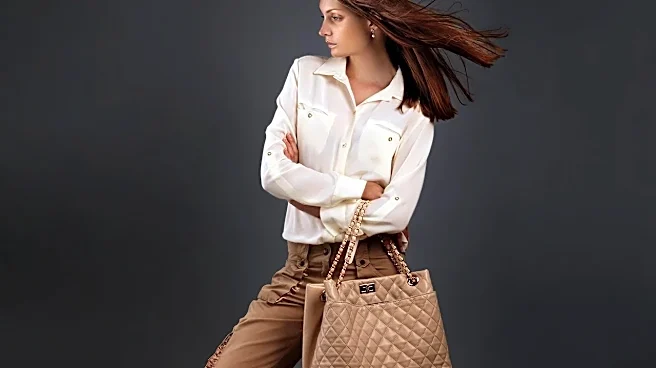
For many Baby Boomers and Gen Xers, the height of sophistication is clothing that speaks for itself through quality, not branding. This perspective, often dubbed 'quiet luxury,' values craftsmanship, fabric, and fit over any visible emblem. Having grown
up in a pre-digital world, their relationship with luxury was often defined by exclusivity and subtlety. The idea is that true class doesn’t need to announce itself; it's recognized by those in the know. For these generations, overt logos can feel like a gaudy attempt to buy status, preferring understated elegance that suggests confidence without the need for commercial validation. They tend to value reliability and durability, and their brand loyalty is often tied to a company's history and proven quality, not its marketing hype.
Millennials: Nostalgia, Status, and the In-Between
Millennials are the bridge generation in the logo debate. Coming of age during the first wave of logomania in the late '90s and early 2000s, they have a complex relationship with branding. For many, logos evoke a sense of nostalgia for the era of music videos, Juicy Couture tracksuits, and celebrity culture where brands were front and center. At the same time, having entered the workforce around the 2008 recession, they learned to be more discerning consumers. This experience created a split: some millennials reject obvious branding as a sign of trying too hard, while others embrace logos as a hard-earned symbol of professional success and stability. Unlike the generations before them, they were also the first to navigate the world of digital branding, making them fluent in the language of logos as both status symbols and ironic inside jokes.
Gen Z: Irony, Community, and Identity Curation
For Gen Z, a logo is rarely just a logo; it's a tool for self-expression. Having grown up entirely online, they view brands with a healthy dose of skepticism and a sharp eye for authenticity. For them, wearing a logo isn't necessarily about flaunting wealth. It can be an act of irony, a way to signal belonging to a specific subculture, or a nod to a brand whose social values align with their own. They are masters of mixing high and low fashion, pairing thrifted finds with designer pieces in a way that detaches the logo from its traditional meaning of pure status. In the age of social media, where personal identity is a curated project, a logo is just another element to play with—a symbol that can be adopted, remixed, or discarded depending on the message they want to send that day.
How Brands Navigate the Divide
Fashion brands are acutely aware of this generational split and often try to cater to all sides. A luxury house might release a collection featuring bold, all-over monogram prints to capture the logomania trend, while simultaneously offering minimalist, logo-free leather goods for the quiet luxury crowd. The resurgence of '90s styles, driven by Gen Z's love of vintage, has prompted brands like Tommy Hilfiger and Gucci to reissue iconic, logo-heavy pieces from their archives. Meanwhile, the rise of 'stealth wealth' aesthetics, popularized by media and a desire for timelessness, ensures that discreet items remain bestsellers. This dual approach allows brands to capitalize on the fleeting nature of trends while maintaining a connection with older, loyal customers who prefer a more classic look.