

The Show's Indispensable Ringmaster
When you think of the iHeartRadio Music Festival, you likely picture the dazzling lineup of performers, but the entire spectacle is anchored by its host. For years, that role has been synonymous with Ryan Seacrest, who serves as the event's master of ceremonies.
His job is to be the steady hand guiding a production that involves dozens of superstar acts, complex stage setups, and a broadcast reaching millions. More than a simple presenter, the main host is the festival's narrative glue. They set the tone from the opening moments, provide a familiar face for both the live T-Mobile Arena audience and viewers at home, and create a sense of cohesion across two nights of incredibly diverse musical genres. They are the consistent thread in a whirlwind of rock, pop, hip-hop, and country, making the entire event feel like a single, unified experience rather than a random sequence of concerts.
Masters of the Unplanned Moment
In live production, anything can happen. A guitar string breaks, a microphone fails, or a complex set change takes longer than expected. While roadies and stage managers scramble behind the scenes, the audience is left waiting. This is where a skilled host proves their worth. Those few minutes between acts are the most dangerous moments for a show's momentum. A host's primary function is to fill that dead air and make it feel intentional. They might jump in with an impromptu interview with an artist backstage, throw to a pre-taped package, or engage directly with the crowd. Their ability to effortlessly vamp, tell a story, or build anticipation for the next performance is a crucial tool for keeping the arena's energy from dipping. This skill ensures that even when things go wrong, the audience remains engaged and the show's pace never falters. It's a high-wire act performed without a net, turning potential lulls into memorable, unscripted moments.
The Bridge Between the Arena and the Couch
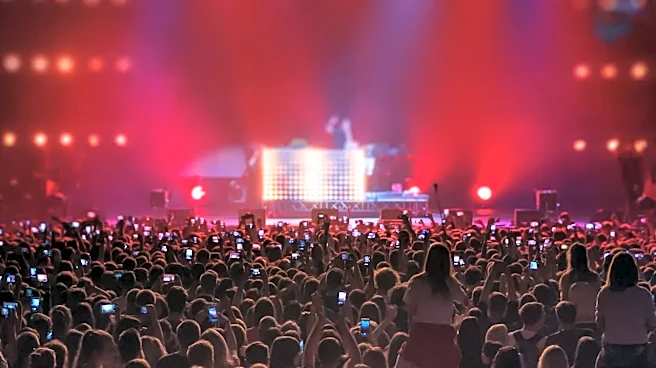
The iHeartRadio Music Festival isn't just for the 20,000 people in Las Vegas; it's a massive media event broadcast live on radio stations nationwide and streamed on platforms like Disney+ and Hulu. This creates a dual audience, and the hosts are tasked with speaking to both simultaneously. For the fans at home, the host provides essential context that the live audience doesn't need, framing the significance of a surprise collaboration or explaining the story behind a rising star. They are the viewers' guide to the festival. At the same time, they must remain present and energetic for the live crowd. This dual role extends to the army of celebrity presenters who introduce individual acts. These artists, actors, and media personalities add star power and create unique moments—like when Britney Spears introduced Miley Cyrus in a past festival—that become viral clips, extending the festival's reach far beyond the live broadcast.
The Human Hype Machine
Ultimately, a festival's success is measured by its energy. A host’s most vital, if unwritten, job description is to generate and sustain hype. They are the ones who officially kick off the party, welcome fans, and frame the upcoming performances as can't-miss events. Their introductions are more than just a name check; they are a vital endorsement designed to get the crowd on its feet. By interacting with fans, pointing out celebrities in the audience, and sharing backstage anecdotes, they create a shared, inclusive experience. They make the massive arena feel more intimate and transform a concert into a genuine event. Without their constant work to build and maintain excitement, the iHeartRadio Music Festival could feel like a long, disjointed playlist. Instead, with their guidance, it becomes a dynamic, unforgettable weekend of music.