





The Seductive Rush of the Crowd-Pleaser
There’s an undeniable magic to a film that unites an audience. Whether it’s a soaring musical, a perfectly executed thriller, or a gut-wrenching drama, the crowd-pleaser offers a powerful, shared emotional experience. It’s what drives the breathless first
reports from a festival, the talk of surefire Oscar contenders, and the nine-minute ovations. These films are often masterfully crafted to deliver satisfaction. They resolve their tensions, pay off their emotional setups, and send audiences out feeling complete. Take a film like 2019’s Golden Lion winner, Joker. It was an explosive cultural event and a massive commercial success, fueled by a compelling lead performance and a visceral, accessible story. Yet, its conversation often feels locked in the moment of its release. Crowd-pleasers provide a fantastic high, but like any sugar rush, the energy can dissipate, leaving less to chew on once the initial excitement fades.
The Slow Burn of the Divisive Masterpiece
On the other side of the festival are the films that leave audiences arguing on their way out of the theater. These are the challenging, often formally daring works that get branded as “difficult” or “slow.” They might feature ambiguous endings, minimal dialogue, or themes that deliberately provoke discomfort. Their initial reception is often a mix of confusion, frustration, and passionate defense from a small but ardent group of critics and viewers. These films don't offer easy catharsis; they offer a puzzle. They demand patience and an active mind, asking the audience to fill in gaps and question what they’re seeing. This kind of cinematic fermentation means the film's true flavor deepens over time. It’s a process that can’t be rushed, and it’s why a film that was initially met with shrugs or even boos can eventually find its way into the canon.
Why Puzzles Endure and Satisfaction Fades
The key difference lies in what each type of film leaves behind. A great crowd-pleaser is a self-contained object; it gives you everything you need and asks for little in return. A challenging film, by contrast, is an invitation to a conversation that continues long after the credits roll. Its ambiguities and unresolved questions force us to revisit it, mentally and literally. The ideas it plants might take years to fully bloom, often becoming more relevant as the cultural landscape shifts. A film that feels alienating in one era can feel prescient in the next. Think of past Venice winners like Chloé Zhao's Nomadland—a quiet, contemplative film whose emotional resonance has only grown, versus more explosive winners whose immediate buzz was louder. The films that last are often the ones that don't just reflect our world but require us to re-examine it, a task that’s rarely comfortable or immediately satisfying.
The Festival as the First Draft of History
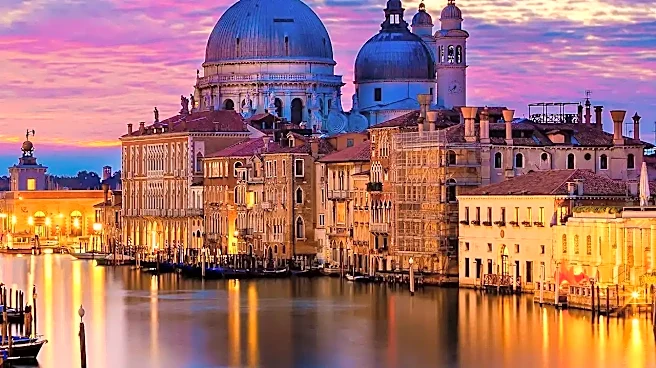
Ultimately, a film festival is not the final verdict on a movie’s worth; it's the chaotic, exciting first draft of its cultural history. The awards, the buzz, and the immediate reactions are just the opening chapter. While studios and audiences often chase the next big, universally loved hit, the true test of a film's importance is its staying power. As the 82nd Venice Film Festival unfolds, it’s thrilling to spot the potential crowd-pleasers. But it’s just as important to pay attention to the films that confound, divide, and challenge the audience. The movie that gets a polite but puzzled reception might just be the one that cinephiles are still dissecting, celebrating, and teaching in film schools twenty years from now. True legacy isn't won in a single standing ovation—it's earned over years of sustained relevance and debate.