






5. The Family Stone (2005)
This film is a masterclass in weaponized awkwardness, and the blocking is its primary tool. Director Thomas Bezucha constantly uses the tight confines of the Stone family home to illustrate who is an insider and who is an outsider. When the tightly-wound
Meredith (Sarah Jessica Parker) first arrives, she's physically isolated in frames, often stiffly observing the family's casual, overlapping movements from a distance. The dinner table scene is a legendary piece of cringe comedy, where the camera and character placement amplify every painful silence and misguided comment. On rewatch, you notice the subtle shifts: characters literally move closer to people they're aligning with, creating visual teams and rivalries in real time. The blocking tells you everything you need to know about the shifting alliances long before the dialogue does.
4. National Lampoon's Christmas Vacation (1989)
If 'The Family Stone' is about psychological space, 'Christmas Vacation' is about the hilarious lack of physical space. The film's rewatch value comes from its escalating chaos, which is choreographed like a slow-motion train wreck. Early on, the blocking is manageable—just the core Griswold family. But as more relatives arrive, the frames become increasingly cluttered. Director Jeremiah Chechik packs people onto couches, into hallways, and around a comically oversized tree to create a sense of claustrophobic madness. A rewatch reveals how brilliantly the background action tells its own stories. While Clark Griswold is having his main meltdown, you can spot Uncle Lewis and Aunt Bethany wandering into their own small pockets of chaos, or Cousin Eddie just observing it all. The final SWAT team invasion is the ultimate punchline: the house, already at maximum capacity, is breached by an external force, making the visual pandemonium complete.
3. It's a Wonderful Life (1946)
Frank Capra was a master of using crowds to reflect a character's state of mind, and his magnum opus is a perfect example. The blocking in 'It's a Wonderful Life' is all about community versus isolation. In the film's joyful moments, like the high school dance or the bank run where townspeople pool their money, Capra fills the screen with bodies moving together, visually representing the communal spirit of Bedford Falls. George Bailey (Jimmy Stewart) is often at the center of these bustling frames, the literal heart of his town. But when George is at his lowest, the blocking isolates him. In the nightmarish Pottersville sequence, he's frequently alone in the frame or pushed to the margins, with wide, distorted angles making the world feel alienating. The final scene, where the whole town crams into his living room, is the ultimate payoff, a tidal wave of humanity that visually affirms the film's core message: no man is a failure who has friends.
2. Home Alone (1990)
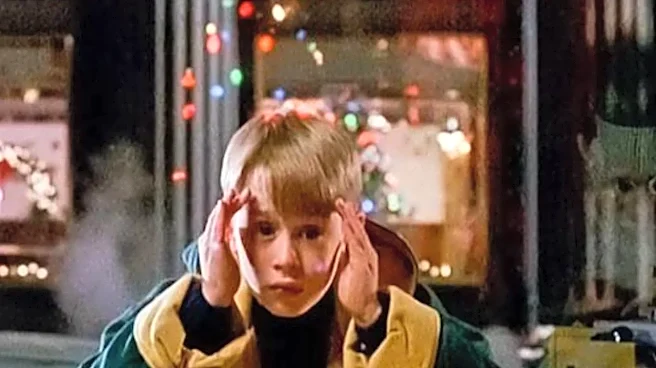
The opening sequence of 'Home Alone' is one of the greatest exercises in controlled chaos ever put to film. Director Chris Columbus uses frantic, weaving camera movements and precise blocking to introduce the entire McCallister clan in a flurry of activity. Characters run in and out of frame, talk over each other, and create a sense of overwhelming domestic bedlam that perfectly justifies how a child could be left behind. The blocking isn't just messy; it's story. It establishes hierarchies (Buzz's dominance, Kevin's isolation) and plants seeds for later plot points. The rewatch value is immense, as you start to track individual family members through the chaos, catching little interactions you missed. This masterful opening contrasts sharply with the static, empty shots of the house once Kevin is alone, using the absence of the ensemble to create a totally different feeling of quiet and possibility.
1. Love Actually (2003)
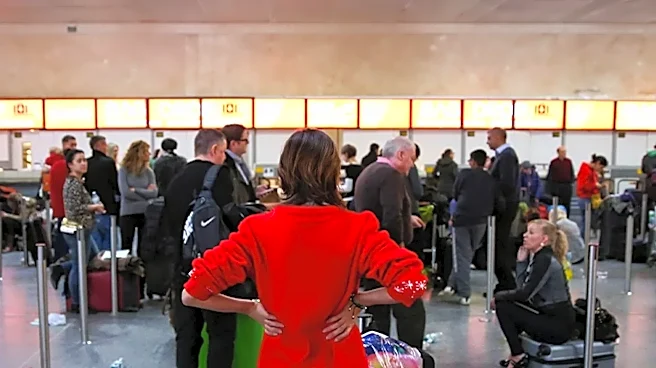
No film on this list is more defined by its ensemble structure than 'Love Actually,' and its blocking is the glue that holds its sprawling narrative together. The opening and closing scenes at Heathrow Airport are the film's visual thesis statement. Director Richard Curtis uses real, unstaged footage of people greeting each other and mixes it with the movements of his actors, creating a seamless tapestry of human connection. The camera finds little vignettes of emotion in the crowd, mirroring the film's structure. But the sharp blocking choices extend throughout. Think of the office Christmas party, where characters' intersecting storylines bring them into the same physical space, or the school Christmas pageant, which unites multiple plot threads. Even the famous airport chase, where young Sam dodges security, is a brilliant piece of kinetic blocking that uses the architecture of the space to build excitement. More than any other holiday film, 'Love Actually' uses the simple act of people moving toward or away from each other to generate its enormous emotional power and endless rewatch value.