








The King's Man and His Code
The story of Ascot’s dress code really begins not with a king, but with a king's friend: George “Beau” Brummell. In the early 1800s, Royal Ascot was already a prestigious horse race, but it was Brummell, a legendary dandy and close confidant of the Prince
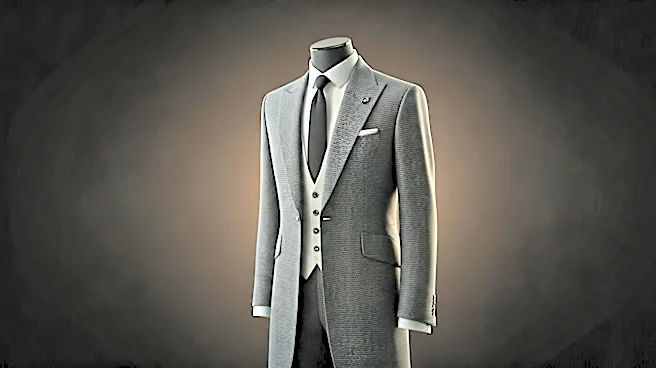
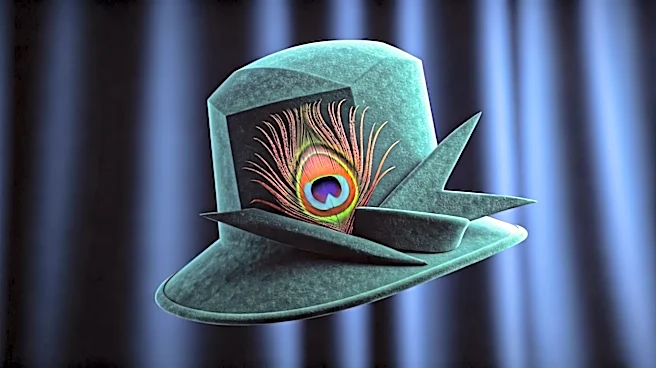
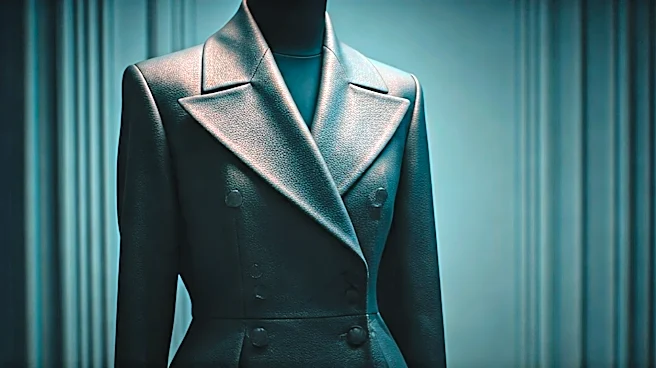
Regent (the future King George IV), who single-handedly invented the modern suit. He decreed that men of style should abandon the frills and silks of the 18th century for impeccably tailored, understated dark coats, full-length trousers, and pristine white cravats. His influence was so immense that his style became the de facto uniform for gentlemen at the most exclusive events. The Royal Enclosure, the most prestigious section of the racecourse, was established during this period, and to get in, you had to look the part. Brummell's rules for morning dress—a formal suit for daytime events—became the foundation of the men's code that, with minor tweaks, persists to this day with its requirement for a waistcoat, tie, and top hat.
Victorian Morality and Royal Reinforcement
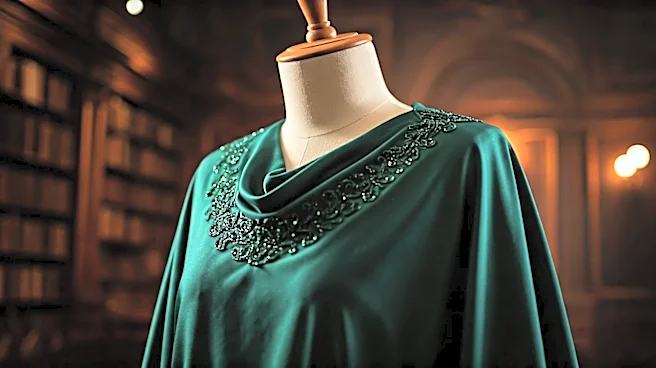
After the freewheeling Regency era, Queen Victoria’s reign brought a new sense of sobriety and formality to British society. Her presence solidified Ascot as a cornerstone of the summer social season. The dress code became an explicit tool for social gatekeeping. Entrance to the Royal Enclosure was by invitation only, and your attire was a clear signal of your class and respect for the Crown. For women, this meant modest, floor-length dresses, gloves, and, of course, hats. Fashion was elaborate but constrained. The death of Prince Albert in 1861 cast a long shadow, with the Queen's perpetual mourning attire influencing the often somber and formal styles seen at the event. This era cemented the idea that being at Ascot, particularly in the Royal Enclosure, meant participating in a performance of respectability directly in the monarch's line of sight.
The 20th-Century Fashion Rebellion
The real “drama” of the headline kicked into high gear in the 20th century, as fashion began to move faster than royal decrees. After World War II, Christian Dior’s “New Look” was embraced, but it was the 1960s and ’70s that presented the biggest challenge. The miniskirt arrived, sending organizers into a panic. In 1971, Ascot officially introduced its first detailed, publicly available dress code to combat rising hemlines and what officials saw as declining standards. The rules were a direct reaction to the cultural revolution happening outside the racecourse walls. Trouser suits for women were another major battleground. For years, they were forbidden in the Royal Enclosure, seen as far too informal and revolutionary. It wasn't until the 1970s that they were finally permitted, a major concession to the changing realities of womenswear. Each decade brought a new skirmish, with officials constantly playing whack-a-mole with trends deemed inappropriate.
Modern Rules and Millennial Scrutiny
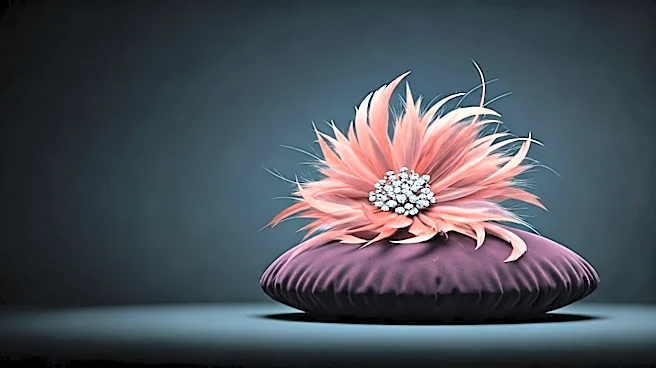
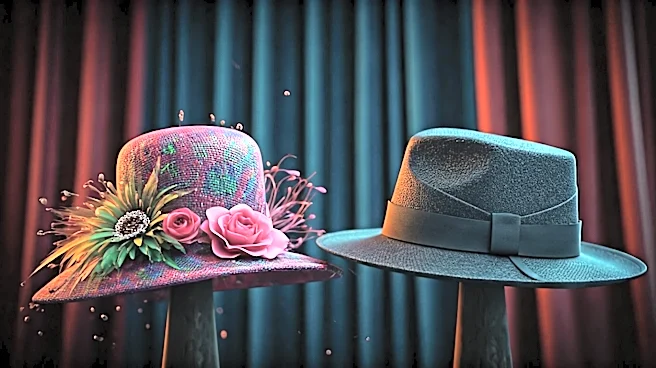
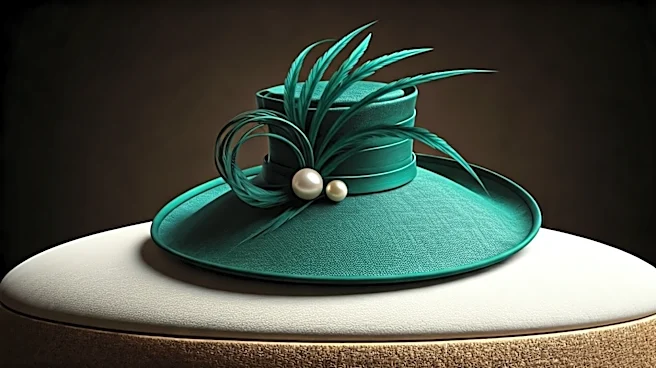
Today, the dress code is a highly specific, multi-page document that changes almost annually. The battle has shifted to new frontiers. In 2012, organizers famously declared war on the fascinator—the small, often feathered headpiece beloved by many, including Kate Middleton—banning them from the Royal Enclosure in favor of hats with a solid base of at least four inches. The move caused an uproar among racegoers and designers alike. More recently, Ascot has adapted to modern style by officially permitting jumpsuits (as long as they are full-length) and, in a nod to gender fluidity, allowing men and women to adhere to whichever dress code they feel most comfortable with. Yet every year brings a new micro-scandal, whether it's a social media influencer in a barely-there dress or a debate over strapless styles. The drama is now less about outright rebellion and more about navigating the fine line between personal expression and centuries-old tradition.