





The Stage for a Perfect Farewell
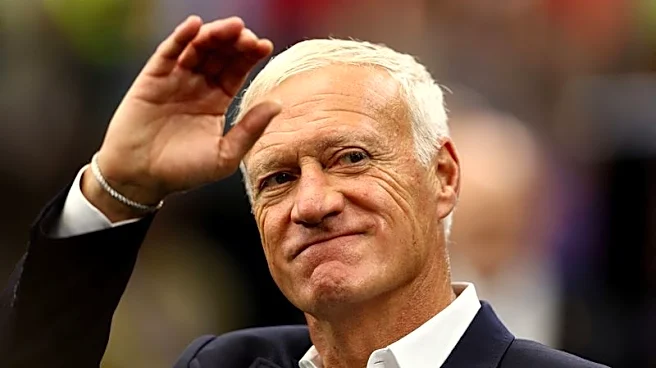
To understand the shock, you first have to appreciate the storybook narrative that was unfolding. Zinedine Zidane, the elegant French-Algerian maestro, was already a global icon. A World Cup winner in 1998, a European champion in 2000, and a legend for
clubs like Juventus and Real Madrid, he was widely seen as one of the greatest to ever play the game. He had even come out of international retirement to drag a struggling French team to the 2006 World Cup final. Throughout the tournament, he was magnificent, playing with a grace and vision that defied his 34 years. He scored a crucial penalty in the semifinal to see off Portugal, setting up a final clash with Italy in what he announced would be the very last match of his professional career. Everything was perfectly in place for a storybook ending: the retiring hero leading his nation to glory one last time.
110 Minutes of Grace, One Second of Madness
For 110 minutes of the final, Zidane played his part beautifully. He opened the scoring with an audacious chipped penalty just seven minutes in. But after Italy equalized, the game remained deadlocked, a tense affair stretching into extra time. Then, with penalties looming, the script was violently torn apart. Following an exchange of words with Italian defender Marco Materazzi as they jogged up the field, Zidane suddenly stopped. He turned, lowered his head, and drove it forcefully into Materazzi's chest, sending the Italian crashing to the ground. The referee, Horacio Elizondo, initially missed the incident, but after consulting with his officials who had seen the replay, he brandished a red card. In the 110th minute of his final game, Zidane was sent off.
The Fallout and the Whispers
The image of Zidane walking past the gleaming World Cup trophy on his way off the field became one of the most iconic and tragic in sports history. France, now without their leader and best penalty taker, went on to lose the subsequent shootout. The world was left stunned, asking one question: why? In the days and years that followed, the story slowly pieced itself together. Materazzi, after being repeatedly tugged by the shirt, admitted he made a crude comment about Zidane’s sister after Zidane sarcastically offered to give him his jersey after the match. While Materazzi maintained his words were “stupid” but not deserving of that reaction, Zidane later said he was not proud of his action but that it was a response to an insult against his family.
A Legacy, Redefined
So, did the headbutt destroy Zidane’s legacy? The answer is more complex than a simple yes or no. It certainly did not erase his greatness. He is still revered for his sublime skill, his two goals in the 1998 final, and that legendary volley in the 2002 Champions League final. However, the 2006 final irrevocably changed how his legacy is understood. It added a dark, violent, and intensely human layer to the myth of the perfect artist. The incident confirmed what was always there beneath the surface: Zidane was a man of both sublime genius and raw, combustible aggression. It didn’t make him any less of a legend; it made him a more complicated one. The headbutt became a permanent part of his story, a moment that ensured he would be remembered not just as a flawless icon, but as a flawed, tragic hero.