





More Than Just Pretty Dresses
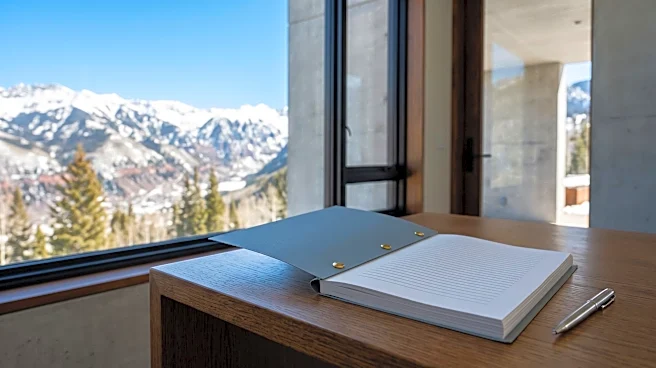
When a new period film premieres at the Telluride Film Festival, audiences are often swept away by the grandeur of a bygone era. Yet, the costumes that fill the screen are doing far more than just looking authentic. They are a fundamental part of the cinematic
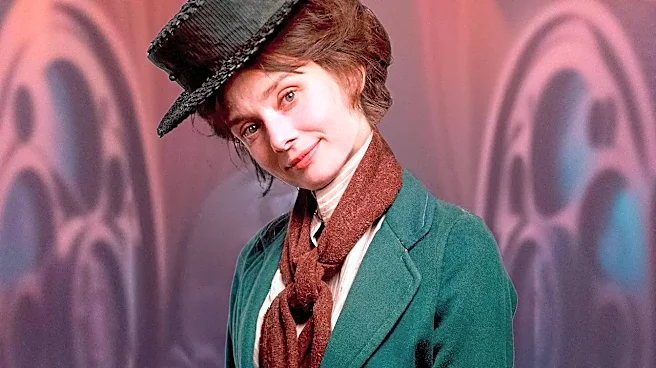
language, a tool for storytelling that works on a subconscious level. Costume designers are, in essence, character architects who build people from the outside in. According to experts, their work is crucial for establishing the tone, atmosphere, and believability of the world the director aims to create. A somber, muted color palette can signal a world of repression and grief, while vibrant, rich fabrics can convey opulence and societal power. It's a discipline that requires a deep understanding not just of fashion history, but of human psychology.
Weaving Character From Thread
Before an actor utters a single line, their costume has already told you who they are. A frayed cuff on a gentleman's otherwise fine suit might hint at declining fortunes. The subtle shift in the color of a character's gowns throughout a film can mirror her journey from innocence to experience. Costume designers work intimately with actors and directors to use clothing to express personality, social standing, and emotional state. It’s a process of discovery, where details like a pocket watch or the fit of a dress help refine how a character moves, feels, and is perceived. This non-verbal storytelling is especially powerful in the context of a film festival, where viewers are intensely focused on every detail. At a place like Telluride, an audience of cinephiles and industry insiders is primed to appreciate this level of artistry, recognizing it as a key component of a standout performance.
The Telluride Effect: Authenticity as Buzz
Telluride is known for its discerning audience and its role as a launchpad for awards season. Unlike festivals driven by red carpets, Telluride’s focus is on the art of film itself, creating an environment where craftsmanship is intensely scrutinized and celebrated. In this setting, the authenticity of a period piece is paramount. Meticulous costume design can generate significant buzz, signaling that a film is a serious contender. Designers immerse themselves in historical research, consulting paintings, letters, and museum garments to get the details right. However, it's rarely about creating a perfect replica. As celebrated costume designer Jacqueline Durran has noted, period costumes can never be entirely “pure” because they are ultimately made for a modern audience and serve a narrative purpose. The goal is to create something that feels emotionally and historically true, even if liberties are taken.
The Balance of History and Imagination
The greatest period costumes strike a delicate balance between historical accuracy and creative interpretation. Designers must decide when to adhere strictly to the clothing of an era and when to bend the rules to serve the story. For example, while the corsets in a show like “Bridgerton” might not be perfectly accurate in their depiction of undergarments and tight-lacing, they effectively communicate the social pressures placed on the female characters. The choice of fabric, the methods of construction, and even the way a garment is aged are all decisions that contribute to the film’s unique visual identity. This creative process turns clothing into character, helping to immerse both the actor and the audience in the world on screen. It’s this thoughtful blend of research and artistic vision that allows a film to leave a lasting mark, not just at Telluride, but throughout its entire run.