






The Marvel Blueprint
For over a decade, the Marvel Cinematic Universe (MCU) perfected a recipe for global box office domination. It’s a formula we know by heart: a charismatic but flawed hero, a heavy dose of self-aware humor, a relatively straightforward three-act structure,
and a climactic, city-leveling CGI battle. This template, blending action with sitcom-style banter, didn’t just make stars out of Iron Man and Captain America; it became the default language of blockbuster filmmaking. Its success was so absolute that it created an expectation. Audiences knew what they were getting, and for years, that was a good thing. But after dozens of films and streaming series, what was once a winning formula is now starting to feel like a creative straitjacket. The quips sound familiar, the stakes feel repetitive, and a growing sense of “superhero fatigue” has settled over audiences.
The DCU's Mandate for Change
Enter James Gunn and Peter Safran, the new architects of the DC Universe. Their mission isn’t just to make successful movies; it’s to make different movies. Gunn, who ironically helped perfect the Marvel model with *Guardians of the Galaxy*, has been vocal about his strategy: let the characters and stories dictate the genre, not the other way around. He envisions a DCU where a Superman film can be an optimistic workplace drama, a Batman film a gritty street-level noir, and a Swamp Thing movie a full-blown gothic horror. This philosophy is a direct challenge to the one-size-fits-all approach. Instead of forcing every character into the same mold, Gunn wants to build a universe of diverse tones and styles. The ultimate test case for this ambitious vision? Kara Zor-El, a.k.a. Supergirl.
Not Your Cousin's Supergirl
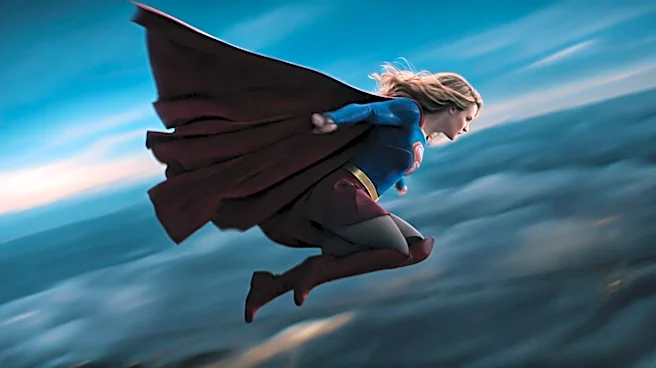
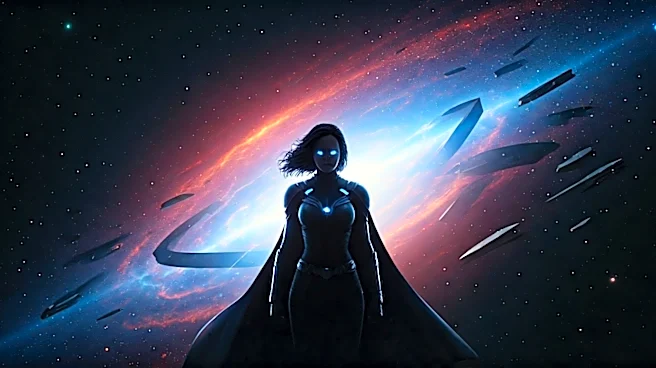
The upcoming film, *Supergirl: Woman of Tomorrow*, is based on a celebrated 2021 comic series by Tom King and Bilquis Evely. This is crucial, because this version of Supergirl is a world away from the sunny, optimistic hero often portrayed as Superman’s younger, slightly less powerful cousin. King’s Supergirl is fundamentally different. Having spent her formative years on a fragment of Krypton, she watched everyone she knew die horribly before she finally made it to Earth. She is a survivor of profound trauma, hardened and weary. When the story begins, she’s celebrating her 21st birthday by getting drunk alone in a bar on a remote alien planet. She is jaded, angry, and adrift. This isn’t a story about saving Metropolis; it’s about a broken person trying to find a reason to keep going.
A Sci-Fi Epic, Not a Superhero Flick
The key to breaking the Marvel template is to stop making a “superhero movie” and start making something else entirely. *Woman of Tomorrow* is less *The Avengers* and more *True Grit* in space. The plot kicks off when a young alien girl named Ruthye seeks a bounty hunter to avenge her father’s murder. Instead, she finds Supergirl. Together, they embark on a gritty, interstellar journey across the galaxy to hunt down the killer. It’s a space western, a road trip, and a meditation on justice, grief, and what it means to be “super” in a universe that is anything but. The action is brutal and personal, not an anonymous CGI swarm. The dialogue is poetic and mournful, not a string of pop-culture-laced one-liners. By leaning into a different genre, Gunn has the opportunity to deliver a film that feels completely fresh, using a well-known character as the vehicle for a more mature, artistically ambitious story.
The Risk and the Reward
This approach is not without risk. Mainstream audiences are conditioned to expect a certain kind of experience from a character with an “S” on her chest. Will they embrace a more contemplative, psychologically complex Supergirl? Can a film that prioritizes theme and character over spectacle and quips still deliver as a blockbuster? That’s the central challenge. However, the potential reward is immense. A successful *Supergirl: Woman of Tomorrow* wouldn’t just launch a new franchise; it would prove that the superhero genre has room to evolve. It could validate the idea that these modern myths can support any kind of story—from horror to sci-fi epic—and finally offer a true alternative to the formula that has dominated pop culture for so long. It’s a bet on artistic integrity over market-tested safety, and its outcome could define the next decade of superhero cinema.