
The Communal Scare vs. The Private Binge
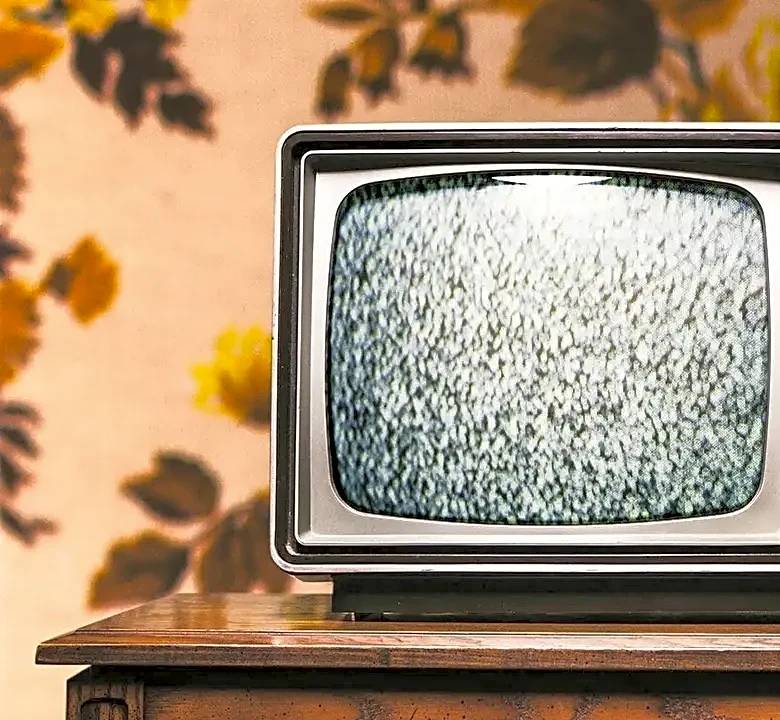
Classic Halloween TV was an event. Whether it was “It’s the Great Pumpkin, Charlie Brown” or a TV movie of the week, you watched it when it aired, along with millions of others. This created a shared cultural experience, with commercial breaks acting
as built-in tension diffusers and snack-run opportunities. The conversation happened the next day at school or work. Streaming flips the script entirely. The experience is solitary and on-demand. Platforms like Netflix and Shudder release entire seasons at once, encouraging binge-watching that cocoons the viewer in a world of horror for hours or days. The discussion moves online to forums and social media, happening in real-time as people consume at their own pace. Classic TV’s strength was its power to create a collective memory; streaming’s is its ability to provide an intense, personalized, and immediate fix.
Suggestive Spooks vs. Unflinching Terror
Broadcast standards of the ‘70s, ‘80s, and ‘90s meant that classic TV horror had to be creative. With limits on gore and violence, writers and directors relied on atmosphere, suggestion, and psychological dread. A scary movie airing on ABC might have extra scenes added to pad the runtime for a TV slot but would have other elements censored. The fear came from what you didn't see—the noise upstairs, the shadow in the corner, the unnerving phone call. Streaming, by contrast, has no such constraints. This freedom allows for a level of graphic and thematic intensity that was unthinkable on network television. Modern streaming horror can be as brutal, explicit, or psychologically harrowing as its creators envision, from the visceral shocks of “Terrifier 2” to the complex, adult dread of Mike Flanagan's series. The old way excelled at the slow-burn, all-ages creep factor, while the new way thrives on pushing boundaries and delivering undiluted frights.
The Gentle Gateway vs. The Niche Deep Dive
For generations of kids, Halloween TV specials were the entry point to the entire horror genre. Animated classics like “Garfield’s Halloween Adventure” or live-action fare like “Mr. Boogedy” were spooky but safe, designed for family viewing and to sell products. They were a taste of the forbidden, packaged for mass appeal. This is where classic TV truly shines: as a gentle, nostalgia-soaked introduction to the thrills of being scared. Today, streaming services, particularly dedicated platforms like Shudder, serve the opposite function. They aren’t for beginners; they are for converts. They operate as expertly curated libraries for horror aficionados, filled with sub-genres like folk horror, Giallo classics, and extreme indie films that would never find a mainstream audience. Streaming’s superpower is catering to the hyper-specific tastes of the dedicated fan, offering a seemingly endless rabbit hole of horror history and new, challenging content.
Comforting Nostalgia vs. Confronting Modern Anxieties
There's a reason we rewatch “The Simpsons' Treehouse of Horror” episodes from 30 years ago. Classic Halloween content often functions as a “psychological weighted blanket,” a source of comforting nostalgia that connects us to our past. It’s predictable, warm, and represents a simpler time. The scares are familiar, the resolutions are neat, and the feeling is one of seasonal comfort. Much of today’s prestige streaming horror does the opposite. Shows like “The Haunting of Hill House” or “Severance” use the horror framework for novelistic storytelling, exploring deep themes of grief, trauma, faith, and systemic dread. These stories aren't meant to be comforting; they are designed to be challenging and unsettling, reflecting contemporary anxieties in ways that often linger long after the credits roll. Classic TV offers an escape into a cozy past, while the best streaming horror forces a confrontation with the uncomfortable present.