







The Disappearance of Genre
One of the most telling moves in 2026 was the quiet removal of the “Best Rock” category. After a nearly four-decade run that started with “Best Heavy Metal Video” in 1989, the genre was absorbed into the broader “Best Alternative” field. This wasn't just
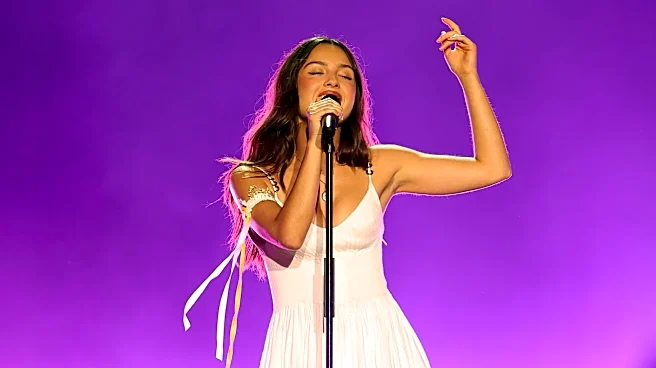
a simple consolidation. The nominees for Best Alternative—ranging from Olivia Rodrigo to Machine Gun Kelly and Tame Impala—show a complete redefinition of the genre into a pop-adjacent catchall. At the same time, categories like “Best Afrobeats,” which were present last year, also vanished from the initial nominee list. The strategy is clear: rigid genre lines are less important than broad, cross-platform appeal. By dissolving distinct genres like rock and Afrobeats into malleable fields or removing them entirely, MTV can nominate bigger, more social-media-friendly stars who may not fit a traditional genre mold but command massive online audiences.
Chasing Global Virality
While some genres shrink, others are solidified to capture global trends. The continued prominence of “Best K-Pop” is a key example. It recognizes the massive, highly engaged fanbases of groups like BTS and Blackpink, whose online voting power is a major asset for a show that relies on social media buzz. The introduction of social-only voting categories for “Best Group” and “Song of Summer” on Instagram further reinforces this strategy. These categories aren't just about honoring music; they are a mechanism to drive online engagement. The nominees for Best Group include a mix of K-pop acts, Latin groups, and Western bands, creating a battlefield for hyper-dedicated online fan armies. This focus on fan-voted, socially-driven awards shows that MTV's priority is less about curating a definitive statement on music quality and more about generating traffic and trending topics.
All Hail the A-List
The 2026 nominations are dominated by established megastars. Madonna leads with a staggering 13 nominations, followed closely by Taylor Swift with 11. This isn't accidental. Categories like “Artist of the Year” and “Video of the Year” are stacked with household names like Ariana Grande, Bruno Mars, and Sabrina Carpenter. This focus on legacy and current A-listers serves a crucial purpose: guaranteeing viewership. Securing performances and attendance from the world's biggest stars ensures media coverage and tunes-in from their massive fanbases. Furthermore, MTV even created a new honor, the “Artist Director Honors,” for Taylor Swift, ensuring she would not only attend but also leave with a record-breaking 31st VMA. This strategy prioritizes star power over discovery, framing the VMAs as a celebration of the music industry's ruling class.
The Return of Dance and Longform
After a seven-year hiatus, the “Best Dance” category made a return, featuring nominees like Lady Gaga, Harry Styles, and Doechii. Its comeback, along with the social category for “Best Long Form Video,” points to another strategic shift. As music videos evolve from three-minute clips into cinematic short films and visual albums, these categories allow MTV to reward ambitious, high-production projects. Madonna's 14-minute “Confessions II – The Film” and Taylor Swift's “The Fate of Ophelia” are perfect examples of the epic, narrative-driven content these categories are designed to honor. This acknowledges that for many top-tier artists, the “video” is no longer just a promotional tool but a central artistic statement, and MTV wants to remain the premiere destination for celebrating that evolution.