




1. Master the Micro-Scare on TikTok
Short-form video is your best friend. Platforms like TikTok and Instagram Reels thrive on quick, impactful content that doesn’t require a massive production budget. Instead of a traditional trailer, create a series of six to 15-second clips. Focus on a single
unsettling image, a creepy sound design, or a 'found footage' style snippet that hints at the larger story. Recent successes like 'Skinamarink' demonstrated that a film's entire aesthetic and buzz can be built through short, shareable, and often user-generated clips that create an atmosphere of dread and mystery long before a single ticket is sold. The key is consistency and creating content that feels native to the platform.
2. Embrace the 'Is This Real?' Campaign
The ghost of 'The Blair Witch Project' still haunts film marketing for a reason: it works. By treating the film's premise as a real event, the filmmakers created a cultural phenomenon on a shoestring budget. In 1999, they used a basic website with fake police reports and listed the actors as "missing, presumed dead" on IMDb. Today, this strategy can be adapted using mock social media profiles for characters, 'leaked' evidence on Reddit forums, or even a simple, cryptic website that lets audiences piece together the mystery themselves. The goal is to blur the lines and turn viewers into investigators, generating organic buzz through debate and speculation.
3. Execute a Surgical Guerilla Stunt
Guerilla marketing relies on high-impact, low-cost, unconventional tactics to generate buzz. For the movie 'It,' red balloons were tied to sewer grates across cities—a simple, creepy, and instantly shareable image that cost next to nothing but created immense social media chatter. For 'Hereditary,' creepy dolls were left outside the hotel rooms of tastemakers who had attended an early screening, generating shock and conversation. Think about your film's central iconography. What's one striking, slightly unsettling image you can bring into the real world to make people stop, take a picture, and ask, "What is this for?"
4. Cultivate Niche Horror Communities
Horror isn't one-size-fits-all. Fans of slashers, supernatural horror, and psychological thrillers congregate in different corners of the internet. Identify the subreddits (like r/horror), podcasts, and YouTube channels dedicated to your specific subgenre. Instead of paying a fortune for a mainstream influencer, partner with trusted micro-influencers in these spaces. Provide them with exclusive clips, early screeners, or behind-the-scenes access. This targeted approach, seen with the 'Terrifier' franchise's use of horror site Bloody Disgusting, ensures your message reaches the most dedicated fans, who then become your most passionate evangelists.
5. Turn Your Poster Into a Viral Asset
In a world of endless scrolling, a single, striking image can be more valuable than a dozen trailers. Don't treat your poster as an afterthought; treat it as your primary visual weapon. Good poster design for horror is less about showing the monster and more about creating a mood, asking a question, or presenting a cryptic image that demands a second look. The campaigns for films like 'Longlegs' proved that a compelling aesthetic and memorable iconography could drive conversation and ticket sales almost entirely on their own, selling the 'look' of the film even more than the plot.
6. Weaponize the Festival Circuit
A strategic film festival run isn't just for securing distribution; it's a powerful marketing tool. Good reviews, audience awards, and even controversy from a festival screening can create the first wave of word-of-mouth. Plan your social media to amplify every bit of festival news. A single clip 'leaking' from a festival screening can sometimes generate more buzz than a polished marketing campaign, as was the case with the viral horror hit 'Skinamarink.' The key is to treat your festival premiere as the starting gun for your public-facing campaign, not the finish line of production.
7. Create an Alternate Reality Game (ARG)
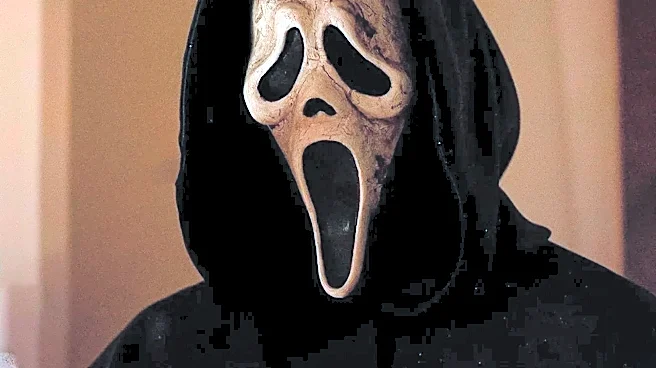
An ARG is an interactive narrative that uses the real world as its platform, perfect for a genre built on suspense and discovery. This is a level up from the 'Is This Real?' strategy. The marketing for 'Scream' created a fictional TikTok account for a Woodsboro teen, letting fans follow a story that unfolded in real-time and tied into the movie's universe. An ARG can involve scavenger hunts for clues online, cryptic voicemails, or websites for fictional companies from your film's world. It's a way to deeply engage your most dedicated fans and give them a story they can participate in.
8. Focus on Hyper-Local Buzz
Instead of trying to reach the whole country at once, focus your limited resources on making a huge splash in one or two key markets. Partner with local horror-themed businesses, like escape rooms or haunted attractions. Host a special premiere in a town that has a local legend similar to your film's plot. Building intense, concentrated buzz in a single area can create a ripple effect, making your film feel like a regional phenomenon that the rest of the country needs to know about.
9. The Power of Practical Effects
In an era of CGI, audiences have a deep appreciation for practical effects. Showcasing the artistry behind your creature design, gore effects, or makeup can become a marketing pillar. Share behind-the-scenes videos and photos of your effects team at work. This not only gives you a steady stream of engaging, low-cost content but also builds respect and anticipation within the horror community, which deeply values the craft. It's a way to celebrate your film's budget limitations and turn them into a strength.
10. Leverage a 'Pay What You Can' Model
While not strictly a marketing tactic, an innovative distribution strategy can generate its own publicity. Consider a limited digital release with a 'Pay What You Can' model for the first 24 hours, or partner with an indie theater for a one-night-only screening where tickets are free. This removes the financial barrier for entry, encourages sampling, and can generate significant goodwill and word-of-mouth. The story becomes about access and generosity, a narrative that can cut through the noise of traditional release campaigns.