




The Look: Luster vs. Shadow
The most immediate difference between satin and velvet is how they play with light. Satin is all about shine. It’s defined not by its fiber, but by its specific weave, which creates long, floating threads on the surface. These floats act like a smooth,
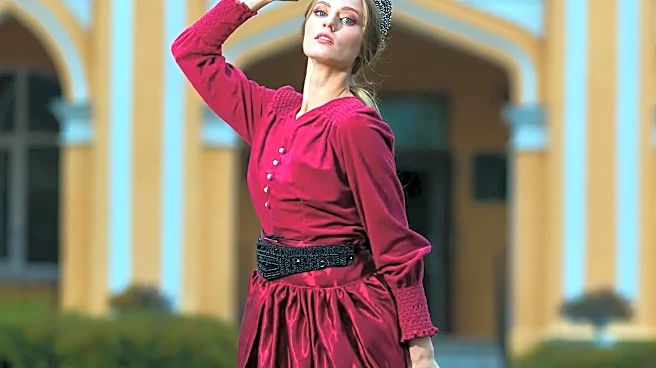
unbroken mirror, reflecting light to create a glossy, almost liquid luster. This is what gives a satin gown its show-stopping, glamorous quality. Velvet, on the other hand, is defined by its pile—a dense forest of short, upright fibers. This pile absorbs light rather than reflecting it, creating a look of profound depth and rich, saturated color. Instead of a bright sheen, velvet has a soft, glowing quality that shifts as the fabric moves. While satin announces itself with a flash of light, velvet commands attention with a quiet, confident depth.
The Vibe: Sleek Modernity vs. Old-World Romance
Each fabric brings a distinct personality to an evening look. Satin's sleek surface and fluid drape give it a modern, glamorous, and often sexy feel. Think of sharp, bias-cut slip dresses that skim the body or structured gowns with architectural elegance. It's the fabric of choice for red-carpet events and black-tie affairs where a polished, high-shine statement is the goal. Velvet exudes a different kind of allure: one rooted in history, romance, and opulence. Its plush texture and deep color payoff lend it a regal, almost vintage quality. Associated with nobility for centuries, velvet brings a sense of luxury and warmth to an outfit. It's the perfect choice for a holiday party or a winter wedding, suggesting cozy sophistication and timeless elegance. While satin feels cool and contemporary, velvet feels warm and nostalgic.
The Feel: Cool Glide vs. Plush Comfort
How a fabric feels against your skin is a huge part of the experience. Satin is known for its smooth, cool, and silky glide. It’s lightweight and moves with the body, making it comfortable for long evenings of dancing. The fabric's structure allows it to drape beautifully without feeling heavy. Velvet offers a completely different tactile experience. It is dense, plush, and instantly communicates softness and warmth. The weight of velvet is more substantial than satin, which contributes to its luxurious and cozy feel, making it an ideal choice for colder months. Its inherent structure can also be quite flattering, often smoothing the silhouette. Wearing velvet is an invitation to be touched; its plushness is as appealing to the hand as it is to the eye.
Practicality: Season, Setting, and Care
Your choice might also come down to logistics. Velvet is significantly warmer due to its dense pile, making it a natural fit for autumn and winter events. Satin, being lighter, is more versatile and can be worn year-round, though it’s especially popular for spring and summer occasions. When it comes to durability, the fabrics present different challenges. Satin's smooth surface is prone to snagging, and its unforgiving shine can highlight every wrinkle or water spot. Velvet's enemy is pressure; its pile can be crushed or bruised, leaving permanent marks. Both fabrics often require careful handling and cleaning. Dry cleaning is typically recommended for velvet to preserve its texture, while some modern satins can be gently hand-washed.
The Verdict: How to Choose for Your Night
So, which fabric wins? The answer depends entirely on the story you want to tell. Choose Satin if you're aiming for a look that is modern, glamorous, and high-impact. It’s perfect for a sleek, body-conscious silhouette, a formal gala, or any event where you want to catch the light and turn heads. Choose Velvet when you desire an aura of romance, luxury, and sophisticated warmth. It's the ideal fabric for a holiday party, a formal winter event, or when you want your outfit to feel as rich and comfortable as it looks.