




The Comfort of the Familiar Cut
For decades, the primary tool in a horror marketer’s arsenal was fear. Campaigns were designed to shock, disturb, and intrigue audiences with the promise of a novel terror. But a funny thing happened on the way to the haunted house: the ghosts of horror past
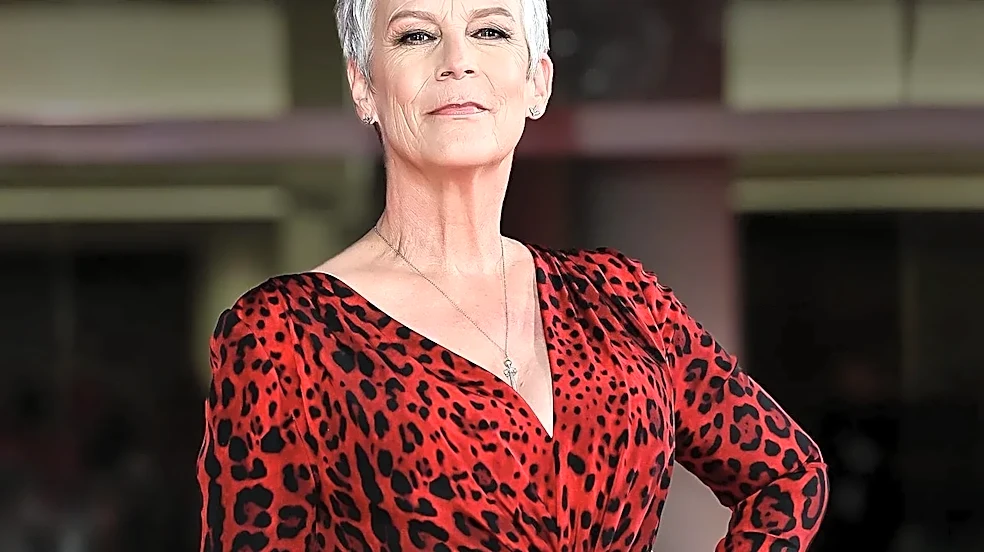
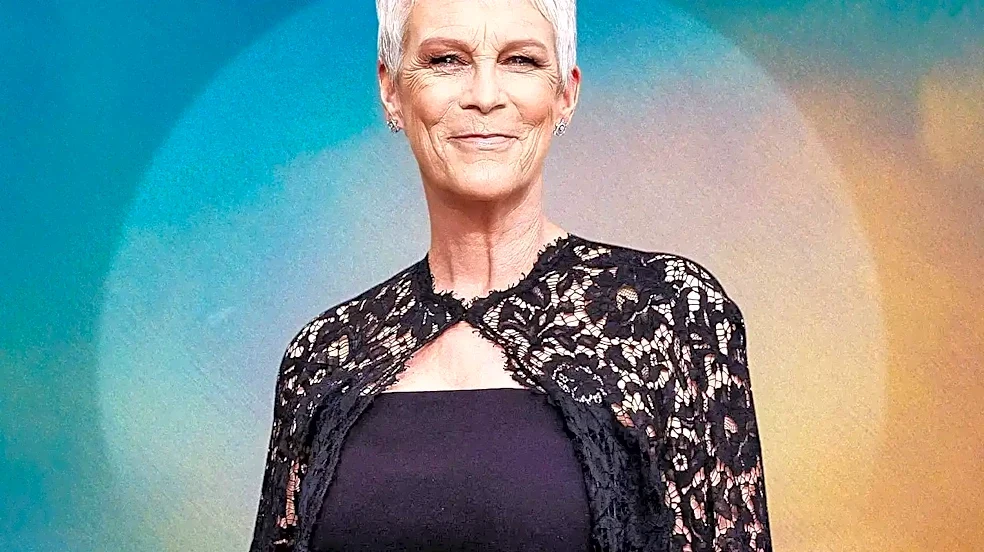
became beloved cultural icons. Freddy Krueger, Ghostface, and Michael Myers are no longer just figures of dread; they are familiar faces. This shift has led to a pivot in marketing, where the primary emotion isn't fright but a fond remembrance. Legacy sequels and reboots, from 'Halloween' to 'Scream,' are now marketed like class reunions, albeit with a much higher body count. The campaign for a new installment might focus as much on the return of a fan-favorite final girl as it does on the killer she's facing, tapping into a pre-existing emotional connection.
Marketing to the Millennial Memory
A major driver of this trend is a simple demographic reality: millennials are now the target audience. This is the generation that grew up during the slasher boom of the ‘80s and the meta-horror wave of the ‘90s. For them, these franchises aren't just movies; they are formative childhood memories. Marketers understand that nostalgia is a powerful psychological tool, capable of creating an instant emotional bond. By centering a campaign around a 30-year-old horror property, studios can activate a built-in audience that craves the comfort of the familiar. Campaigns for products like Fanta have successfully partnered with nostalgic horror icons like Chucky and Beetlejuice, recognizing that Gen Z and millennials are drawn to these retro touchstones. It’s less about selling a new scare and more about validating a shared cultural experience.
The Psychology of a Safe Scare
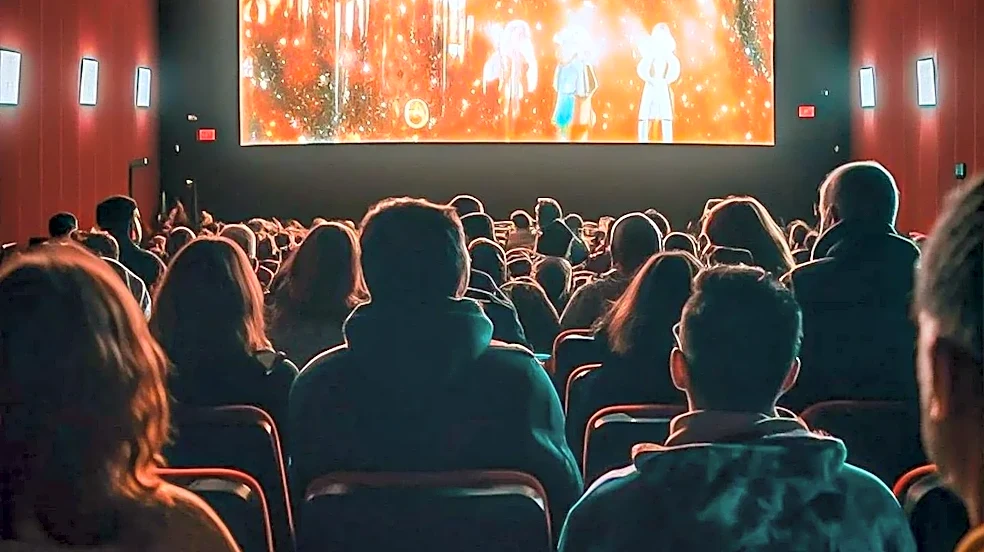
There's also a deeper psychological component at play. The world is often a scary place, and for many, the appeal of horror lies in its ability to provide a 'safe fear.' You can experience the adrenaline rush of a life-or-death struggle from the safety of your couch. Nostalgic horror takes this a step further. It presents a fear you’ve already conquered. You know the rules of a 'Scream' movie; you know Michael Myers always gets back up. This familiarity transforms the experience from one of pure anxiety into something more akin to a thrilling rollercoaster ride. It’s a controlled chaos that provides comfort and excitement simultaneously. This allows marketers to promise a fun, communal event rather than a psychologically taxing ordeal, broadening the film's appeal beyond hardcore horror fans.
The Business of Bringing Back the Boogeyman
Finally, the shift from fear to nostalgia is driven by cold, hard economics. Launching a completely new horror franchise is a high-risk gamble. For every 'Paranormal Activity' that becomes a low-budget blockbuster, there are countless original horror films that fail to find an audience. Reviving a known property is a much safer bet. Franchises like 'Halloween,' 'Saw,' and 'The Conjuring' are reliable revenue streams. A studio executive knows that a built-in fan base will show up for the opening weekend out of sheer curiosity and affection for the original. This nostalgia-driven model de-risks the investment. The marketing doesn't need to convince you to care about a new monster; it just has to remind you how much you loved the old one. This strategy has proven so successful it has become an industry cheat code, ensuring these iconic killers will continue to be resurrected for years to come.