



A Crowning Achievement in Las Vegas
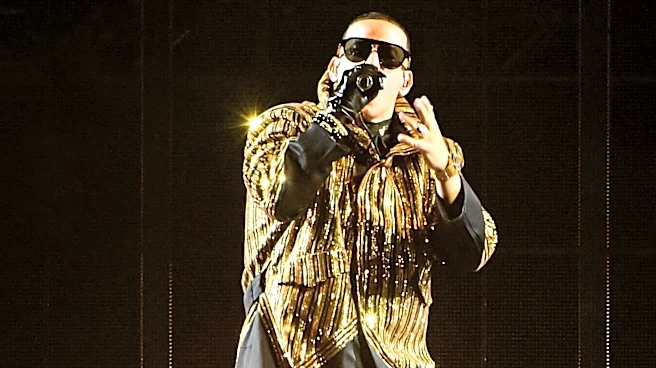
The renewed buzz around Daddy Yankee's classic tracks isn't just random nostalgia; it's anchored to a major career honor. The Latin Recording Academy named him its 2026 Person of the Year, a tribute to his three-decade career and his role in globalizing
reggaeton. The award will be presented at a special gala on November 11 in Las Vegas, during the week of the Latin Grammy Awards. The event will feature an array of artists performing his songs, cementing his status not just as a hitmaker, but as a foundational pillar of modern Latin music. In his own words, receiving the honor is about more than a successful career; it's a recognition of 'years of discipline, struggle, faith and commitment to our culture' and a tribute to the generation that embraced reggaeton when 'no one else understood it'.
Before 'Gasolina', There Was the Underground
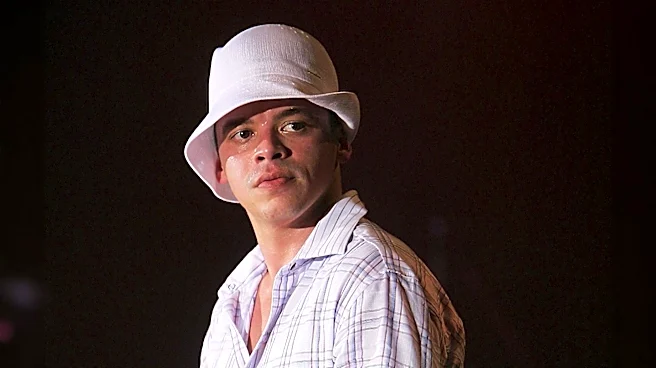
To understand Daddy Yankee’s impact, you have to go back further than his 2004 global smash. In the 1990s, he was a key figure in San Juan’s burgeoning underground scene, appearing on DJ Playero's influential mixtapes. At the time, this new sound—a blend of Spanish-language rap, Jamaican dancehall rhythms, and hip-hop—was often stigmatized and even banned for its explicit lyrics. But it was in this environment that Ramón Ayala, the aspiring baseball player turned musician, honed his craft. He moved from imitating other rappers to developing his own unique flow over the 'dembow' beat, effectively becoming one of the first artists to perform what we now know as reggaeton. These early tracks were raw and unfiltered, capturing the realities of life in the barrios of Puerto Rico.
The 'Barrio Fino' Blueprint
If the underground built the foundation, the album 'Barrio Fino' built the empire. Released in 2004, it was a cultural and commercial watershed moment. The album didn't just contain 'Gasolina', the song that famously broke reggaeton into the global mainstream; it was a complete artistic statement. Tracks like 'Lo Que Pasó, Pasó' became massive anthems in their own right, dominating Latin radio and parties. Produced by future legends like Luny Tunes, the album was the first reggaeton record to debut at number one on the Billboard Top Latin Albums chart, eventually becoming the best-selling Latin album of the 2000s. More than just a collection of hits, 'Barrio Fino' created a blueprint for the genre, proving that reggaeton could produce cohesive, blockbuster albums that fused street grit with commercial appeal.
The Echo in Today's Latin Music
The legacy of Daddy Yankee’s early work is not just historical; it’s audible in the music of today's biggest Latin stars. Artists who followed, from J Balvin to Bad Bunny, built upon the global path he bulldozed. His willingness to collaborate and elevate rising artists became a hallmark of the genre's kinship, fostering a community where a pioneer would actively help the next generation succeed. The fusion of high-energy beats with catchy, melodic hooks, the blend of rap flows with sung choruses, and the unapologetic celebration of Caribbean and urban culture—all these elements, perfected on albums like 'Barrio Fino', remain core components of Latin urban music. When younger generations, particularly Gen Z, stream 'Barrio Fino' by the millions today, they're not just listening to old-school classics; they're hearing the DNA of the music that defines their own era.