
The Forecast: Seeding a Color
Long before a designer even sketches a collection, the color story begins. This initial phase is dominated by trend forecasting agencies like WGSN and the Pantone Color Institute. These groups act as the industry's
intelligence units, analyzing everything from global art exhibitions and political movements to social media data and tech innovations. They don't invent trends out of thin air; they synthesize cultural shifts into predictable color palettes. For instance, WGSN partners with its sister company, Coloro, to name a “Color of the Year,” while Pantone’s annual announcement becomes a major media event. These forecasts, often made 18-24 months in advance, provide the foundational language for the entire industry, giving designers and brands a shared starting point.
The Runway: Validating the Vision
Runway shows are where abstract forecasts get their first real-world test. High-fashion designers take the forecasted color directions and interpret them through their unique creative lenses. A forecaster might predict a move toward earthy greens, but it’s the designers who decide whether that becomes a flowing sage gown or a sharp olive blazer. Fashion Week serves as a powerful validation engine; when multiple influential designers feature a similar color, it signals to the rest of the industry that the trend has legs. However, the clothes on the runway are often conceptual marketing tools, designed to generate buzz rather than be sold directly. Their primary job is to create the “wow” factor that gets the industry and, eventually, consumers excited about a new color story.
The Merchandiser's Mission: Translation for Retail
This is where the merchandiser becomes the crucial link. While a fashion buyer's role is primarily to select and purchase the products a store will sell, a merchandiser’s job is more strategic. They are the architects of the collection, deciding how to translate the high-fashion vision into a profitable reality for their specific customer. A merchandiser asks critical questions: Will our customer actually wear this vibrant runway teal? How does it fit with the black pants and denim they already own? They analyze sales data from past seasons, consider regional preferences, and work to create a balanced collection. They might adopt a bold runway color as an accent for accessories or a single blouse, while using a more approachable version of the shade for core items like sweaters and dresses. Their goal is to marry the designer’s vision with the company's financial goals.
From Palette to Product: The Production Race
Once a merchandiser finalizes the color palette for a season, the race against the clock begins. They work with buyers and product developers to get the colors right, sourcing fabrics and sending color standards to factories. This stage is a logistical maze with significant lead times. Traditional apparel production can take anywhere from 8 to 22 weeks, depending on the complexity of the garment. A basic t-shirt is much quicker to produce than a tailored coat. This long window is why forecasting is so essential; brands are placing bets on colors months before the products will ever hit stores. Factors like factory schedules and international holidays (like Chinese New Year) can add further delays, making precise planning critical.
The Store Floor: Crafting the Narrative
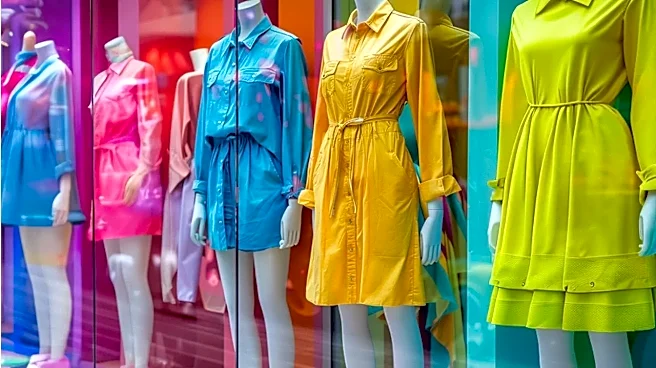
The final step is presenting the color to the consumer. This is the realm of visual merchandising, where the color story comes to life in-store and online. A visual merchandiser uses color strategically to create moods and guide the customer's eye. They might group all the items in that season's key color together for a powerful front-of-store display, style it on mannequins to show customers how to wear it, and work with the marketing team to feature it in ad campaigns. The goal is to make the trend feel both exciting and accessible, transforming a forecasted concept into a desirable product that shoppers are eager to take home. When done well, it creates a seamless experience where the color simply feels right for the season.