

The Shrinking Main Event
Once, the measure of an awards show's success was simple: how many millions of people tuned in? By that metric, the VMAs have been on a roller coaster. While viewership has seen ups and downs over the years, the overall trend for most major awards shows
has been a steady decline from their heyday. In 2025, the VMAs drew just over 5.5 million viewers, a significant increase from previous years but still a fraction of what major TV events once commanded. The reality is that the target audience for an MTV event—young, online, and mobile-first—is the least likely to sit through a three-hour broadcast filled with commercials. Everything is immediate now, with YouTube and TikTok completely changing how music is consumed visually. Recognizing this, Paramount, MTV's parent company, stopped treating the live broadcast as the only product and started treating it as a content factory.
From Broadcast to Distributed Brand
The modern VMA strategy isn't about getting everyone to watch TV. It's about dominating the internet for a 72-hour cycle. The entire event is engineered to be chopped up, clipped, and shared across every social platform imaginable. The show now airs live on CBS, MTV, and streams on Paramount+, but its real audience is on TikTok, X (formerly Twitter), and Instagram. A Paramount executive noted this multi-platform approach makes the show 'uniquely multigenerational,' blending cutting-edge artists with legends to create a collision of music discovery and history on one stage. This isn't just about survival; it's a deliberate pivot from appointment viewing to what the industry calls 'distributed content.' Success is no longer measured solely by Nielsen ratings but by a new set of data: social impressions, engagement rates, and how many moments become a trending topic. The goal is to ensure the VMA brand is inescapable, even if you never see the stage.
Engineering the Viral Moment
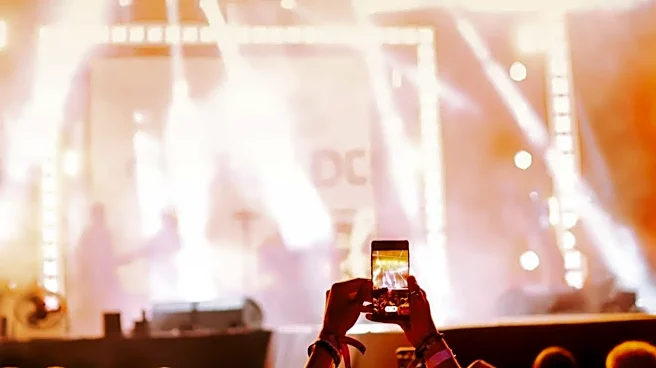
Nothing at the VMAs is an accident. Every surprise performance, candid-looking celebrity reaction shot, and shocking fashion choice is produced with a second life online in mind. The production itself is a technological marvel, with multiple stages, hidden lifts, and flying camera systems designed to create dynamic, six-second clips perfect for social media. Even the fan experience is part of the strategy. MTV has partnered directly with TikTok to create exclusive award categories like 'Best Breakthrough Song' and 'Best Audio Mashup,' voted on and celebrated on the platform itself. This approach turns viewers into active participants and marketers. When a moment is designed to be clipped and shared, the audience does the promotional work organically. It's a feedback loop: the show creates moments for the internet, and the internet amplifies the show's relevance.
The New Definition of a Win
If the live broadcast is just one piece of the puzzle, how does Paramount measure the full picture? The answer lies in data far beyond viewership. In 2024, the VMAs generated over 66 million social media interactions. The 2025 show saw a billion video views and over 81 million engagements across official accounts. Analytics firms now track cross-platform audience footprints, combining Spotify streams, YouTube views, and social media follower growth to measure an artist's impact, which is a far more holistic view than TV ratings alone. This strategy also creates new revenue opportunities. Brands eager to reach a Gen Z audience that shuns traditional ads can sponsor these viral moments, embedding their products directly into the cultural conversation. By turning the VMAs into a 'cultural moment' rather than just a broadcast, Paramount offers advertisers relevance that a 30-second spot can't buy.