




The Deception of the Open Coat
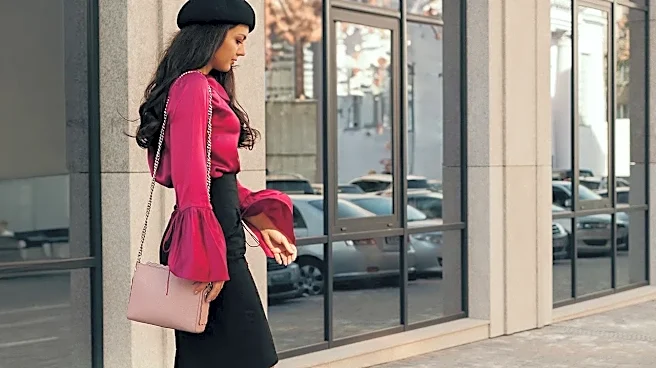
An unzipped coat is a stylist’s trick, whether you realize it or not. When left open, it creates two long, vertical lines down the front of your body, an effect that is almost universally flattering and elongating. It allows the outfit underneath—the
one you so carefully curated—to remain the star of the show. That cute sweater, the cinched waist of a dress, or the print of your blouse are all on full display. But this is an illusion, a temporary state that exists only indoors or on the mildest of days. The moment you step into the biting wind and zip up for warmth, that flattering frame disappears, and the coat itself becomes the outfit. If you haven't planned for that moment, the entire look can collapse.
The Reality Check of Proportion
When a coat is zipped, it creates a new silhouette, and the proportions of what’s underneath are dramatically altered. That wide-leg trouser that looked so chic with a tucked-in knit can suddenly appear truncated and bulky when a hip-length puffer is closed over it. A sleek dress that gives you a great shape might be completely lost under a straight-cut wool coat, making your entire frame look boxy. The key is to analyze how the coat’s final, closed shape interacts with the small parts of your outfit that are still visible—primarily the sliver of pants or skirt at the bottom and your shoes. Are the lines harmonious? Does a short, cropped coat cut you off at an awkward spot when paired with low-rise pants? Does a long coat overwhelm your frame? Zipping it up forces you to confront these proportion questions honestly.
Winning the Battle Against Bulk
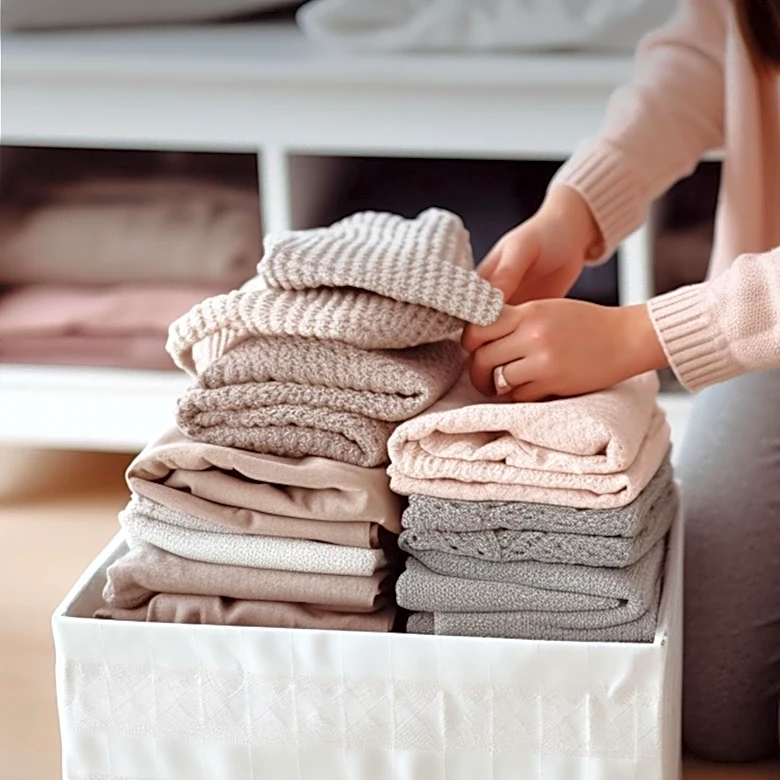
Layering is the art of winter, but it's also where things often go wrong. A chunky, oversized sweater might feel like the pinnacle of cozy fashion on its own, but trying to zip a tailored coat over it can be a struggle. The result is often restricted movement in the shoulders and a compressed, stuffed feeling that is anything but comfortable. The 'hug test' is a great way to check this: zip the coat and try to wrap your arms in front of you as if giving a hug. If you feel significant strain across the back or shoulders, the fit is wrong. Effective winter layering focuses on smarter, thinner layers. A merino wool base layer and a cashmere sweater, for example, can provide more warmth with less volume than a single bulky acrylic knit, allowing your coat to close smoothly without making you look and feel like a marshmallow.
A Guide to Different Coat Styles
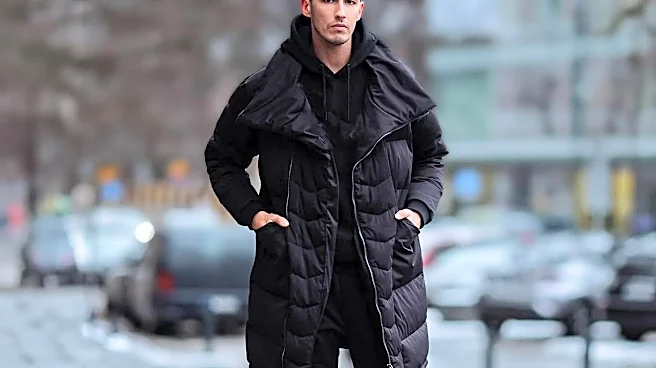
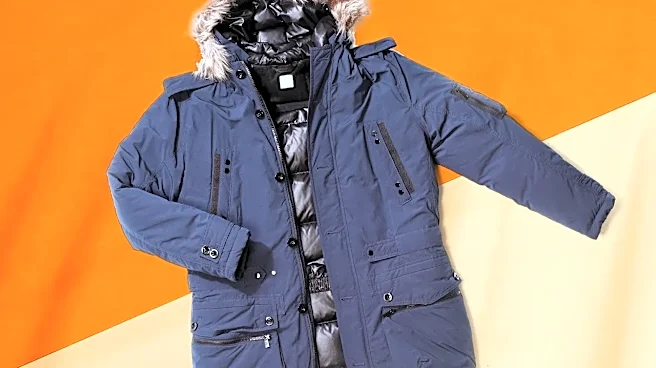
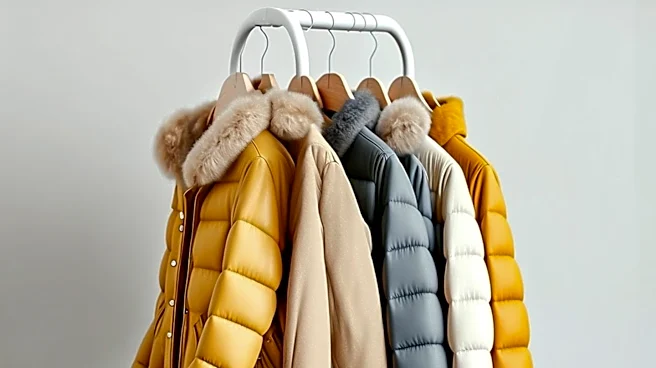
Not all coats are created equal, and the zipped-up test reveals their true character. A puffer jacket, for instance, adds volume by its very nature. When zipped, it creates a sporty, often rounded shape. To balance this, it’s best paired with slimmer bottoms to avoid a uniformly bulky silhouette. A tailored wool coat, on the other hand, is about structure. When you button it, it should follow your form without pulling at the chest or waist. It’s designed to be the elegant outer shell for a polished outfit, and zipping it reveals whether it has enough room for the layers you’ll actually wear to the office. A two-way zipper, often found on parkas and technical jackets, offers extra flexibility, allowing you to unzip from the bottom for more comfortable sitting or to create a different A-line shape.