



The Age of Authentic Discovery
Street style, as a concept, began with a simple, journalistic purpose: to document what real people were wearing. Its most famous pioneer, Bill Cunningham of The New York Times, was a cultural anthropologist armed with a bicycle and a camera. From the
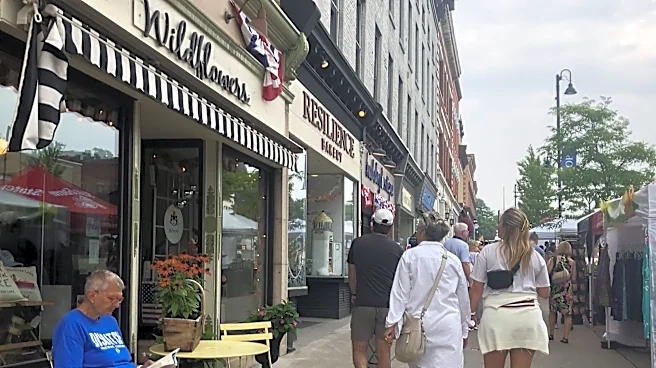
1970s until his death in 2016, Cunningham captured fashion as a form of personal expression on the streets of New York. He wasn't interested in celebrities or borrowed dresses; he was searching for genuine style, the kind that came from an individual's unique way of putting things together. This was about capturing an unguarded moment of creativity—a perfectly knotted scarf, an unexpected color combination, or the elegant cut of a coat on a passerby. The focus was on discovery, not performance.
The Digital Runway Takes Over
The dynamic began to shift with the rise of digital photography and fashion blogs in the 2000s. Photographers like Scott Schuman of The Sartorialist created online platforms that celebrated the style of everyday people, turning the sidewalk into a runway for a global audience. Schuman's goal was to show how real people interpreted fashion, creating a two-way dialogue between the runway and the street. However, this new visibility changed the game. Suddenly, being photographed wasn't just a happy accident; it was an opportunity. The focus moved from photographers discovering subjects to subjects hoping to be discovered, blurring the line between observer and participant.
Dressing for the Job: The Rise of 'Peacocking'
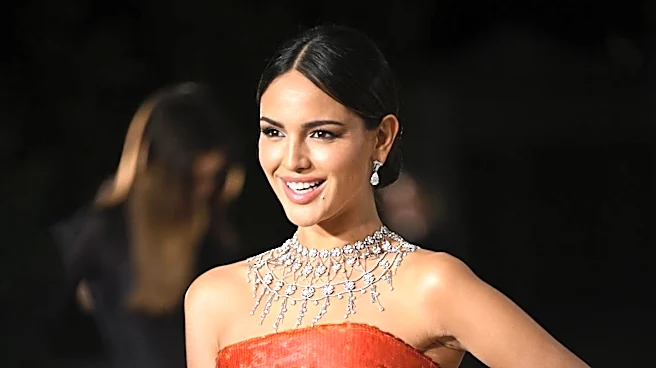
Today, the scene outside major fashion shows is a world away from Cunningham's candid street corners. It has become a highly commercialized environment where getting photographed is a professional goal. This phenomenon is often called "peacocking": wearing ostentatious or eye-catching outfits specifically to attract attention, much like a peacock fanning its feathers. For influencers and industry insiders, street style is now part of the job. Outfits are often planned weeks in advance, with many looks gifted or loaned by brands seeking exposure. Some attendees even change clothes multiple times a day between shows, purely for the benefit of the throng of photographers waiting outside. This isn't personal style in the traditional sense; it's a carefully branded performance, an advertisement walking down the street.
Authenticity vs. Performance: How to Spot the Difference
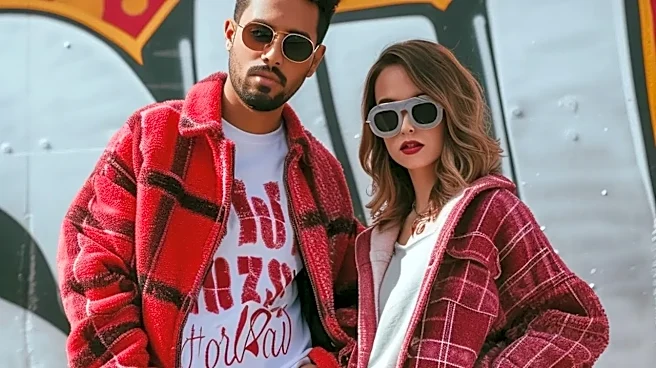
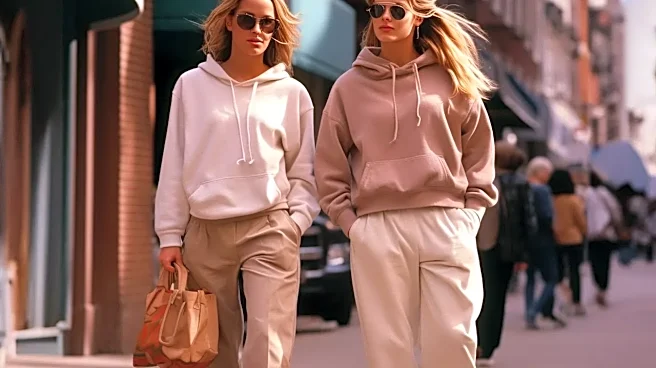
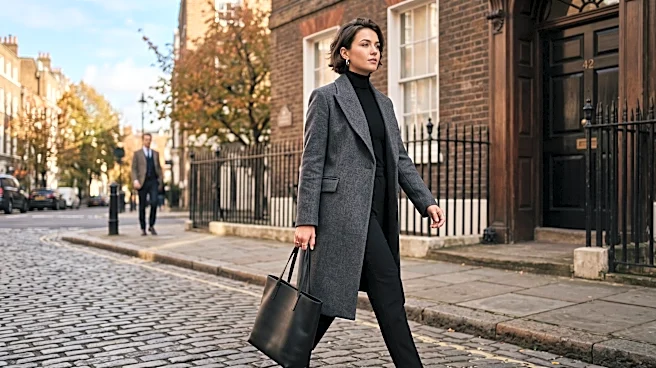
So, how can you tell the difference? Authentic street style often lies in the details that signal personal history and creativity. It might be the artful layering of high and low fashion, the incorporation of vintage pieces, or a confident nonchalance that feels earned, not practiced. It's style that serves the person's life. In contrast, clothes designed for the cameras often look like a complete, head-to-toe runway look from the current season. The outfit is typically built around a single statement piece—an "it" bag, a viral shoe, or a coat with dramatic proportions. The posture is often a pose, angled perfectly for a photo. While visually striking, these looks are constructed for an image, existing more for the digital world than the real one. It’s the difference between wearing your clothes and letting the clothes wear you.