




An Anatomy of Obsession
Before “La La Land” danced its way to Oscar glory, Damien Chazelle exploded onto the scene with “Whiplash,” a film that feels less like a drama and more like a psychological thriller set to a jazz soundtrack. The story is a brutal duel between Andrew
Neiman (Miles Teller), a gifted young drummer desperate for greatness, and Terence Fletcher (J.K. Simmons), a conservatory instructor whose teaching methods are a blend of monstrous abuse and exacting mentorship. The central question of the film is as sharp as a cymbal crash: what is the cost of greatness? Andrew sacrifices everything—relationships, health, and his own well-being—in his bloody-knuckled pursuit of Fletcher’s approval, an approval that always seems just out of reach.
The Final Showdown
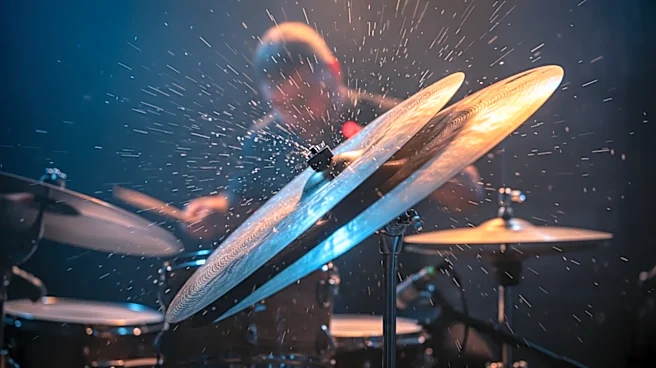
The film’s climax is one of the most electrifying sequences in modern cinema. After being publicly humiliated and tricked by Fletcher into playing a song he doesn't know at a prestigious festival, Andrew walks off stage, defeated. He shares a brief, comforting hug with his father (Paul Reiser), the man who represents a safe, normal, ambition-free life. But in that moment, something snaps. Andrew walks back onto the stage, cuts Fletcher off, and begins to play “Caravan” on his own terms. He hijacks the performance, launching into a furious, transcendent drum solo that is both an act of rebellion and a desperate plea for validation. The camera work is dizzying, the editing is razor-sharp, and the tension is almost unbearable. Fletcher, initially enraged, slowly sees the monster he’s created—and begins to admire it.
The Frame You Never Saw
In the chaotic fury of Andrew’s solo, Chazelle and editor Tom Cross employ a barrage of rapid-fire cuts: flashes of drumsticks, beads of sweat, and the intense, locked eyes of student and teacher. But tucked inside this sequence is a single, almost subliminal shot that most viewers miss on a first watch. For just a handful of frames, we cut away from the stage to find Andrew’s father, Jim, peeking through a doorway backstage. He isn’t just watching; he’s staring with a complex expression of awe, horror, and dawning understanding. He’s seeing his son not as a victim, but as a willing participant in a world of violent, self-destructive ambition he never understood. In that flicker of a moment, the man who represented safety is confronted with the terrifying allure of greatness.
Why It Changes Everything
This fleeting image is the secret heart of the film’s ambiguous ending. The triumphant final note of the performance, with Andrew and Fletcher sharing a smile of mutual, toxic respect, can be read as a victory. Andrew has won. He has become one of the greats. But the hidden shot of his father complicates everything. His dad’s horrified pride suggests that Andrew hasn’t just won Fletcher’s approval; he has lost a part of himself, leaving the world of normal human connection behind for good. Chazelle himself has offered a dark interpretation of Andrew's future, suggesting this pursuit of perfection leaves him an empty shell who dies young. The triumphant ending is from Andrew's perspective, but the hidden frame gives us the audience’s—and the father's—view: the victory is also a tragedy. It ensures the film’s ending is not a simple resolution but a haunting question that lingers long after the credits roll.