
An Unprecedented American Stage
First, let's get the scale right. The 2026 FIFA World Cup, co-hosted by the U.S., Canada, and Mexico, won't be just another major sporting event. It will be the single biggest one in modern history. For
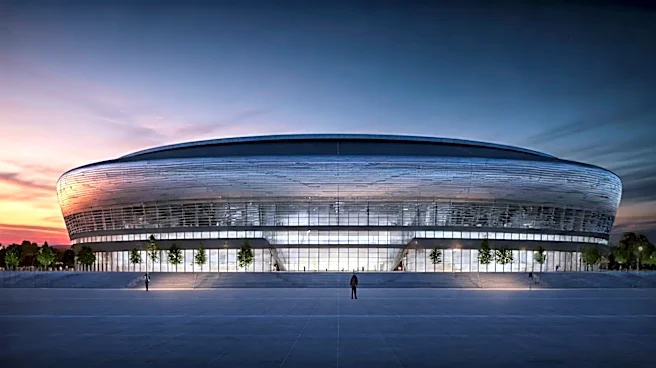
the first time, the tournament is expanding from 32 to 48 teams, meaning more games, more fans, and more eyeballs. A staggering 78 of the 104 matches will be played on U.S. soil, turning 11 American cities—from New York to Los Angeles—into global epicenters for a month. This isn’t like hosting a Super Bowl, which is a one-day, one-city affair. This is a sustained, nationwide festival of the world's most popular sport, offering brands a month-long window to engage a massive, diverse, and passionate audience.
A Market Finally Ready for Kickoff
For decades, soccer was the sport of the future in America. Well, the future is here. Unlike when the U.S. last hosted in 1994, soccer is now firmly embedded in the American cultural landscape. Major League Soccer (MLS) has grown from a fledgling experiment into a stable league with 29 teams and dedicated fanbases. Viewership for the English Premier League and Mexico’s Liga MX is booming. Most importantly, the demographics have shifted. Soccer is disproportionately popular among young, diverse, and digitally native audiences—the very consumers brands are desperately trying to reach. The 2022 World Cup final drew more American viewers than the average World Series game. The market isn't just warming up to soccer; it's already at a rolling boil.
The Messi Effect and Star Power
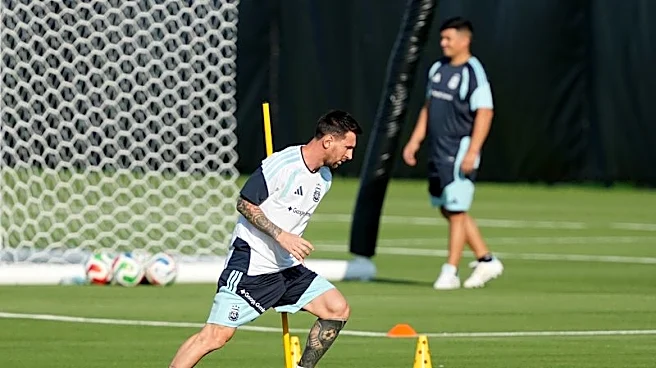
If you need a case study for soccer’s explosive potential, look no further than Lionel Messi’s arrival at Inter Miami in 2023. One player—albeit the greatest of all time—dramatically shifted the commercial gravity of an entire league overnight. Ticket prices skyrocketed, jersey sales exploded, and Apple’s MLS Season Pass subscriptions reportedly doubled. Messi proved that a single, transcendent star could create a mainstream cultural moment in the U.S. The 2026 World Cup will be this phenomenon on steroids. While Messi might be in his final act, the tournament will introduce American audiences to a new generation of global superstars like Kylian Mbappé and Erling Haaland, creating countless opportunities for brand endorsements and storytelling.
The Billion-Dollar Playbook
The "gold rush" for brands goes far beyond slapping a logo on a stadium banner. The opportunities are multi-layered. Official FIFA partnerships, while astronomically expensive, offer global reach. But the real action for many American brands will be at the national and local levels. Think beverage companies hosting massive fan zones in host cities, automotive brands sponsoring youth clinics, and tech companies integrating live scores into their apps. There's also the media play. Broadcasters like Fox and Telemundo will command huge ad revenues, but streaming and social media will create a parallel universe of content—highlights, player interviews, fan reactions—all of which is ripe for sponsorship. It’s a full-funnel marketing dream, from building brand awareness to driving sales of limited-edition, soccer-themed products.
Winning the 'Authenticity' Game
Here's the catch: soccer fans have a finely tuned radar for inauthenticity. The brands that succeed won't be the ones that suddenly discover soccer in May 2026. They will be the ones that invest now, embedding themselves in the culture, supporting local leagues, and speaking the language of the fans. Simply painting a soccer ball pattern on a can of soda won't cut it. The real winners will be those who understand the passion, the rivalries, and the community that make soccer what it is. They will treat fans not as consumers to be sold to, but as participants in a shared cultural experience. This requires a long-term strategy, not a short-term cash grab. The gold is real, but it has to be mined with respect.