




1. The Olympic Pioneers (1924 & 1928)
Before the World Cup even existed, the Olympic Games were the pinnacle of international soccer. In 1924, a team of amateurs from Uruguay—butchers, ice vendors, factory workers—crossed the Atlantic to Paris. The Europeans were dismissive, viewing them
as provincial outsiders. Then the games began. Uruguay dismantled opponent after opponent with a mesmerizing style of short-passing, fluid soccer that was years ahead of its time. They crushed Switzerland in the final to win gold. To prove it was no fluke, they returned in 1928 and won again, this time defeating archrival Argentina in the final. These victories weren't just about a trophy; they were about announcing Uruguay's existence to the world. They put a small South American nation on the map, establishing a reputation for brilliant, revolutionary soccer.
2. The First World Champions (1930)
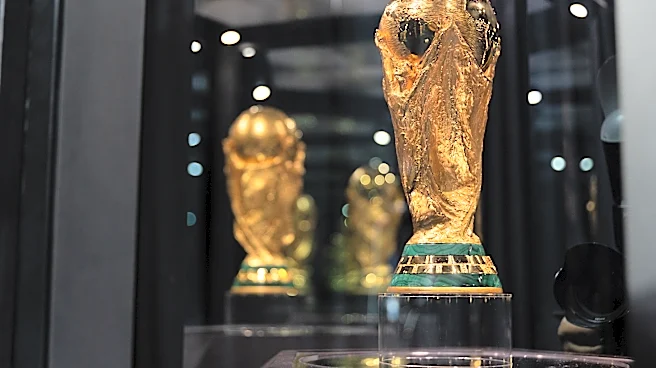
Having proven themselves the best team on the planet twice, Uruguay was the natural choice to host the first-ever FIFA World Cup in 1930. The tournament was a celebration of the nation’s centenary of independence, and the grand Estadio Centenario was built in Montevideo for the occasion. Despite a boycott from several European nations unwilling to make the long sea journey, the tournament was a success. Led by their colossal captain, José Nasazzi, Uruguay powered their way to the final, where they once again faced Argentina. In a tense and dramatic final, they came back from a 2-1 halftime deficit to win 4-2, becoming the first country to ever lift the World Cup trophy. This victory solidified their status as the sport's first dynasty and created the foundational myth: Uruguay *is* soccer.
3. The Maracanazo Miracle (1950)
This is the single most important event in Uruguayan history. By 1950, Brazil was the new power, hosting the World Cup and needing only a draw in the final match against Uruguay to secure the title in front of nearly 200,000 fans at their brand-new Maracanã stadium. The victory was considered a foregone conclusion. But Uruguay had other plans. After going down 1-0, their captain, the indomitable Obdulio Varela, reportedly told his team, "The outsiders don't play." He meant the crowd. Uruguay equalized and then, with 11 minutes to go, Alcides Ghiggia scored the winning goal, plunging the stadium into an eerie, funereal silence. The upset, known as the *Maracanazo*, became a national trauma for Brazil but a symbol of ultimate defiance for Uruguay. It defined a key part of their identity: *garra charrúa*, or Charrúa Claw—a gritty, fierce, never-say-die spirit that can overcome impossible odds.
4. The Long, Gritty Years (1960s–1990s)
After the highs of 1950, Uruguay entered a long period where results didn't match their historical status. The flowing, artful play of the early days was often replaced by a more cynical, physical, and sometimes brutal interpretation of *garra charrúa*. While they always produced world-class players and remained a tough opponent, they became known more for tactical fouling and intimidation than for trophies. This era, however, is just as crucial to understanding their pride. It's the pride of the survivor. It’s the defiant snarl of a team that refuses to be an easy out, even when the golden touch has faded. They might not win, but the opponent would know they had been in a fight. This gritty persistence, an unwillingness to ever surrender their hard-won relevance, became its own source of honor.
5. The Modern Renaissance (2004–2021)
The appointment of legendary coach Óscar Tabárez, known as *El Maestro*, ushered in a new era. Tabárez launched the "Proceso," a long-term project to rebuild Uruguayan soccer from the youth levels up. His goal was to combine the nation's historic grit with modern technical skill and professionalism. The results were spectacular. A golden generation of talent, led by the formidable attacking trio of Diego Forlán, Edinson Cavani, and Luis Suárez, re-established Uruguay as a global force. They reached the semifinals of the 2010 World Cup—their best finish in 40 years—and won the 2011 Copa América. This era proved that Uruguay could compete and win in the modern game without losing its essential spirit. It was a glorious return to the top table, validating the nation's undying belief in its unique place in the world of soccer.