




The Creator's Blueprint
To understand Camp Flog Gnaw, you have to understand its founder: Tyler, the Creator. The festival is less a corporate venture and more a direct extension of his artistic ethos. Since his early days with Odd Future, Tyler has built a career on defying
expectations, evolving from abrasive horrorcore rap to lush, jazz-and-soul-inflected albums. He doesn't chase trends; he builds worlds and invites listeners in. This philosophy is baked into the festival's DNA. The lineup is not algorithmically generated to maximize ticket sales but is a curated reflection of Tyler's own eclectic tastes, spanning rap, R&B, rock, pop, and experimental sounds. He's essentially asking attendees to trust his judgment, creating an environment that values artistry over pure commercial appeal. This top-down approach sets a standard where creative risks are not only allowed but expected.
An Audience That Does Its Homework
The single biggest reason artists feel comfortable straying from their Spotify top five is the audience. The fans who flock to Dodger Stadium for Camp Flog Gnaw are, for the most part, not casual listeners. They are 'in on it'. They are fans of Tyler and, by extension, trust his curation. This results in a crowd that is uniquely engaged and knowledgeable. They're more likely to recognize and celebrate a B-side or an album-only track than a general festival audience might be. Performers like Childish Gambino and Kali Uchis have been noted for packing their sets with a mix of massive hits and beloved deep cuts, knowing the crowd will be with them for the entire journey. This creates a powerful feedback loop: artists feel the freedom to be more adventurous, and the audience rewards them for it, making for a more memorable and unique performance.
The Anti-Festival Vibe
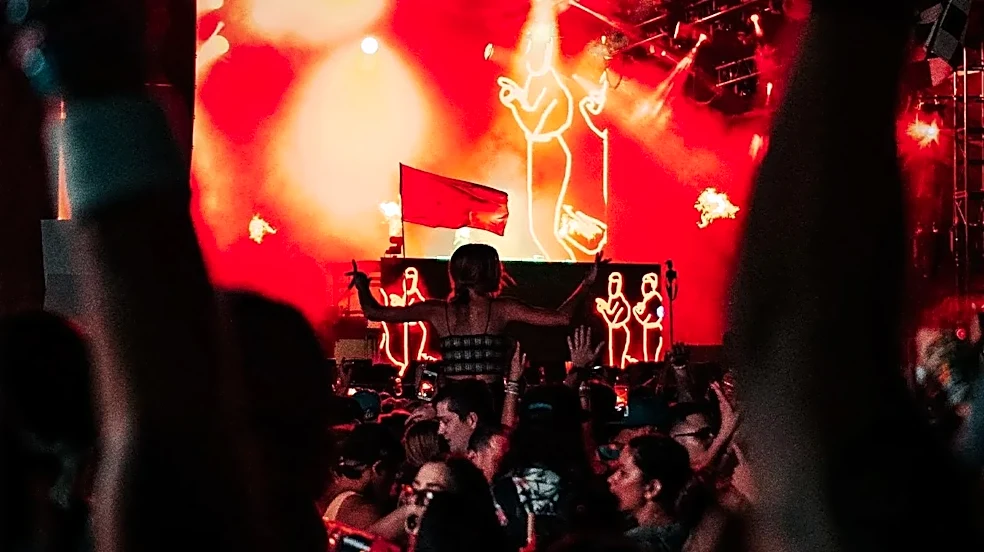
In an era where major music festivals can sometimes feel interchangeable, Camp Flog Gnaw cultivates a distinct identity. It started in a parking lot and has grown massively, but it has worked to retain its initial spirit of a community gathering. Attendees frequently describe the atmosphere as friendly, positive, and less chaotic than its larger counterparts. This 'anti-festival' vibe affects the performers, too. In a space that feels less like a high-pressure commercial stage and more like a massive block party for true believers, artists can relax. They're not just fulfilling a contractual obligation; they're participating in an event curated by a fellow artist. This can lead to more candid banter, more spontaneous moments, and a willingness to share songs that might be more personal or less radio-friendly, knowing the context supports it.
When The Bet Doesn't Pay Off
However, this dynamic has a fascinating flip side. The Flog Gnaw audience's specific expectations can sometimes backfire. The most infamous example was in 2019, when fans, hyped by rumors of a Frank Ocean performance, were met with surprise headliner Drake. Despite being one of the world's biggest artists and even performing a Tyler-requested deep cut, the crowd's disappointment was palpable, leading to booing and Drake cutting his set short. While widely criticized as ungrateful, the incident highlights the double-edged sword of a highly curated, fan-centric environment. The audience doesn't just want a big star; they want the right star, one that fits the festival's perceived identity. It’s a testament, albeit a chaotic one, to just how deeply the attendees feel a sense of ownership over the festival's specific culture.