



The Physicality Fallacy
When we talk about Oscar-worthy acting, the conversation often defaults to visible effort. We praise dramatic weight transformations, immersive method acting, and the subtle flicker of emotion in an actor’s eyes. These are valid metrics for on-screen
performance, but they create a bias against an equally demanding art form: voice acting. The craft of a voice actor is invisible by design. They must convey the entirety of a character’s physical and emotional world using only their voice. While a live-action actor has a set, costume, and scene partners to react to, a voice actor often works alone in a sound booth, building a reality from scratch. The immense skill required to generate that world—its joy, its sorrow, its physicality—through pitch, tone, and rhythm is consistently overlooked because it can’t be seen.
Building a World with Words
A great voice performance isn’t just about having a pleasant or interesting voice; it's about pure creation. Voice actors are tasked with developing vocally distinct characters, often playing multiple roles within the same project. They must generate crystal-clear emotional transitions without the aid of a raised eyebrow or a clenched fist. Think of Robin Williams as the Genie in "Aladdin" or Ellen DeGeneres as Dory in "Finding Nemo." Their performances are not just iconic; they are the very soul of those characters. The energy and comedic timing they delivered didn't just supplement the animation; they drove it. Yet, despite being eligible, no voice-only performance has ever been nominated for an acting Oscar in the Academy's history.
Beyond 'Just a Voice'
The debate around performance-capture roles, like Andy Serkis's groundbreaking work as Gollum, highlights the industry's struggle with non-traditional acting. Serkis has repeatedly stated that his process for a performance-capture role is identical to a live-action one, arguing the technology is just "digital make-up." This is the crux of the issue for voice actors, too. Their work is often dismissed as just lending a voice, rather than fully embodying a character. This misunderstanding is compounded when A-list celebrities are cast in animated roles for their star power, sometimes implying the skills are interchangeable and sidelining career voice actors who have honed their specific craft for years.
What a Better Vocabulary Sounds Like
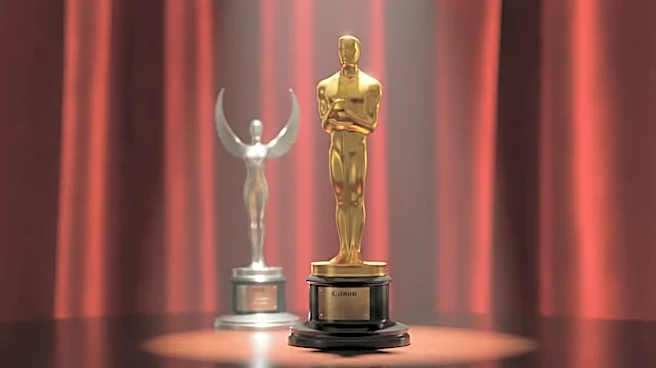
So, how do we fix it? Creating a separate Oscar category for voice acting is a common suggestion, which would mirror what the Annie Awards have done for years. While that would provide recognition, a deeper cultural shift is also needed. We must develop and use a more specific vocabulary to discuss these performances. Instead of just saying a voice was "good," we should talk about its specific qualities. Was the performance vocally transformative? Did the actor create a believable character arc through inflection and pacing alone? Did they display exceptional vocal control, power, or emotional clarity? Critics, audiences, and awards voters need to start appreciating the unique technical and artistic demands of the craft, from microphone technique to the ability to convey subtext without visual cues.