




The Unwritten Rule of TV Time
For most of television history, the line was clear: comedies were a half-hour, and dramas were an hour. This wasn't just a creative choice; it was the fundamental architecture of broadcast schedules. You had your 8 PM sitcom, followed by another at 8:30,
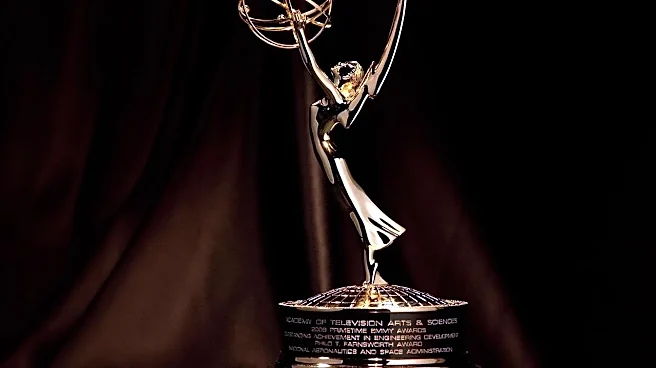
leading into a 9 PM drama. The Emmy Awards naturally mirrored this structure. Thirty-minute shows went into the comedy box, and sixty-minute shows went into the drama box. It was simple and, for a long time, it worked. Shows like 'Cheers,' 'Seinfeld,' and 'Friends' defined the 30-minute format, building jokes, characters, and stories within a tight, commercially-friendly runtime. Any deviation was rare. An hour-long show competing as a comedy was seen as an oddity or an attempt to game the system.
When the Lines Began to Blur
The streaming revolution and the rise of premium cable didn't just change how we watch TV; they changed what TV could be. Freed from the rigid constraints of broadcast schedules, creators started making shows that didn't fit neatly into the old boxes. Enter the "dramedy." Shows like 'Orange Is the New Black' and 'Shameless' ran for an hour but were submitted as comedies, sparking years of debate. While they had funny moments, their core subject matter was often intensely dramatic. Then came shows like 'The Bear,' a half-hour series that gives viewers more anxiety than most thrillers, yet has dominated the comedy categories. These series proved that tone and intent were more important than runtime. Was a show's primary purpose to make you laugh, even if it also made you cry or think? If so, producers argued, it belonged in comedy.
The Academy Makes It Official
The Television Academy eventually had to catch up to the creative reality. After years of case-by-case petitions, the rules officially changed. A key turning point came ahead of the 74th Emmys, when the Academy announced that episode length would no longer dictate submission categories. Instead, producers could determine where their show best fit, with an Academy panel reserving the right to review the choice. The official rule now defines a comedy or drama series by its primary content, not its length. A series must have a minimum of six episodes, and for a show to be a comedy, the majority of the running time of at least six of those episodes must be "primarily comedic." This codifies the shift from a stopwatch-based definition to an intent-based one, formally opening the floodgates for hour-long shows like 'Hacks' or tonally complex half-hours to compete side-by-side.
Why It Matters for TV in 2026
This shift has fundamentally altered the Emmy landscape. The Outstanding Comedy Series category is no longer just for sitcoms; it's arguably for the most innovative shows on television, period. It’s where you find genre-bending storytelling and complex characters that might have once been lost in the more crowded and traditionally defined drama field. This creates fascinating and almost absurd matchups. In 2026, a network sitcom like 'Abbott Elementary' can find itself competing against a dark, cinematic series like 'The Bear' or a sprawling, hour-long character study. For creators, it offers freedom. They can let the story dictate the runtime, rather than the other way around. But it also fuels the endless awards-season debate over "category fraud." Are some dramas simply ducking the tougher drama competition by slumming it in comedy? Or is the very definition of a television comedy now permanently broader, richer, and, frankly, a lot less funny in the traditional sense? The answer, as the 2026 nominations show, is a little bit of both.